Commodities play a pivotal role in global economics, acting as integral raw materials and influencing trade dynamics. They range from agricultural products like wheat to metals such as gold. Their trading impacts various industries worldwide, driven by supply, demand, and economic policies. Understanding commodities is crucial for investors and businesses alike.
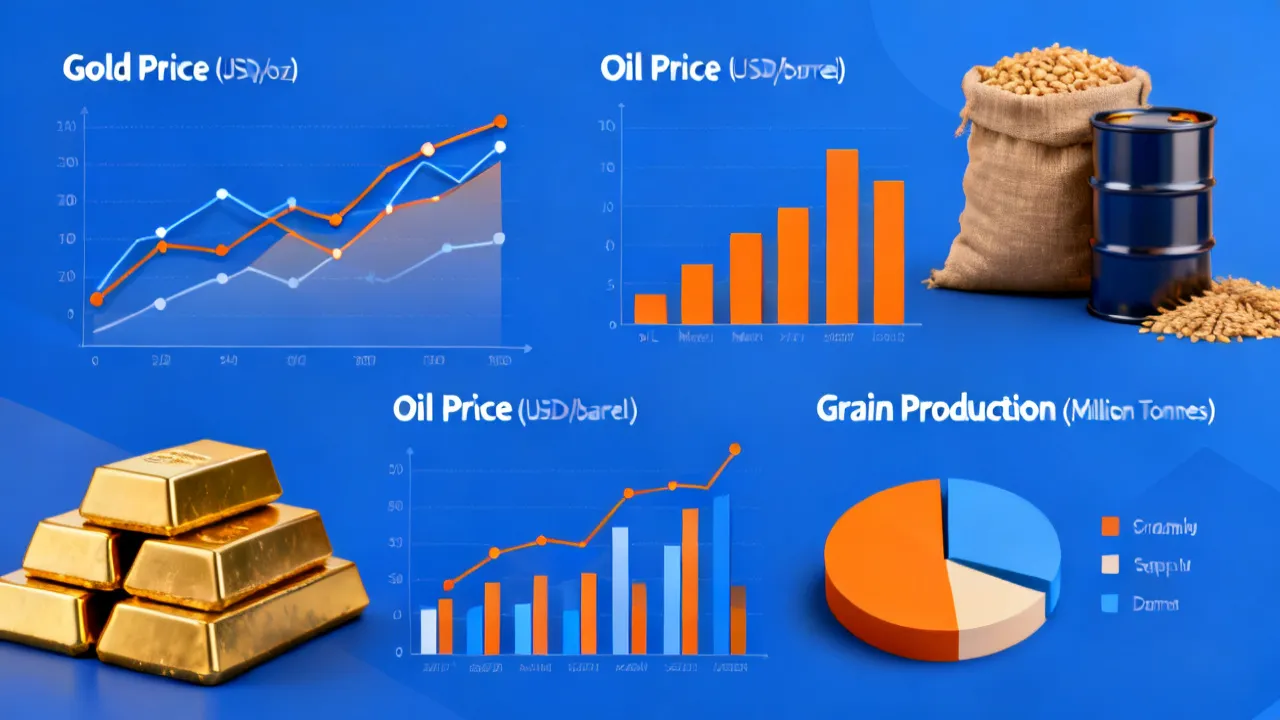
Commodities are foundational elements of the global economy, serving as essential inputs across numerous industries. These include agricultural goods, metals, and energy products that fuel manufacturing, construction, and technological advancements. Commodity markets are where these goods get traded, with prices heavily influenced by global supply and demand dynamics, geopolitical events, and macroeconomic policies. Additionally, commodities are crucial for everyday consumers, as their prices directly impact food costs, fuel prices, and the overall cost of living. Thus, understanding commodities goes beyond just the trading floor; it reflects broader economic realities.
Trading commodities offers significant profit potential but comes with inherent risks. Commodity prices are notoriously volatile, responding sensitively to environmental factors, political instability, and market speculation. For instance, a drought in a major agricultural region can lead to a sharp increase in food commodity prices. Investors engage in commodity trading for diversification, hedging against inflation, and capitalizing on price trends. Various financial instruments, like futures, options, and exchange-traded funds (ETFs), provide pathways into this market. Futures contracts, for instance, allow investors to lock in prices for future delivery, providing a hedge against price fluctuations.
Commodities are typically categorized into three main sectors:
Commodity prices are governed by a myriad of factors. Supply disruptions, technological advancements, weather patterns, and shifts in consumer demand play significant roles. For example, advancements in extraction technology can lead to increased supply, which may drive down prices. Geopolitical tensions can disrupt supply chains, influencing market stability and prices. Additionally, economic data releases and monetary policies from major economies can affect currency values, subsequently impacting commodity prices. Interest rates, for instance, can influence investor appetite toward commodities versus other assets, and a stronger dollar typically makes commodities more expensive for holders of other currencies, affecting global demand.
The global commodity supply chain involves a range of players, from miners and farmers to multinational trading companies and financial institutions. Major suppliers include countries with abundant natural resources like Saudi Arabia for oil, Brazil for coffee, and Australia for iron ore. These suppliers engage in international trade to balance global demand, with commodity exchanges such as NYMEX and LME facilitating transactions. The interconnectedness of global markets means that issues such as trade tariffs or sanctions can have far-reaching effects on commodity prices and availability. For example, sanctions on a major oil-producing nation can lead to supply shortages and price surges across the globe, underscoring the importance of geopolitics in commodity trading.
Investors adopt various strategies when venturing into the commodity markets. Diversification is key, spreading investments across different commodities to mitigate risk. Some investors utilize fundamental analysis, focusing on supply-demand forecasts and economic indicators. Others prefer technical analysis, using historical price patterns and charts to predict future movements. A robust risk management plan is crucial, considering the high volatility and leverage involved in many commodity trades. Some investors also engage in options trading, which allows them to speculate on future price movements while managing risk. Moreover, seasonal trends can offer insights; for instance, agricultural commodity prices may rise ahead of harvest seasons due to anticipated supply constraints.
| Platform | Features |
|---|---|
| NYMEX | Offers trading in energy, metals, and agricultural commodities with a high liquidity environment. NYMEX is known for its crude oil and natural gas futures, which are benchmarks for the entire energy market. |
| LME | Specializes in non-ferrous metals trading, providing futures and options contracts. The LME's unique pricing system allows for transparent and efficient trading for industrial metals like aluminum and copper. |
| ICE | Facilitates trading in energy futures, clear and transparent pricing models. ICE offers a broad range of commodity products, including agricultural and energy contracts, catering to diverse investor needs. |
Entering commodity markets comes with challenges including regulatory complexities, market manipulation vulnerabilities, and liquidity risks. Traders must navigate various regulations governing trading practices, which can differ significantly by region and commodity. Furthermore, the impact of environmental regulations and sustainability concerns is increasing, influencing supply patterns. For example, growing emphasis on sustainable farming can significantly alter agricultural commodity supplies, while regulations targeting greenhouse gas emissions can shift energy commodity dynamics. Additionally, the inherent volatility of commodities means that price swings can lead to substantial financial losses if positions are not carefully managed.
Technology is playing an increasingly vital role in commodity trading, reshaping how traders analyze markets, execute trades, and manage risks. Advanced algorithms and data analytics help investors process vast amounts of information, predicting price movements with greater accuracy. Electronic trading platforms have revolutionized the way commodities are bought and sold, offering speed and efficiency that traditional trading methods could not match. Moreover, technological advancements facilitate the development of trading strategies based on machine learning and artificial intelligence, allowing traders to test strategies on historical data before deploying them in real markets.
Commodities do not operate in a vacuum; they are closely tied to global economic indicators. Metrics such as GDP growth rates, unemployment figures, and inflation levels can provide insight into the health of economies, influencing commodity demand and prices. For example, strong GDP growth in emerging markets often leads to increased demand for metals and energy as industrial production ramps up. Conversely, during periods of economic contraction, demand for many commodities may dwindle, causing prices to fall. Investors closely monitor these indicators to make informed decisions, typically using economic calendars that highlight important data releases.
Trade agreements play a crucial role in shaping commodity markets by affecting the flow of goods across borders. Trade policies, tariffs, and regulations imposed by countries can alter supply and demand balances, thereby impacting prices. For instance, a free trade agreement may lead to increased imports of certain agricultural products, putting downward pressure on domestic prices. Furthermore, geopolitical tensions that result in trade barriers can create supply shortages, driving prices higher. Investors and traders must remain informed about ongoing trade negotiations and outcomes, as these developments can create both opportunities and risks in the commodity markets.
The growing focus on sustainability is reshaping the commodity landscape. There is an increasing awareness of the environmental impact of commodity production, leading to shifts in consumer preferences and regulatory actions. Commodities that are produced sustainably are becoming more attractive to investors and consumers alike. This trend is evident in sectors like coffee, where consumers are increasingly seeking out ethically sourced beans. Additionally, energy commodities are also feeling the pressure to transition towards clean energy sources, with a rising demand for renewable energy commodities like lithium, used in batteries for electric vehicles. By adopting sustainable practices, commodity producers can enhance their marketability and appeal in an environmentally conscious economy.
Striking the Perfect Balance: Navigating Premiums and Out-of-Pocket Expenses in Senior Insurance Plans

Explore the Tranquil Bliss of Idyllic Rural Retreats

How to Make Lasting Memories at Disneyland Attractions

Affordable Phones and Plans for Seniors

Affordable Full Mouth Dental Implants Near You

Unlock the Top Kept Secrets to Finding Your Ideal Dentist for Flawless Dental Implant Results!

Discovering Springdale Estates

Unveiling RS Sul Telecom Services

The Guide to Car Trading


Understanding Compliance and AML Strategies
This article delves into the intricate realm of Compliance and Anti-Money Laundering (AML) strategies, highlighting their significance in the corporate world. Compliance AML refers to the organizational adherence to legal standards and regulations to deter financial crimes, ensuring transparent and ethical financial practices. This comprehensive guide examines these strategies' complexities and their pivotal role in safeguarding economic integrity.

Mastering Inbound B2B Strategies
The foundation of successful B2B strategies often lies in the effective implementation of inbound marketing techniques. In today's globally connected business environment, inbound B2B strategies have become critical for companies seeking to engage target audiences, optimize lead generation, and establish long-lasting partnerships. Understanding these strategies is essential for companies aiming to thrive in competitive markets.

Exploring B2B MBA Opportunities
Dive into the dynamic world of B2B MBA programs, designed for professionals seeking to enhance their strategic and management skills in a business-to-business context. This comprehensive guide discusses the significance of B2B MBAs in today's market, highlighting how these programs equip leaders with the expertise to navigate complex B2B relationships and drive business success.

Understanding Whitewater Regenerative Blowers
Whitewater Regenerative Blowers are essential in various industrial applications for their efficiency in moving air and gases. These blowers are known for their durability and ability to operate continuously, making them a preferred choice for industries ranging from wastewater treatment to aquaculture. This article explores their features, benefits, and applications, offering readers a comprehensive understanding of their importance in modern industry.

Mastering Employee Retention Strategies
Employee retention has become a critical aspect of organizational success, particularly in the dynamic landscape of 2020. As businesses strive to maintain a stable and productive workforce, understanding effective retention strategies is essential. This article delves into key methods for enhancing employee satisfaction and retention, offering a comprehensive guide for HR professionals and business leaders alike.

Discover the Allure of Splendys
Splendys stands as a beacon of innovation and style within the consumer goods sector. Known for their commitment to quality and style, Splendys products range from luxury apparel to sophisticated home decor with a modern twist. Their unique offerings cater to discerning customers seeking both function and aesthetics, positioning Splendys at the forefront of contemporary design excellence.
