This article delves into the pivotal research by Heuvel & Bondarouk published in 2016. Focusing on HRM and its integration with emerging technologies, it provides a framework for understanding contemporary HR practices. This study is often referenced in discussions about the evolution of HR tech and its implications for both organizations and employees.

Human Resource Management (HRM) has undergone significant transformations with the advent of technology. Heuvel & Bondarouk's 2016 research provides invaluable insights into how technological advancements have reshaped HRM practices, integrating new tools to enhance efficiency and employee engagement. This article explores their findings, emphasizing the critical role of technology in modern HR departments. The intersection of HRM and technology is no longer a choice but a necessity, demanding attention from HR practitioners and stakeholders alike. As markets evolve, organizations must harness the power of technology not only to compete but to thrive within the shifting landscapes of their industries.
The study by Heuvel & Bondarouk investigates the intersection of HRM and technology, focusing on e-HRM (electronic HRM). It highlights the importance of aligning HR strategies with technological applications to streamline processes, reduce administrative burdens, and enhance decision-making capabilities. Their research advocates for a strategic approach in leveraging technology to foster organizational growth and employee satisfaction. Furthermore, Heuvel and Bondarouk's findings indicate that the role of HR is evolving from a transactional to a transformational focus, necessitating an understanding of both human dynamics and technological frameworks. This evolution calls for HR leaders to be well-versed in current technologies, ensuring they can advocate for and adapt to the rapidly changing environment within which they operate.
According to Heuvel & Bondarouk, the integration of technology in HRM isn't just about automating existing processes but about transforming the HR function to better meet organizational objectives. Technology can facilitate more accurate data analysis, improve communication within organizations, and offer real-time access to important HR metrics. This technological shift creates opportunities for HR professionals to adopt a more strategic role within their organizations. For instance, advanced software solutions can automate payroll processing, leaving HR professionals more time to focus on strategic initiatives such as workforce planning and culture building.
Moreover, technology empowers HRM through sophisticated recruitment platforms that utilize artificial intelligence and machine learning. These tools assist in identifying the best candidates through data-driven hiring systems, significantly reducing time-to-hire and improving fit. Beyond recruitment, ongoing employee engagement can be enhanced through digital platforms that allow for instant feedback and recognition, reinforcing a positive work culture.
Despite the benefits, integrating e-HRM systems poses several challenges. Heuvel & Bondarouk emphasize issues such as resistance to change, the need for training and development, and ensuring data security and privacy. Organizations must address these challenges to successfully implement and benefit from e-HRM systems. One major challenge includes the cultural shift required to embrace technology. Often, employees can feel threatened by automation and may resist new systems, fearing job loss or the inability to adapt to new technologies.
Additionally, comprehensive training is necessary to ensure that all employees are adept in using new tools effectively. This entails not only initial training sessions but also ongoing support and resources. Data security also looms large, with organizations needing to prioritize protecting sensitive employee information from cyber threats. Creating a robust data governance framework is essential to maintain confidentiality and compliance with regulations like GDPR.
One of the practical applications of the study is how organizations can use technology for more effective talent management. By leveraging data-driven insights, companies can identify skills gaps, tailor training programs, and make informed recruitment decisions. Moreover, performance management systems powered by technology can provide continuous feedback, fostering a culture of growth and improvement. Performance metrics can be tracked in real-time, allowing for a nuanced understanding of employee contributions and helping managers to recognize and reward high performers swiftly.
Additionally, technology enables organizations to implement robust onboarding processes that enhance new hires’ experiences while providing them with essential knowledge and skills. Using digital platforms for onboarding not only streamlines administrative tasks but also creates a more engaging and interactive experience for new employees, helping them acclimate to the company culture more effectively. Companies can also take advantage of social media and collaborative tools to enhance connectivity among employees, promoting a sense of community and teamwork regardless of physical location.
| Aspect | Traditional HR | Technology-enabled HR |
|---|---|---|
| Process Efficiency | Manual and time-consuming | Automated and streamlined |
| Data Handling | Paper-based, prone to error | Digital, real-time analytics |
| Employee Engagement | Limited feedback methods | Dynamic and interactive platforms |
| Accessibility of Information | Restricted access, often location-based | Cloud-based access, remote capabilities |
| Customization | One-size-fits-all training modules | Tailored training and development paths |
| Communication | Face-to-face meetings and memos | Instant messaging, video calls, collaborative tools |
| Performance Monitoring | Annual reviews with sporadic feedback | Ongoing feedback with continuous performance tracking |
Heuvel & Bondarouk's 2016 research offers comprehensive insights into the paradigm shift within HRM, driven by technological advances. By effectively integrating e-HRM, organizations can innovate their HR practices, improve operational efficiency, and better serve their employees. As technology continues to evolve, its role in shaping future HR strategies will remain pivotal. The challenges presented in this journey require strategic navigation, but the potential outcomes—a more engaged workforce, improved performance metrics, and enhanced organizational agility—make the effort worthwhile. In embracing technology, HR leaders not only enhance the value of their departments but also align closely with overall business objectives, positioning themselves as integral partners in organizational success.
As we look to the future, the synergy between HRM and technology will only deepen. Trends such as artificial intelligence, machine learning, and big data analytics are expected to redefine traditional HR practices further. The emergence of AI, in particular, heralds a new era where routine HR tasks will be automated, allowing HR professionals to dedicate more time to strategic initiatives aimed at enhancing employee experience and organizational culture.
Remote and flexible working conditions are becoming more prevalent, necessitating HRM practices that are adaptable and responsive to such changes. Cloud-based HR solutions will enable organizations to maintain operational continuity regardless of geographical constraints, making it easier to manage hybrid workforces. These trends challenge HR leaders to become well-versed in the latest technologies and trends to empower their organizations effectively and craft HR strategies that align closely with business visions.
Moreover, the continuous evolution of consumer technology suggests that employees will increasingly expect their workplace tools to mirror the intuitive and engaging experiences of everyday technology. This paradigm will push HR departments to not only implement robust e-HRM systems but also to continually innovate and improve these systems following employee feedback and industry best practices.
In addition to technological advances, shifting workforce demographics are altering the landscape of Human Resource Management. The influx of Millennials and Generation Z into the workforce introduces new expectations around workplace flexibility, inclusivity, and corporate social responsibility. Organizations must be poised to adapt HR practices that reflect these values, promoting a diverse and inclusive environment that prioritizes individual growth.
Additionally, as the conversation around mental health and employee well-being becomes increasingly prominent, HRM strategies that include technology for remote wellness programs and mental health tracking will be crucial. Tools to offer personalized wellness solutions will become an essential component of employee engagement and satisfaction initiatives.
In summary, the next chapter in HRM will be heavily influenced by the continued integration of technology, which will shape all aspects of the employee lifecycle—from recruitment to retirement. Organizations not only have the opportunity but the moral imperative to invest in innovative HR practices that enhance employee experiences, ensuring both individual and organizational growth thrive in an interdependent future.
As we continue to explore and understand the dynamics of HRM in an increasingly digital world, it's clear that the effective integration of technology into HR functions presents a myriad of opportunities and challenges. Organizations must remain agile, adapting strategies that align with both technological advancements and the evolving needs of their workforce. The insights from Heuvel & Bondarouk's research underscore the importance of not just adopting e-HRM systems but doing so thoughtfully, ensuring they bolster the organization's broader goals while fostering a supportive and engaging work environment. The road ahead will undoubtedly be complex, yet through strategic planning and openness to change, organizations can leverage technology to not only meet but exceed their HR objectives.
Striking the Perfect Balance: Navigating Premiums and Out-of-Pocket Expenses in Senior Insurance Plans

Explore the Tranquil Bliss of Idyllic Rural Retreats

How to Make Lasting Memories at Disneyland Attractions

Affordable Phones and Plans for Seniors

Affordable Full Mouth Dental Implants Near You

Unlock the Top Kept Secrets to Finding Your Ideal Dentist for Flawless Dental Implant Results!

Discovering Springdale Estates

Unveiling RS Sul Telecom Services

The Guide to Car Trading

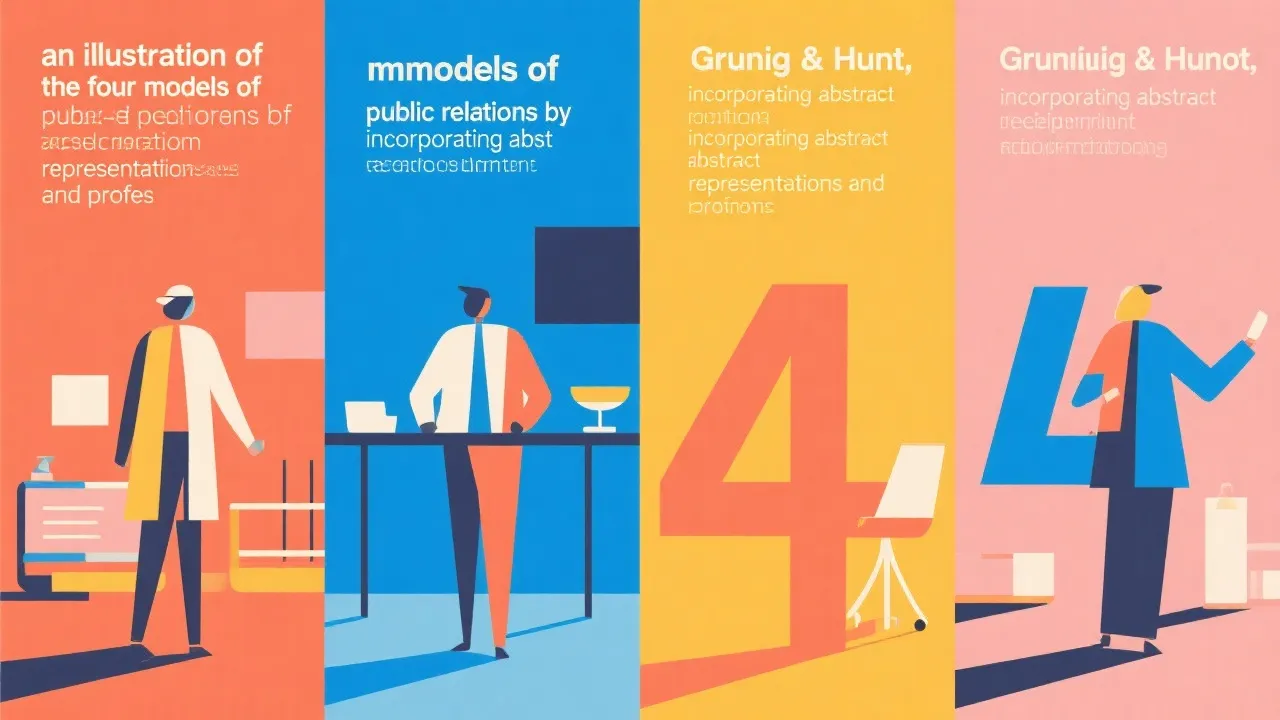
Unveiling Grunig & Hunt's PR Models
This article explores the seminal work of Grunig & Hunt in developing models of public relations. The Grunig & Hunt models, fundamental to understanding PR theory, provide insight into the strategic approaches and methodologies utilized in the field. Each model offers a distinctive perspective on communication and engagement strategies, relevant to both academic discussions and practical applications.

Understanding Attimo Family Office
Attimo Family Office represents a new trend in wealth management services, designed to serve high-net-worth families with personalized attention and expertise. These offices provide tailored financial, investment, and lifestyle management to ensure good wealth preservation and growth. Emphasizing trust, discretion, and bespoke solutions, they cater to the distinct needs of affluent families.
Navigating Attimo Family Office Services
Attimo Family Office is a specialized financial service provider dedicated to managing the complex financial needs of affluent families. By offering personalized advice tailored to each family's unique circumstances, they help in safeguarding wealth across generations. The concept of a family office has been increasingly embraced by high-net-worth individuals seeking tailored investment strategies, tax planning, and legacy management.
Understanding Grunig & Hunt's PR Models
This article delves into the renowned Grunig & Hunt models of public relations, highlighting their significant contribution to the field of strategic communication. Developed by James E. Grunig and Todd Hunt, these models have guided PR practitioners in understanding and executing effective public relations strategies. This guide aims to elaborate on each model, explore their application in real-world scenarios, and underscore their relevance in contemporary PR practices.

Unveiling the Optimar Rae
An in-depth exploration of the Optimar Rae, a frontrunner in seafood processing. Known for its advanced technology and efficiency, the Optimar Rae plays a pivotal role in modernizing seafood operations. This article delves into its significance, examining how it enhances productivity while maintaining environmental standards, marking a new era in maritime industry advancements.

Mastering Employee Retention Strategies
This article delves into the essential role of an Employee Retention Consultant. Employee retention is crucial for maintaining a competitive edge and fostering a positive work environment. Professional consultants help organizations in developing tailored retention strategies to reduce turnover, increase job satisfaction, and enhance overall productivity. Explore expert insights, strategies, and FAQs in employee retention.