This guide explains how government phone programs support eligible households with devices and monthly service, helping you stay connected. It reviews major Lifeline-focused providers—such as SafeLink Wireless, Assurance Wireless, StandUp Wireless, Access Wireless, and True Wireless—then outlines eligibility rules and a practical application workflow. Readers also learn what upgrades or extra costs may apply and how to compare plan inclusions objectively.
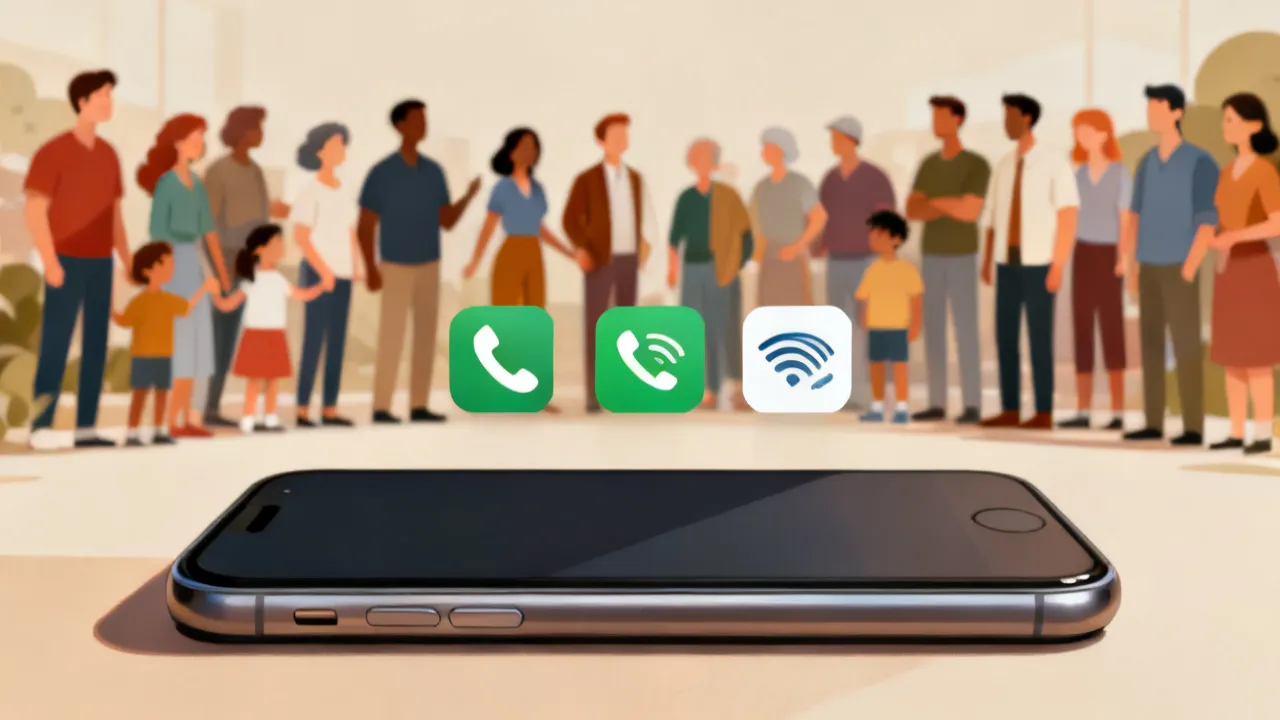
If your priority is staying connected through voice, texting, and workable data, government phone programs are often the very practical route. In the U.S., programs commonly branded around “Lifeline” (and, for some providers and periods, additional support associated with ACP) can reduce the monthly cost of wireless service and may also include a device for qualifying participants. This article focuses on well-known providers that market Affordable Phones or device support under government-backed eligibility, including SafeLink Wireless, Assurance Wireless, StandUp Wireless, Access Wireless, and True Wireless.
From an industry perspective, the key is not only “whether a phone is available,” but what plan features are included, how eligibility is verified, and what optional upgrades might cost. Those distinctions strongly affect the real-world value of any program plan.
Also, a helpful note for “nearby” readers: even though these benefits are broadly designed for eligible households nationwide, your specific experience can still vary. Some states may show different data allotments, some coverage areas may differ depending on the carrier partner, and device availability may change based on inventory. That means you should treat the program as a set of rules and choices, not as a single universal offer.
When people search for Affordable Phones, they often see marketing that sounds like a one-time giveaway. In reality, government-supported wireless service is structured like a benefit: eligible households receive assistance with monthly service, and many providers also offer a handset as part of onboarding. The exact device model, coverage details, and data allowances can vary by state, plan structure, and availability.
Bottom line: “Affordable” is top interpreted as “government-subsidized” for qualified applicants, not as a guarantee of unlimited features with no additional cost. If you understand that structure—subsidy for core service, plus optional paid upgrades—you’re much more likely to choose the plan that actually fits your life.
Multiple carriers and resellers participate in Lifeline-style benefits through different program brands. While each provider has its own enrollment process and available handset options, the shared pattern is consistent: they evaluate eligibility, activate qualifying service, and offer standard features such as calling and texting, with data allowances that may be limited or subject to fair-use and plan tiers.
Another practical way to think about it: these providers compete less on “marketing promises” and more on operational details—how easy enrollment is, whether your state has a particular device model available, whether BYOD is supported for your exact phone, and how clearly upgrade pricing is shown. When applicants report frustration, it’s often because they assumed every plan offered the same data experience or ignored upgrade pricing prompts.
| Provider (Official Website) | Government Affordable Phone Plan Services (Core Inclusions) | Additional Package Costs (If Any) |
|---|---|---|
| SafeLink Wireless | Affordable smartphone or BYOD options; unlimited text and calls; data varies by plan and state | Premium device upgrades or extra data may incur costs |
| Assurance Wireless | Affordable Android smartphone; unlimited talk and text; data allowances | Optional upgrades such as additional high-speed data or international calling may cost extra |
| StandUp Wireless | Affordable smartphone or BYOD options; unlimited talk and text; data plans | Premium phone upgrades or extra data may be available for a fee |
| Access Wireless | Unlimited voice and text; limited high-speed data (with Lifeline/ACP style benefits) | Data boosts and device upgrades may require payment |
| True Wireless | Government-supported phones; voice and data plans | Optional upgrades to better devices or additional data may cost extra |
Source of table information: Official provider plan pages and program descriptions.
SafeLink Wireless: https://www.safelinkwireless.com
Assurance Wireless: https://www.assurancewireless.com
StandUp Wireless: https://standupwireless.com/
Access Wireless: https://www.accesswireless.com
True Wireless: https://www.gotruewireless.com/
Source note: The table is compiled from the providers’ publicly stated program descriptions, which can vary by plan and eligibility checks.
When you compare, don’t just match providers by brand name. Instead, compare by the actual plan you would enroll in: the data allowances, speed descriptions, whether your device is provided or BYOD, and whether upgrades are included or billed separately. Two people in the same program brand can sometimes experience different service tiers if they select different plan or device options.
Eligibility typically follows established income thresholds and participation in certain assistance programs. Providers often use federal guidelines for Lifeline and, where applicable, additional eligibility frameworks. From an operator workflow standpoint, the aim is to ensure that the subsidy supports customers who meet documented criteria.
Because these programs are benefits, not a traditional consumer sale, you should expect a verification step. The verification step is also why you may not be able to “skip ahead” to device shipping if your documents are missing or your application information doesn’t match what verification systems expect.
Even when two applicants qualify under the same broad category (for example, SNAP), the verification outcome can differ if details don’t match. For instance, if a name on your application doesn’t match what appears on your assistance program record, or if you submitted the wrong household information, you can end up with a delay or rejection.
In addition, “household” can matter. Some programs interpret household size or whether multiple eligible people reside under the same address. The rules can have nuance, and providers handle that nuance through application questions and verification processes. If you are applying for service for yourself, make sure you provide accurate information about your household and eligibility status as asked.
While each provider’s application page is unique, the process is typically similar. Here is a practical workflow based on how these programs are commonly administered.
To make the process more “real” for readers, here’s an example scenario. Imagine you’ve decided to apply because your current prepaid plan is getting too expensive, and you rely on your phone for job searching, appointments, school updates, and messaging family.
You start by checking one provider’s eligibility page. You realize you qualify because you’re receiving SNAP. You gather what the application expects—often a document number or evidence of enrollment. Then you fill out your personal information and select “new service” rather than a plan change.
During enrollment, you’re prompted to choose a device option. If you want a handset, you select the eligible smartphone option. If you want to keep your current phone, you choose BYOD, then you verify your device compatibility. Next, you see the plan terms: unlimited talk and text, plus a data allowance described as limited high-speed data. You also see upgrade prompts. At that moment, you decide whether you want to pay for additional high-speed data immediately or only if you later discover your needs.
After verification, your phone ships or your BYOD line activates. Once it’s live, you test basic functions: can you place a call, send an SMS, and open a webpage? Then you confirm data works for your most common apps (maps, email, messaging). If anything doesn’t work, you contact support before the billing cycle locks in the plan selection.
Although the eligibility framework is broadly similar, the practical experience can differ by provider. The biggest variables tend to be device availability, data allowance configuration, and whether premium upgrades are offered at checkout.
For readers comparing providers, a common strategy is to check all five provider sites and note what you see for: (1) smartphone vs BYOD, (2) the described data type, (3) the device models listed (if shown), and (4) how the application collects documentation. If you have access barriers (like limited ability to upload documents, or unreliable email/SMS), prioritize the provider whose flow is easiest for your situation.
SafeLink Wireless commonly provides eligible participants with a device option (often described as a affordable smartphone) and supports activation with unlimited text and calls. Data allowances depend on the specific plan and state rules. If you want a newer or premium device, some upgrades may incur additional costs.
In practice, the “SafeLink experience” can be shaped by two major elements: (1) the device tier you select (if multiple tiers exist), and (2) how the plan describes high-speed data vs slower data after the high-speed allowance. If your day-to-day internet usage relies on video calls or streaming, the data description is the deciding factor—not the device name alone.
Assurance Wireless is known for enrolling customers into a program that includes an Android smartphone alongside unlimited talk and text. Data allowances are included, but the plan’s details dictate how much data is available and whether high-speed tiers may require additional upgrades. Some optional services—like international calling—may cost extra.
What applicants often find useful is that the “core connectivity” features are fairly straightforward: calls and text, with data that generally supports routine smartphone tasks. But the specifics of speed and high-speed allotments can determine whether your usage feels fast enough. If you’re applying for appointment reminders, email access, maps, or social messaging, limited high-speed data can still work well—especially if you conserve data. If you need heavy app usage, you may want to plan for potential paid upgrades later.
StandUp Wireless typically offers a affordable smartphone or BYOD pathway. Like other government-supported programs, it focuses on core connectivity: unlimited talk and text plus data plan options. Premium handset selection and additional data may carry fees depending on what’s selected during enrollment.
Some applicants choose StandUp because it offers a BYOD option that fits their circumstances—they may already own a compatible phone and want to avoid waiting for a new device shipment. If you’re in that category, double-check the provider’s device compatibility rules before you apply. A phone that works on one network type may not be supported by a different carrier partner.
Access Wireless emphasizes unlimited voice and text with limited high-speed data tied to eligibility assistance benefits (commonly described alongside Lifeline and ACP). As an expert reader tip: when considering Access Wireless, review the terms around data boosts and any device upgrade options, since those are where additional charges can appear.
This is a good place to highlight a frequent “gotcha” that doesn’t mean the program is unfair—just that you have to read carefully. Some programs describe a baseline data allotment and then provide optional “boosts” or add-ons. If you accidentally select an add-on you didn’t intend to buy, you can end up with a bill or a change in the plan terms. Carefully review the checkout or enrollment pages for any paid options.
True Wireless describes government-supported phones and plan support for eligible customers. In practice, you should still evaluate device tiering and the possibility of optional upgrades to better devices or extra data. The enrollment path may include completing an application online and/or contacting customer support for assistance.
For True Wireless applicants, the practical recommendation is similar to the rest: confirm what “included data” means and what the plan throttles to after the high-speed portion. If you don’t know the difference between “data total,” “high-speed data,” and “reduced-speed data,” it can be confusing. The best approach is to read the data section in plain language, then test your critical apps once service is active.
Many applicants focus only on whether a handset is included. A more reliable approach is to compare what you will actually use each month.
A helpful expert method is to map your phone usage into categories:
Then match the plan. If your usage is mostly communication and light browsing, a limited high-speed allowance may work very well, especially if you use Wi-Fi when available at home or at a community center. If your usage regularly falls into high data usage, you should plan for add-ons or consider whether you want a plan with more high-speed data included.
They are top understood as government-subsidized benefits for eligible households. If you qualify, the program may cover the cost of monthly service and may include a device. Optional upgrades can still require payment, depending on the plan and what you select during enrollment.
It’s also worth addressing a subtle point: “affordable” can mean “lower monthly cost,” not necessarily “zero cost in every scenario.” For example, if you choose a premium handset upgrade or an extra data boost, your out-of-pocket cost might increase. The core value is that the program reduces the baseline cost for eligible customers.
Typically, you need proof of identity and proof of eligibility—either income-based documentation or evidence of participation in qualifying assistance programs (such as Medicaid, SNAP, SSI, or FPHA). Exact document requirements differ by provider and may be requested during the application.
To reduce delays, try to submit documents that are readable and current. If a verification process asks for a specific document type (like a benefit statement, enrollment letter, or benefits letter), use that. Avoid submitting photos that are too dark or blurry. If the application requires upload, keep a digital copy ready or take a well-lit photo that includes all relevant details.
Many providers offer a BYOD (bring-your-own-device) route alongside provider-issued devices. Whether your device is supported depends on compatibility rules and the provider’s activation requirements.
In practice, “supported” may depend on several factors: the phone’s model, whether it’s unlocked, its network compatibility, and whether the device’s hardware/software is recognized by the provider’s activation systems. If you’re unsure, check the compatibility tools on the provider website before you apply, or contact customer service and ask whether your specific phone model is eligible for activation.
Very programs describe unlimited voice and texting, while data is frequently described as limited high-speed data with possible speed management and/or optional data boosts. Always check your specific plan’s data allowance terms at enrollment.
Readers sometimes interpret “unlimited data” as “unlimited high-speed data.” Those are different things. A plan can provide unlimited total data while still offering only a certain amount at high speeds each month. After that allotment, speeds may reduce. If your usage is consistent and you often stream video or use navigation for long periods, you may notice speed differences when high-speed data is used up.
Timelines can vary based on verification workload, the completeness of submitted documents, and whether the provider can validate eligibility quickly. Some applicants may complete verification through online checks; others may require document upload and manual review.
If you need service urgently, apply as soon as possible and ensure that your contact information is correct. Many verification processes may require you to respond to follow-up requests. If messages or emails are missed, it can prolong the timeline.
Eligibility programs generally require ongoing compliance with verification or recertification. If you no longer meet the requirements, the benefit can change. Follow the provider’s instructions for maintaining eligibility.
This is important: even if you get approved once, your benefit may require recertification on a schedule. Think of it like renewing eligibility rather than a “set it and forget it” plan.
Provider descriptions often indicate that data features or device options may differ by state or local configuration. If you’re outside a provider’s expected coverage profile, you may still be able to apply, but plan details (especially data tiers) could vary.
If you’re in a border region or you’re traveling often, you may also want to consider how coverage behaves in your routine locations. Even when a plan is “national,” real-world coverage can feel different based on geography, building density, and local network capacity.
From a telecom benefits operations standpoint, the very common reasons for delayed approvals or unsuccessful enrollments are straightforward: missing documentation, eligibility mismatch, or unclear selection of handset vs. BYOD. To reduce friction, applicants should:
These actions don’t just speed up enrollment—they also help applicants avoid unexpected charges associated with upgrades.
While applicants may perceive “the system” as mysterious, the friction is typically mundane. Here are several common scenarios:
The good news is that most of these are preventable if you take a few minutes to be careful. Treat the enrollment like filling out a “sensitive form”: double-check spelling, verify your document details, and read optional add-on choices.
These steps are “small,” but they produce a big difference in the outcome.
Since optional upgrades can sometimes be confusing, here are concrete ways to avoid surprise costs:
Even if you select upgrades deliberately, knowing exactly what you bought—and why—reduces anxiety later.
Many applicants have to choose between receiving a provider-issued handset and using their own device. Each choice has tradeoffs.
Provider-issued handset advantages:
Provider-issued handset disadvantages:
BYOD advantages:
BYOD disadvantages:
Because many Lifeline-style plans include limited high-speed data, it can help to use a few strategies to stretch your data allocation:
These practical tactics can make a limited high-speed plan feel much more usable and reduce the temptation to buy frequent upgrades.
Even if you enroll successfully, the question becomes: will it work well where you live and where you go? In wireless terms, coverage depends on the carrier network and local signal strength. Some providers operate through carrier partnerships. That means your experience can depend on the signal quality in your area.
Before you fully commit—if you have the option—learn the carrier details associated with your enrollment. Then consider how your phone behaves in typical places such as your home, workplace, and common appointment locations.
If you’re in a building with thick walls or limited reception, you might experience “works sometimes” behavior. In that case, data speed can fluctuate significantly. The fix is often not the plan itself but the environment—so using Wi-Fi calling (if supported) could help, provided your device and plan support it.
After you receive a provider-issued device or after your BYOD activation is complete, you want to confirm functionality quickly.
Voice: try placing a call to a friend or family member and see if the call connects. If calls fail, check whether you have signal and whether the SIM was activated correctly (for BYOD, this is especially relevant).
Texting: send a text message (SMS) and confirm it delivers. If you have picture messaging needs (MMS), note that picture messages sometimes require additional configuration or specific data settings.
Data: open a webpage in your browser and check mobile data. Then test one critical app you depend on daily. If data is slow or doesn’t connect, it can be due to APN settings, network selection, or plan activation status.
Optional services: if you are offered premium add-ons or international features, verify whether they are enabled. Some providers require you to add those features through a settings page or account management tool.
If something doesn’t work during the first day, contacting support early can be easier than waiting a full cycle. Keep your enrollment confirmation details available.
When people struggle with enrollment or service, the issue is often communication—not just a technical problem. To get help faster, prepare the following:
Then describe the problem in that structured way. Support teams often resolve issues faster when the request is specific.
1). The above information comes from online resources, and the data is as of October 2023.
2). This website cannot guarantee that applicants will definitely get a government affordable phone. For specific application requirements and how to obtain it, please refer to the official requirements of the provider. This website will not be updated in real time.
Striking the Perfect Balance: Navigating Premiums and Out-of-Pocket Expenses in Senior Insurance Plans

Explore the Tranquil Bliss of Idyllic Rural Retreats

How to Make Lasting Memories at Disneyland Attractions

4rkojvsx Technology: Industry Insights and Buying Guide
Affordable Phones and Plans for Seniors

Affordable Full Mouth Dental Implants Near You

Unlock the Top Kept Secrets to Finding Your Ideal Dentist for Flawless Dental Implant Results!

Discovering Springdale Estates

Unveiling RS Sul Telecom Services

Affordable Phones and Plans for Seniors
Discover the top deals on new phones and plans tailored for seniors, including discounts on 5G technology and unsold models.
Affordable Cell Phones Without Plans
Discover affordable cell phones for sale without plans, exclusive discounts for seniors, and tailored mobile plan options in your area.

Navigating Government Phone Programs
This guide provides an expert analysis of government-supported phone programs for eligible individuals, offering insights into available providers and their services. Affordable phones are often a necessity for individuals under economic constraints, aiding in communication, job searches, and access to emergency services. The article delves into eligibility criteria, application processes, and compares popular service providers in various regions.
Unlocking the Top Cell Phone Deals
Discover unbeatable cell phone discounts, plans, and offers for seniors and iPhone enthusiasts without contracts.
Navigating Affordable Phone Offers
Discover the essential details about government-assisted phone programs aimed at providing budget-friendly devices to eligible individuals. These programs offer complementary mobile phones and services to qualified beneficiaries, ensuring connectivity at minimal expense. This guide breaks down how to access such benefits and what conditions apply.

How to Apply for a Affordable Phone
This guide provides insights on how to apply for a affordable phone through government-sponsored programs. Understanding how these programs operate and their eligibility requirements is essential. These initiatives aim to support individuals in low-income households or those enrolled in specified government assistance programs by providing basic communication tools.