This guide explains how Makerphone 2.0 fits into today’s low-cost connectivity landscape and compares mainstream government-supported phone options. It provides objective background on the relevant wireless benefit programs, the typical eligibility framework, and the practical steps applicants use to request a device and service. Providers often differ by plan structure and available device models.
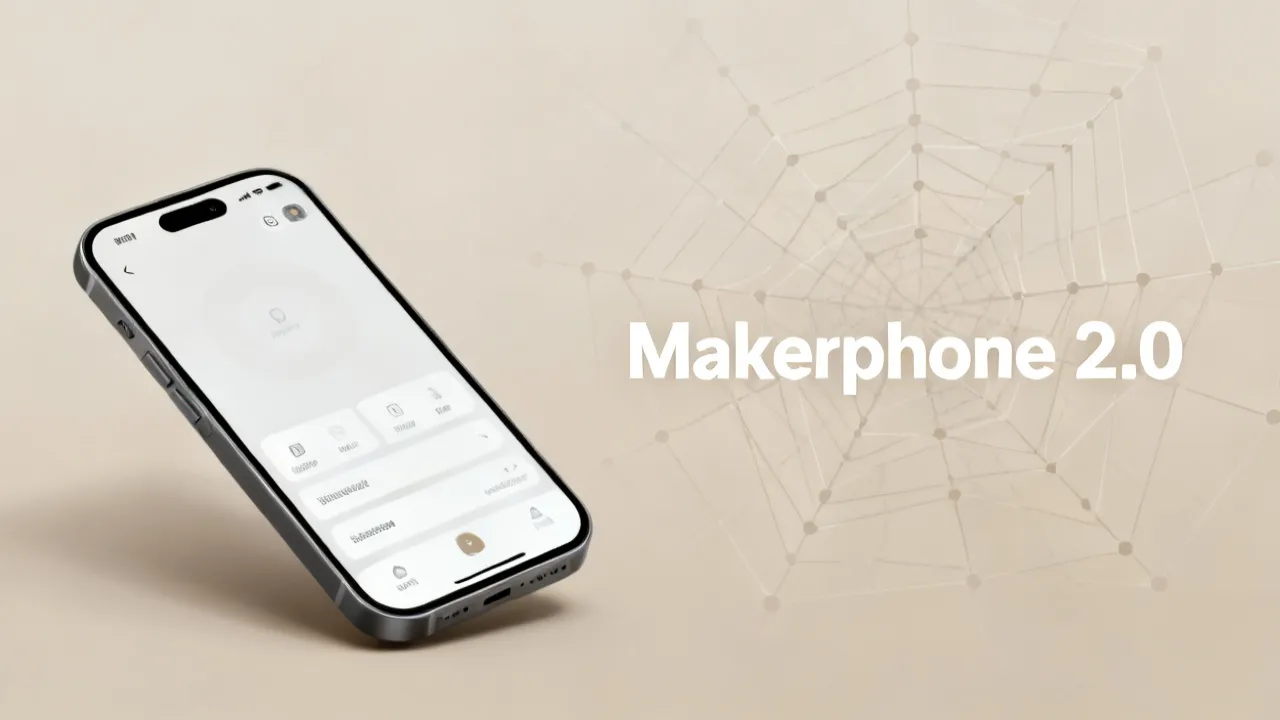
If you’re exploring a modern device identity such as Makerphone 2.0 alongside government-supported wireless initiatives, the most useful way to proceed is to treat both as parts of the same decision workflow: (1) confirm your eligibility, (2) pick a provider whose service terms match your communication needs, and (3) understand what costs may appear after enrollment (such as device upgrades, add-ons, or changes to data speed after a limit). While provider offerings vary by state and plan, the core selection factors—coverage, data allowance structure, upgrade pricing, application steps, and activation requirements—remain broadly consistent across many major Lifeline-linked programs.
In other words, “Makerphone 2.0” research is often shorthand for a real goal: getting a dependable, modern-feeling phone and reliable service that doesn’t strain a tight monthly budget. Government phone plans are designed to reduce the barrier to essential communications, but they still require verification and sometimes include constraints such as limited high-speed data, different device tiers, and optional features that may cost extra.
Because these programs evolve and each provider offers a slightly different enrollment experience, the best approach is not to focus only on the handset branding. Instead, compare how the plan will behave month to month—especially around data usage, throttling policies, upgrade eligibility, and customer service responsiveness.
Makerphone 2.0 is often understood not as a single universally standardized government program, but as a modern reference point for device access and connectivity planning. Many consumers researching “Makerphone 2.0” are trying to answer the same underlying question: how can I get reliable voice, text, and data access without overextending monthly budgets?
From an industry perspective, the decision is rarely only about the handset. Service economics—monthly plan structure, high-speed data allotments, whether throttling occurs after an allowance, whether “unlimited” includes limited-speed data after usage, and the availability of optional upgrades—are equally important. At the same time, government-supported wireless programs are designed to reduce the barrier to participation in essential communications. That design typically pairs eligibility verification with a supported device-service bundle, rather than giving unlimited choice in every category.
To make the decision feel less confusing, think of the process as two separate layers:
“Makerphone 2.0” research generally targets Layer 1 (the “modern device” feeling), while government phone plan selection targets Layer 2. The best outcomes occur when those layers are aligned: the phone you can receive and use comfortably matches the plan’s data and coverage characteristics.
It’s also helpful to recognize that the phrase “Makerphone 2.0” can function as a conceptual label. People may be using it to describe “the next generation of accessible phones” or a more modern device strategy, not necessarily a specific single SKU (stock keeping unit) that is offered the same way nationwide. That means your real decision still happens at enrollment time: what device options are available through the provider you choose, and what service terms accompany those devices.
Across major U.S. providers that participate in federal and state-supported wireless initiatives, applicants typically receive a plan that covers core connectivity needs such as voice and text, and includes data in an allowance-based format. Many plans are structured with a limited high-speed tier, after which speeds can slow. Some programs also include the ability to add data boosts, though the timing, cost, and eligibility for those boosts depend on the provider.
Because these programs are administered through eligibility rules and carrier participation agreements, the experience can vary widely. Your location, the specific plan offered to you, and the device model available at enrollment time influence the final outcome.
Additionally, “government phone program” can describe multiple overlapping structures—federal programs (commonly associated with Lifeline) and related affordability efforts. While they share the core idea of reducing monthly communication costs, each program’s details can affect the final plan you receive.
In practice, most enrollments follow a predictable flow:
What differs is the “fine print” around data speed behavior, available handset models, optional add-ons, and the process for changing devices later.
Below is a high-level comparison of well-known government-linked wireless providers. The goal is clarity, not to imply that offerings are identical everywhere or that every customer will see the same exact terms. Providers may change plans, device catalogs, and add-on pricing without notice.
| Provider (Official Plan Site) | Common Service Inclusions | Potential Additional Package Costs |
|---|---|---|
| SafeLink Wireless | Phone service with unlimited talk and text; data availability depends on the selected plan | Upgrades to premium devices or additional data options may involve charges |
| Assurance Wireless | Android device option; unlimited talk and text; data allowances vary by plan | High-speed data extensions or optional calling services may be charged |
| StandUp Wireless | Smartphone or BYOD pathway; unlimited talk and text; data plans depend on the benefit package | Premium device upgrades or extra data may cost extra |
| Access Wireless | Unlimited voice and text; limited high-speed data under Lifeline/ACP-aligned benefits | Data boosts and device upgrades may involve fees |
| True Wireless | Government-supported phone/device option; voice and data plan availability depends on eligibility outcome | Upgrades to better devices or additional data tiers may cost extra |
|
source: www.safelinkwireless.com, www.assurancewireless.com, standupwireless.com, www.accesswireless.com, www.gotruewireless.com |
Note: The table and source links reflect publicly described program terms as presented on the providers’ official sites and related program materials. Actual availability, device models, and data structures can change based on location, inventory, and eligibility verification outcomes.
As requested, links are provided immediately after the table and indicated as the source of the information.
In most cases, eligibility for these programs is tied to income thresholds and/or enrollment in specific government assistance categories. While the details can differ by provider and plan, applicants are generally assessed against federal criteria and sometimes additional state rules. Providers that participate in Lifeline and related programs often follow similar verification logic—meaning you may see similar types of documentation requests even if the provider name differs.
The biggest misunderstanding applicants have is that the program is “automatic” once you qualify in a broader sense. In reality, even if you’re eligible, you must still complete provider-specific steps, submit required documentation (or verify through accepted pathways), and keep your enrollment information current.
Eligibility can be determined by household size as well as household income. If your household includes dependents, you may want to calculate carefully or use the provider’s guidance tools if they exist.
Although each provider has its own submission flow, the practical steps usually look like the following. The details may vary (for example, some providers are more document-upload-centric; others use a verification platform or eligibility tool), but the core process is similar.
After enrollment, it’s often smart to check your initial bill summary (or online account information) even if you expect the plan to be “covered.” Some programs include small “estimated” charges that are fully offset; others can include optional items that you must decline during setup. Reading the activation screen and confirmation email carefully can prevent later confusion.
From an industry expert’s standpoint, the most efficient approach is to separate “device preference” from “service economics.” If you’re evaluating Makerphone 2.0 as a modern handset concept, confirm whether your priority is:
Then, align that with the benefit plan’s structure. Benefit-linked wireless programs often cover core communication and include a limited data allowance. If your usage requires consistent high-speed data—such as frequent video calls, large app downloads, or streaming in multiple locations—you should ask how throttling or allowance caps are handled and what upgrade options exist.
It can also help to quantify your typical usage. Even a rough estimate can reveal whether a “limited high-speed tier” is enough. For example:
“Makerphone 2.0” decisions are best made after you know which usage tier you fall into, because the plan’s behavior after the included allowance can determine whether the modern-device experience feels satisfying or frustrating.
Even when government-linked programs cover core connectivity, additional charges can appear in specific scenarios. These charges can come from equipment upgrades, extra data, or optional features you select or that are bundled by default but can sometimes be declined.
As a practical strategy, review any “upgrade” language before submitting an application, because it can affect your total cost of ownership. Also check whether the upgrade is a one-time fee, recurring monthly add-on, or a tier that changes your plan’s monthly economics.
Start here:
This inverted-pyramid approach is valuable because it prevents you from falling in love with a device idea (like “Makerphone 2.0”) and then discovering later that the plan’s data pattern doesn’t match your daily needs.
Wireless connectivity has increasingly become a baseline requirement for job searching, healthcare communications, everyday administration (appointments, verification codes, school portals, and service accounts). That shift has supported sustained interest in government-backed access initiatives. In practice, providers that participate in these systems aim to maintain standardized benefits while allowing flexibility through limited device selections and optional upgrades.
Consumers comparing a concept like Makerphone 2.0 with benefit-based access typically do so to reduce the “gap” between desire (modern device experience) and constraints (budget and eligibility verification). A well-informed approach reduces the risk of mismatched expectations regarding device capabilities and data limits.
There’s also a broader market dynamic: mainstream carriers often require credit checks, higher device financing, and monthly costs that can be difficult to manage. Government-supported plans help close that gap by offering a subsidized monthly connectivity package. The tradeoff is that you usually must follow eligibility and program administration rules, and you may have fewer device choices.
When people compare phone plans, they sometimes focus on “unlimited talk and text” and overlook the question that matters most day to day: how dependable is your actual signal where you live?
To evaluate coverage in a meaningful way, consider:
Even if two plans both say “unlimited,” their lived experience can differ depending on network congestion and data speed policies after the high-speed allowance is used.
One of the most misunderstood aspects of government phone plans is the meaning of “unlimited.” Many plans offer unlimited talk and text but include a limited data allowance with high-speed coverage that may slow after you use a certain amount.
To interpret a plan correctly, look for details such as:
Then connect that to your daily tasks. If you mostly use messaging apps and email, a lower-speed tier may still work. But if you frequently stream video, attend video meetings, or download large app updates on mobile data, performance can feel drastically different once high-speed data is exhausted.
A helpful technique is to choose a “representative week” of your life and review your usage habits. If you already have another carrier plan, check your past mobile data totals. Even a rough range (e.g., 3 GB, 10 GB, 20 GB per month) can help predict whether the subsidy will feel adequate.
When people say they want a “Makerphone 2.0”-style device, “modern” might mean different things. Some want a newer camera; others want better battery life; others want a smoother app experience for work. Before you commit to a device path, decide which device traits you can’t compromise on.
Common device criteria include:
Government phone devices can still be quite capable, especially for messaging, navigation, and everyday apps, but it’s wise to confirm the device model and its basic capabilities before assuming it meets your expectations.
Some government-linked programs offer a BYOD (bring-your-own-device) option or allow device compatibility checks. Others assign a phone directly after approval.
The decision between BYOD and assigned-device enrollment is important:
If “Makerphone 2.0” is really about keeping control over your device experience, BYOD can align with that goal. But if your priority is minimal complexity, assigned-device enrollment can be the smoother option.
Even when you qualify, the application can fail or delay due to documentation issues, mismatched information, or incomplete submissions. A few practical tips can significantly reduce the chance of problems:
When eligibility is verified, enrollment becomes more straightforward—but verifying early and correctly improves the overall experience.
After you receive approval, the process may include shipping a device, issuing a SIM (if required), or enabling your service on a compatible phone. Activation can be the “last mile” where most confusion happens, especially for people who aren’t accustomed to carrier setup steps.
Activation steps may include:
It’s often worth taking a few minutes after activation to confirm your plan’s data behavior. For example, check whether the phone shows a data allowance indicator and test whether common apps load at expected speeds.
Many people enter government phone plans with the assumption that there will be no charges at all. But costs can sometimes show up due to upgrades, add-ons, or accidental purchases. Understanding cost pathways prevents surprises.
Common cost pathways include:
To manage these costs, you should:
Use this checklist to turn uncertainty into a structured process:
Makerphone 2.0 is typically referenced as a modern device/access concept rather than a single universal government benefit. Your actual enrollment depends on the specific provider’s supported program terms and the handset/service bundle they offer after eligibility verification. If you see “Makerphone 2.0” mentioned in a guide or forum context, treat it as a shorthand for modern-device expectations and confirm the real device model offered by the provider you apply to.
Often yes. Many programs allow eligibility through other qualifying assistance categories, such as SSI, FPHA, or via qualifying income levels. Requirements can vary by provider and plan, so you should review the official provider instructions before submitting an application. If you qualify through a program that isn’t listed in a general overview, it’s still worth applying and providing documentation.
They can be similar in that you’re receiving a wireless service plan, but benefit-linked programs include eligibility verification requirements and may have standardized voice/text coverage with structured data allowances. Upgrade options may exist, but the default included bundle is usually tied to the benefit package you qualify for.
Common additional costs include premium device upgrades and extra data add-ons. Some optional services (for example, certain advanced calling features) may also be available for an additional fee. Reviewing the provider’s terms during application and plan selection is the top way to avoid surprises. Also pay attention to whether you need to opt into add-ons or whether anything is bundled automatically.
Timelines can vary depending on verification requirements and document review. Providers may use online verification pathways or require document upload. For exact timelines, follow the instructions and status updates provided by your selected provider. If you submitted documents, ensure you can access your email and phone notifications so you don’t miss follow-up requests.
Not necessarily. Device availability often depends on eligibility outcome and inventory at the time of enrollment. If you have a specific requirement, confirm whether the provider supports selecting different device tiers and what upgrade costs may apply. If “Makerphone 2.0” is your expectation, translate it into concrete features (battery life, storage, app compatibility) and ensure the offered device meets those needs.
Wireless benefit programs can have state-level differences in administration and plan details. The reliable approach is to check the official provider’s program pages and submit your application through their official channel. State rules can affect benefit packaging, device options, and potentially verification steps.
Confirm activation steps, review your included voice/text/data allowance, and read the provider’s add-on or upgrade policy so you understand what costs may apply for additional high-speed data or device changes. Then, after activation, test the essentials: calling, texting, mobile data, and voicemail. If anything doesn’t work, contact support promptly while the setup window is still fresh.
Pairing a modern device perspective like Makerphone 2.0 with government-supported phone programs is often about aligning practical needs—reliable voice/text and manageable data—with the realities of eligibility and plan structure. By understanding the typical application steps, reviewing eligibility requirements, and checking how optional upgrades may affect cost, applicants can make a more predictable and informed decision.
The key is not to treat this as a single “apply and hope” task. Instead, use a structured approach: verify eligibility first, select a provider based on the actual data behavior and coverage where you live, confirm device options and upgrade pricing, and manage the plan carefully after activation.
When you do that, you increase the likelihood that your “modern phone” goal becomes real—less frustration, fewer surprises, and better day-to-day communication outcomes.
1). The above information comes from online resources, and the data is as of October 2023.
2). This website cannot guarantee that applicants will definitely get a government affordable phone. For specific application requirements and how to obtain it, please refer to the official requirements of the provider. This website will not be updated in real time.
Striking the Perfect Balance: Navigating Premiums and Out-of-Pocket Expenses in Senior Insurance Plans

Explore the Tranquil Bliss of Idyllic Rural Retreats

How to Make Lasting Memories at Disneyland Attractions

4rkojvsx Technology: Industry Insights and Buying Guide
Affordable Phones and Plans for Seniors

Affordable Full Mouth Dental Implants Near You

Unlock the Top Kept Secrets to Finding Your Ideal Dentist for Flawless Dental Implant Results!

Discovering Springdale Estates

Unveiling RS Sul Telecom Services

Affordable Phones and Plans for Seniors
Discover the top deals on new phones and plans tailored for seniors, including discounts on 5G technology and unsold models.
Affordable Cell Phones Without Plans
Discover affordable cell phones for sale without plans, exclusive discounts for seniors, and tailored mobile plan options in your area.

Navigating Government Phone Programs
This guide provides an expert analysis of government-supported phone programs for eligible individuals, offering insights into available providers and their services. Affordable phones are often a necessity for individuals under economic constraints, aiding in communication, job searches, and access to emergency services. The article delves into eligibility criteria, application processes, and compares popular service providers in various regions.
Unlocking the Top Cell Phone Deals
Discover unbeatable cell phone discounts, plans, and offers for seniors and iPhone enthusiasts without contracts.
Navigating Affordable Phone Offers
Discover the essential details about government-assisted phone programs aimed at providing budget-friendly devices to eligible individuals. These programs offer complementary mobile phones and services to qualified beneficiaries, ensuring connectivity at minimal expense. This guide breaks down how to access such benefits and what conditions apply.

How to Apply for a Affordable Phone
This guide provides insights on how to apply for a affordable phone through government-sponsored programs. Understanding how these programs operate and their eligibility requirements is essential. These initiatives aim to support individuals in low-income households or those enrolled in specified government assistance programs by providing basic communication tools.
