This guide explains how Makerphone 2.0 fits into today’s smartphone ecosystem alongside U.S. government-supported phone options from major Lifeline providers. Background context covers why low-cost connectivity programs exist, how eligibility is typically evaluated, and what applicants usually need to prepare. It then compares leading plan providers and outlines practical steps to apply while keeping expectations realistic and objective.
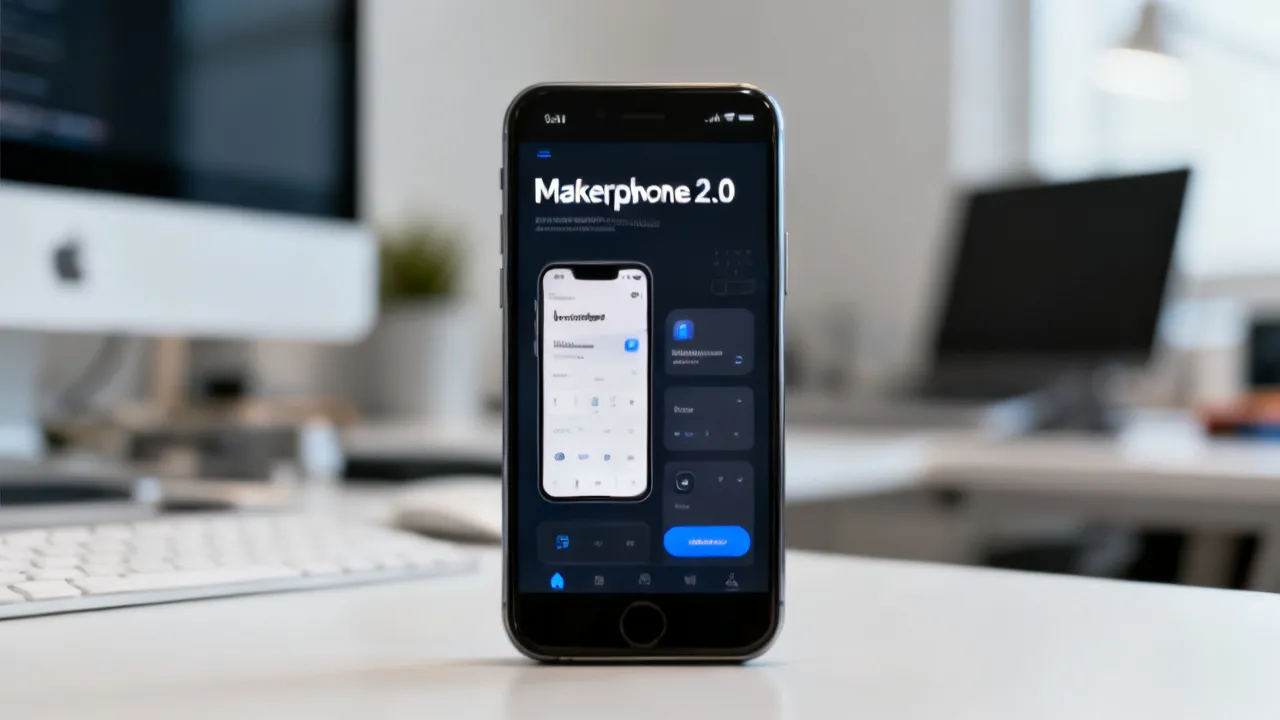
If you’re researching Makerphone 2.0 as a potential smartphone platform or product direction, it helps to understand the wider landscape: connectivity access in the U.S. is often shaped by the same set of government-supported mobile options offered through Lifeline-style participation programs. For many households, the practical question becomes: Which provider’s plan top matches my usage, and what device requirements should I expect?
From an industry perspective, the very critical variables are not marketing claims; they are eligibility verification, plan structure (voice/text/data allotments), device policy (affordable handset vs. bring-your-own-device), and whether optional upgrades carry additional charges. When people say “affordable phone,” they often compress many separate decisions into one: choosing a network, choosing a handset path, and choosing how data behaves over time. Those decisions become especially important when you’re experimenting with a newer device direction like “Makerphone 2.0,” because a next-generation device concept only helps if it fits the plan rules and works reliably on the carrier network.
In other words, affordability programs don’t just lower the monthly price—they also constrain the set of compatible devices, the plan’s data behavior, the activation process, and the eligibility workflow. That’s why the key decision points below are the ones that matter most if you want a smooth path from “research” to “actually have service.”
Makerphone 2.0 is commonly discussed in online communities as a next-step concept for smartphone design, accessibility, and modernization of entry-level devices or device ecosystems. While the exact feature set depends on the specific product or program context you’re evaluating, readers usually want clarity on:
In parallel, government-supported programs through Lifeline-style mechanisms aim to reduce monthly communication barriers. That overlap—device access plus service affordability—is where very practical planning begins. It’s also where the “Makerphone 2.0” research mindset becomes different from general consumer phone shopping: instead of asking only “Is this phone good?” the sharper question becomes “Is this phone’s usability and network compatibility achievable under the government-supported plan that the household qualifies for?”
Another nuance people sometimes miss is that affordability programs often change over time: plan names may remain familiar, but data policies, handset availability, and the set of supported device models can evolve. So the research step should produce not only a shortlist, but also a set of verification questions you can reuse when you apply or when you upgrade later.
Major carriers and service providers that participate in government-supported connectivity programs generally structure plans around three layers: basic service (voice and text), data allowances (sometimes limited high-speed tiers), and device policy (either offering a handset or supporting bring-your-own-device).
When comparing options, a careful, objective approach is usually more effective than focusing only on headlines. Look at:
In this guide, those comparison elements are summarized after the introduction and then translated into actionable application steps. The translation matters: an eligibility workflow can be the bottleneck even when the plan price is attractive. Likewise, a device policy can make a “good device direction” irrelevant if it cannot be activated under the program.
To align with a “Makerphone 2.0” mindset, you also want to think in terms of constraints and tradeoffs:
That kind of analysis helps prevent the common scenario where a household starts with the right eligibility paperwork but later discovers the plan cannot support the intended device path.
The table below lists the official government phone plan providers discussed in this article, summarizes core services commonly included in their government-supported plans, and notes whether additional package costs may apply (e.g., premium device upgrades or optional data boosts). This is a structural comparison—always confirm details directly with the provider because plan terms can vary by state and over time.
| Provider | What’s typically included (government-supported plan) | Potential additional package costs |
|---|---|---|
| SafeLink Wireless | Unlimited text and calls; data allowance depends on plan/state; handset may be available or BYOD options may be supported. | Optional upgrades such as premium device selection or additional data. |
| Assurance Wireless | Affordable Android smartphone is often offered; unlimited talk and text; data allowances apply based on the specific offering. | Optional upgrades for extra high-speed data or international calling services. |
| StandUp Wireless | Affordable smartphone or BYOD options; unlimited talk and text; data plans included as part of the offering. | Premium device upgrades or extra data for a fee. |
| Access Wireless | Unlimited voice and text; limited high-speed data as part of Lifeline/ACP-style benefits. | Data boosts and device upgrades may involve additional charges. |
| True Wireless | Government-supported phones with voice and data plans; eligibility required through qualifying programs or income thresholds. | Optional upgrades for better devices or additional data plans. |
Website sources: [www.safelinkwireless.com](https://www.safelinkwireless.com), [www.assurancewireless.com](https://www.assurancewireless.com), [standupwireless.com](https://standupwireless.com/), [www.accesswireless.com](https://www.accesswireless.com), [www.gotruewireless.com](https://www.gotruewireless.com). The links above indicate the origin of the plan and eligibility information summarized in this article.
It’s also useful to interpret the table in a “decision points” mindset. For instance, a plan that offers both a handset and BYOD support may seem flexible, but the household still needs to confirm activation compatibility, supported bands, and whether the BYOD path has any limitations. Similarly, a plan that includes unlimited talk and text can still feel constrained if data speed is capped early in the month or if high-speed data behaves like a small “starter bucket.”
If you’re approaching “Makerphone 2.0” as a design direction—such as focusing on longevity, repairability, and software stability—then it’s worth factoring that into the plan selection too. A stable device might reduce repair costs and downtime, but the plan’s service features still determine everyday functionality.
Government-supported communications programs (commonly associated with Lifeline benefits, and in some contexts linked to additional affordability initiatives such as ACP) generally use eligibility rules grounded in income thresholds or participation in qualifying assistance programs. While exact documentation varies by provider, the overarching pattern is consistent across major Lifeline-associated offerings.
Eligibility isn’t just paperwork—it can shape the speed at which you can activate service and the likelihood that your request will be accepted the first time. Many households lose time because they apply without realizing that their documentation must match specific formats, names, and verification steps.
When you integrate “Makerphone 2.0” research into this process, eligibility becomes even more strategic: if the plan includes a handset, you may not need to worry about BYOD compatibility; if the plan pushes BYOD, eligibility becomes linked to whether you can actually activate the device you want. So eligibility pathways can indirectly decide whether “Makerphone 2.0” is relevant in the first place.
A helpful mindset is to treat eligibility as a two-part test: do you qualify? and can you prove it in the required format? The second part is often where friction occurs. Names must match, documents must be readable, and dates may matter. If you’re thinking about “Makerphone 2.0” and want to avoid a long wait, you can reduce the number of retries by preparing documents early and using official channels.
Another key point: eligibility qualification is not simply a one-time condition. Programs typically require ongoing compliance and may periodically re-verify. That means you should keep an eye on communications from the provider and understand how to respond quickly if documentation needs updating.
Below is an objective, provider-typical workflow. Always confirm your specific process with the official provider pages, but this sequence reflects the general application mechanics used across major providers.
To make this more actionable in a “Makerphone 2.0 meets affordability programs” context, you can add practical checks at each step:
These additions turn a generic “apply online” workflow into a plan that supports device experimentation and reduces the chance that the wrong assumptions about compatibility will derail the process.
While every provider’s public terms should be treated as authoritative, the following high-level summaries help readers understand the common patterns:
For readers evaluating Makerphone 2.0, the strategic takeaway is to treat these providers as service-access channels, not just “phone deals.” The eligibility process and plan terms determine what level of connectivity you can maintain reliably.
There is also an implementation detail that frequently affects user satisfaction: even when a provider offers a handset, the exact model you receive can vary. If you view “Makerphone 2.0” as part of a broader device philosophy (for example, you care about durability, accessible interfaces, or repair-friendly design), model variability becomes a factor: you may receive a “similar” device rather than a specific device that you wanted to evaluate.
If your priority is to test or experience a particular device philosophy (like “Makerphone 2.0”), consider whether your evaluation goal requires BYOD control. BYOD can be a better alignment for researchers or builders, while handset offerings may be more appropriate for households that want minimal setup friction.
Many shoppers begin with device curiosity—design, usability, longevity, or feature direction—but government-supported phone programs are fundamentally service plans with eligibility and device policies. If you want the two to work together, consider these practical checks:
From an industry expert standpoint, this alignment step is where many applicants either save time (by choosing the right provider early) or run into issues (by assuming a desired device model will be compatible).
To go deeper, you can think of “Makerphone 2.0 alignment” as a three-layer match:
When “Makerphone 2.0” is about affordability-by-design, the long-term cost layer is especially important. Even if the base plan is inexpensive, frequent add-ons can erode affordability. Conversely, if you choose a plan with slightly less data but your household uses data-efficient apps, total cost might remain low while daily usability remains high.
Another alignment lever is the learning curve. Some phones can be “technically compatible” but still less usable for the household if setup steps are complex. If “Makerphone 2.0” emphasizes ease of onboarding or simplified UI, that can be a meaningful advantage—yet it still depends on whether the provider’s activation flow supports straightforward provisioning.
Government-supported communications programs are subject to verification and compliance processes. Applicants should be careful about providing accurate documentation and should avoid third-party “guarantee” services that imply approval is certain. The very reliable approach is to use official provider portals and follow their stated documentation and eligibility requirements.
There are several practical risk areas to understand:
For “Makerphone 2.0” researchers, there’s also a compliance angle related to testing. If you’re evaluating device behavior under an affordability program, keep it clean and official: use the provider’s supported pathways, avoid circumventing verification, and document what works through accepted channels. That protects your research credibility and prevents service interruptions due to policy violations.
Finally, remember that programs may have rules about what happens if eligibility lapses. If you rely on a phone for work, school, or safety-related communication, treat re-verification deadlines seriously. A “Makerphone 2.0” device concept might be durable, but the service plan is the continuity layer—if the plan is interrupted, even a great device becomes just a Wi‑Fi tool.
While eligibility and plan selection dominate the onboarding stage, the “total experience” of a smartphone for affordability households often depends on other factors too: app usage, screen size, keyboard usability, battery behavior, update reliability, and the availability of accessible support.
In the context of “Makerphone 2.0,” these are not minor details. A device that is cheaper to keep can reduce long-term costs in a way that complements program affordability. For example, if a device supports smoother software update behavior, or if it uses a setup approach that reduces configuration effort, it can prevent the “setup churn” that sometimes drives people back to acquiring another device.
Below are experience-oriented decision points that can be integrated into your provider and device plan:
Although these points go slightly beyond the official plan terms, they often explain why two households receiving similar plan benefits can still report very different satisfaction levels. When the data allowance is capped, the device becomes the user’s interface to a finite resource; therefore, usability and efficiency become part of “affordability,” not just performance.
“Makerphone 2.0” is commonly used as a label for a next iteration of a device concept or ecosystem. In practical research terms, it matters whether the device is compatible with the wireless network and whether a provider’s government-supported plan allows the device you plan to use (affordable handset or BYOD where available). If the device direction emphasizes better usability and longer-term keep-cost, it can be a strong match for affordability programs—but only when the plan supports that device path.
Often, yes. Many Lifeline-style eligibility frameworks allow qualification through participation in programs such as Medicaid, SNAP, SSI, or FPHA, in addition to income-based thresholds. The exact accepted pathways can differ by state and provider. The key is to select the correct documentation set and ensure the eligibility pathway you use is accepted by the provider during verification.
Typically, they include unlimited voice and text. Data is commonly offered as an allowance that may include limited high-speed capacity. If you use a lot of data, you should confirm the specific data structure and any overage behavior (and whether data boosts are available). It’s also important to understand that “high-speed” can mean different thresholds in practice; therefore, reading the plan’s data policy language matters more than a simplified “unlimited data” phrase you might encounter in general marketing.
Many providers accept online applications, and some may support verification through an official verifier process. The exact channels and steps (online-only vs. additional support options) should be confirmed directly with the provider you choose. If you’re integrating “Makerphone 2.0” into your planning, online application is often the fastest way to check device policy and plan fit, because you can quickly review plan terms and initiate a BYOD check if supported.
While base government-supported plans generally focus on included core services, additional charges can apply to optional premium device upgrades, additional data, data boosts, or international calling add-ons. Always review the provider’s pricing terms for optional upgrades. A practical affordability tip is to consider whether add-ons are occasional or recurring—recurring add-ons can meaningfully change the monthly cost even if the base plan is low-cost.
Timelines vary by provider, state, and the completeness of verification documents. Some applications verify quickly; others require additional follow-up if documentation is incomplete. If your household depends on immediate connectivity for work or safety, it can help to prepare documents early and ensure they are readable. A smooth “Makerphone 2.0” path also benefits from quick activation because device configuration and onboarding typically happen soon after receiving the phone.
No. Approval depends on eligibility verification and program rules. Applicants should ensure documentation is accurate and complete and should rely on the provider’s official criteria for expectations. In device-policy terms, even approved applicants may receive different handset models based on availability, or may need to use BYOD if the program supports it. If your research goal requires a specific device type, confirm the device policy before you apply.
1) The above information comes from online resources, and the data is as of October 2023.
2) This website cannot guarantee that applicants will definitely get a government affordable phone. For specific application requirements and how to obtain it, please refer to the official requirements of the provider. This website will not be updated in real time.
Striking the Perfect Balance: Navigating Premiums and Out-of-Pocket Expenses in Senior Insurance Plans

Explore the Tranquil Bliss of Idyllic Rural Retreats

How to Make Lasting Memories at Disneyland Attractions

4rkojvsx Technology: Industry Insights and Buying Guide
Affordable Phones and Plans for Seniors

Affordable Full Mouth Dental Implants Near You

Unlock the Top Kept Secrets to Finding Your Ideal Dentist for Flawless Dental Implant Results!

Discovering Springdale Estates

Unveiling RS Sul Telecom Services

Affordable Phones and Plans for Seniors
Discover the top deals on new phones and plans tailored for seniors, including discounts on 5G technology and unsold models.
Affordable Cell Phones Without Plans
Discover affordable cell phones for sale without plans, exclusive discounts for seniors, and tailored mobile plan options in your area.

Navigating Government Phone Programs
This guide provides an expert analysis of government-supported phone programs for eligible individuals, offering insights into available providers and their services. Affordable phones are often a necessity for individuals under economic constraints, aiding in communication, job searches, and access to emergency services. The article delves into eligibility criteria, application processes, and compares popular service providers in various regions.
Unlocking the Top Cell Phone Deals
Discover unbeatable cell phone discounts, plans, and offers for seniors and iPhone enthusiasts without contracts.
Navigating Affordable Phone Offers
Discover the essential details about government-assisted phone programs aimed at providing budget-friendly devices to eligible individuals. These programs offer complementary mobile phones and services to qualified beneficiaries, ensuring connectivity at minimal expense. This guide breaks down how to access such benefits and what conditions apply.
How to Apply for a Affordable Phone
This guide provides insights on how to apply for a affordable phone through government-sponsored programs. Understanding how these programs operate and their eligibility requirements is essential. These initiatives aim to support individuals in low-income households or those enrolled in specified government assistance programs by providing basic communication tools.