This guide explains how to obtain a new phone using U.S. government phone benefit programs, what to expect from major Lifeline-participating providers, and how to apply successfully. It also outlines eligibility basics (income and qualifying assistance), common device/app compatibility considerations, and key provider differences, so you can choose a plan approach that fits your budget and usage patterns.
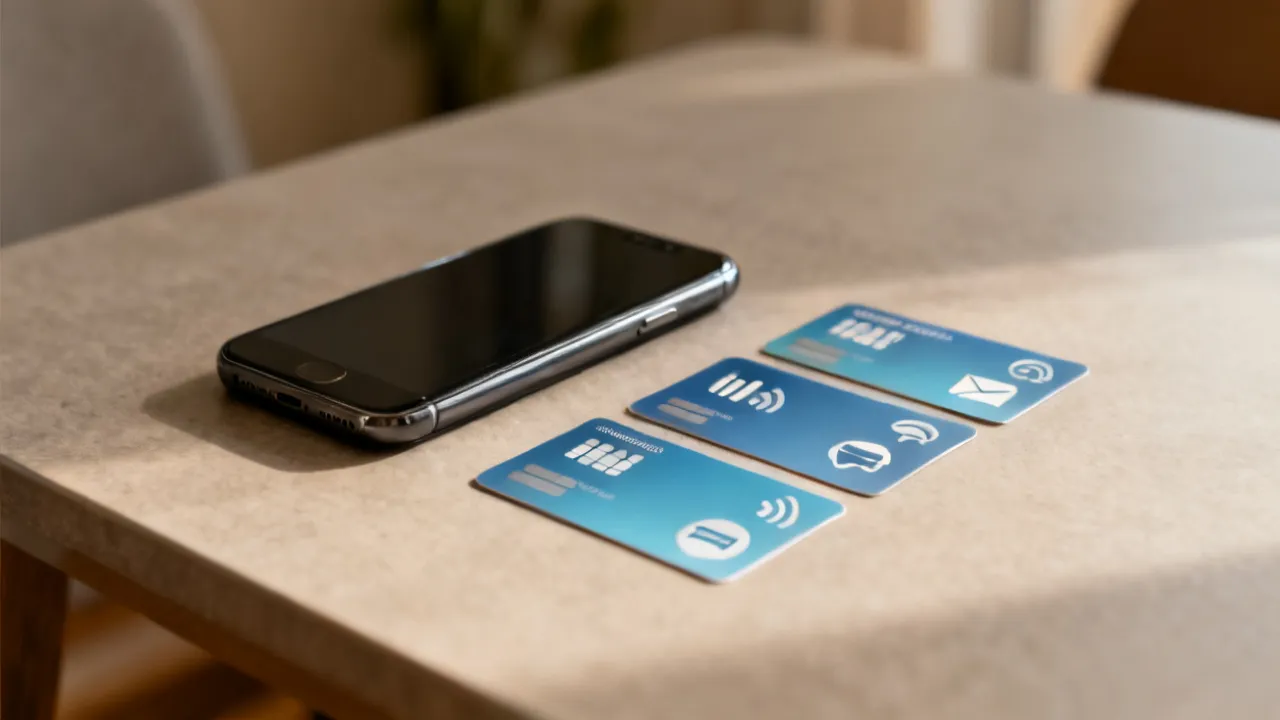
If you say I Need a New Phone, the fastest path is usually to confirm eligibility for government phone benefit programs (commonly linked to Lifeline and, in some cases, ACP) and then apply through providers that participate in those programs. In practice, very applicants focus on three things: (1) whether their household meets the requirements, (2) what services and device options the provider offers, and (3) what documentation is required to complete verification.
From an industry perspective, the very common reasons applications stall are missing documentation, mismatched household information, or choosing a provider path that doesn’t match the applicant’s program category. Planning ahead can reduce delays and help ensure the phone plan setup proceeds smoothly.
Think of the process less like “shopping for a phone” and more like completing a verification workflow that results in an approved wireless service enrollment. Once the enrollment is approved, getting a device (if your provider includes one) usually becomes a logistics step—shipping, activating, and confirming that the plan and phone work on your particular network.
Government-supported phone programs are meant to improve access to communications for qualifying households. Providers participating in these programs typically offer a discounted or fully subsidized wireless service and may include a device—often an Android smartphone—or a bring-your-own-device (BYOD) option, depending on eligibility and availability.
While applicants often start by looking for a “new phone,” it’s helpful to think in terms of a service package (voice, texting, and data) plus a device fulfillment step. Providers differ in how they structure data allowances, whether high-speed data is limited, and what upgrade options cost if you want a premium device or extra data capacity.
Another way to describe the design goal is reliability. For many households, the purpose of a government-supported plan isn’t to provide the fanciest handset; it’s to make sure the household has a dependable connection for essential use—medical appointments, job searches, school communication, emergency calls, two-factor authentication, transportation updates, and family contact. Because of that, providers often prioritize consistent voice and text service and then apply limitations around high-speed data based on what’s affordable under the program rules.
In addition, these programs often include a process for ongoing eligibility review and recertification. That means that even after your initial approval, your account may periodically need verification. Planning for that “after” phase can prevent interruptions months later.
| Provider | Government-supported plan services included | Potential additional package costs |
|---|---|---|
| SafeLink Wireless | Unlimited text and calls; data availability varies by plan and state; typically device options via government program | Premium device upgrades and/or additional data may require payment |
| Assurance Wireless | Affordable Android smartphone availability; unlimited talk and text; data allowances included | Optional upgrades such as additional high-speed data or international calling features |
| StandUp Wireless | Affordable smartphone or BYOD options; unlimited talk and text; data plans included | Premium phone upgrades or extra data available for a fee |
| Access Wireless | Unlimited voice and text; limited high-speed data using Lifeline/ACP benefits | Data boosts and device upgrades may be available for a fee |
| True Wireless | Government-supported phone and plan offerings (voice and data supported through qualifying participation) | Optional upgrades to better devices or additional data plans may cost extra |
Source of the comparison above:
SafeLink Wireless: https://www.safelinkwireless.com
Assurance Wireless: https://www.assurancewireless.com
StandUp Wireless: https://standupwireless.com/
Access Wireless: https://www.accesswireless.com
True Wireless: https://www.gotruewireless.com/
These links are provided as the source for the plan-structure information summarized in the table.
When comparing providers, it’s useful to go beyond the headline “unlimited talk and text.” For many users, the difference between providers shows up in the day-to-day experience: the specific data speed tier, whether your area gets coverage on the carrier network they use, how quickly your data refreshes, and whether customer support can resolve issues like a SIM not activating or an account not fully provisioned after approval.
Also, provider websites sometimes change their catalog of device models. So even if two providers both claim “a subsidized Android smartphone,” you might receive different hardware depending on what inventory is available at the time your order is approved.
To move from “I Need a New Phone” to a working line, you’ll usually follow a verification-based sequence. The exact steps may vary by provider, but the pattern is consistent: eligibility check → application submission → document upload or verification → service activation and device fulfillment (if a device is included).
Because this is verification-driven, the “application flow” matters as much as eligibility. If you submit everything correctly on the first try, you typically move quickly. If your information doesn’t match or your upload is unclear, you may receive a request for follow-up, which can extend timelines.
In practice, people get frustrated when they assume the process is like purchasing consumer electronics online—choose, pay, and receive. Government-supported programs are closer to an enrollment and compliance process. Many providers run applications through automated identity and eligibility checks, but those checks can fail if the data quality is poor or if the household information differs across forms and supporting documentation.
Very providers’ eligibility rules align with federal program structures and may also incorporate state-specific details. Common factors include:
It can also help to consider what counts as a “household.” Many applicants assume a household is just the people on the lease or the people in the same apartment. But in these programs, “household” definitions often connect to shared income and living arrangements. If your household definition is unclear, that ambiguity can cause verification problems even if you believe you personally meet the requirements.
Another eligibility consideration is timing. If you recently enrolled in a qualifying assistance program, you may need to wait until the enrollment is active (or until documentation reflects it) before you can submit. Similarly, if you recently moved, some documents might still show an old address; mismatch can trigger follow-up requests.
To make this checklist actionable, it’s worth translating it into “what you should gather on day one.” For example, many applicants can quickly locate documentation that shows their enrollment in SNAP or Medicaid, or their benefit award letter for SSI. Others may need to request income verification from employers or from a benefits office. If you anticipate needing documentation requests, plan for processing time—especially if you have to go through a local office.
Also, ensure that your phone number or email used during application enrollment is accessible. Some providers send a confirmation code or request additional details via email. If your email account is compromised or you’ve changed addresses, you can get stuck at the exact stage you expected to finish quickly.
Below is a practical, provider-agnostic approach based on how these programs are commonly administered:
Even though the flow looks simple, many of the delays happen around Step 4 and Step 5—when names, addresses, or dates don’t align. A good “planning-first” practice is to create a single source of truth for your application details. Use the exact spelling, punctuation, and formatting from the document you’ll upload. If your document uses “St” but your application form expects “Street” (or vice versa), enter the information in a way that matches the provider’s field logic, not your memory.
For people submitting from a mobile device, it can help to take clear photos of documents rather than relying on blurry screenshots. If you’re photographing a document, take it in bright light, keep the camera steady, and ensure the edges and text are legible. A small lack of clarity can be enough for a verification system to reject the upload.
After approval, the activation step is critical. Many users experience issues when they attempt to use their line before it’s fully provisioned. It’s best to wait for any activation confirmation instructions and then test your SIM or device immediately: make a call, send a text, and use data to confirm the plan is live.
Even when eligibility is similar, provider differences matter when you’re deciding how to meet your daily connectivity needs. Consider these operational differences:
Beyond these factors, there are a few “hidden” differences that often affect satisfaction:
It’s also worth checking whether your provider uses the same underlying network as your previous carrier. Even if a plan is “unlimited,” coverage and congestion determine whether your phone calls sound good and whether your data feels usable.
When people search for a new phone, they often want a guaranteed hardware upgrade. However, for some households, BYOD can be the more efficient route if you already have a compatible handset. From an expert standpoint, the decision should be guided by three practical factors:
To make this decision easier, consider a few common scenarios:
Compatibility is not only about “unlocked.” It can also involve supported network bands, radio technology (LTE/VoLTE support), and whether the phone is provisionable on the specific carrier used by the provider. Some BYOD instructions include check tools or lists of supported models—using those tools is strongly recommended before you commit.
Also consider battery health. Even if the BYOD phone is technically compatible, an old battery can undermine your experience—apps may close unexpectedly, charging may be unreliable, and the phone may shut down during calls or navigation. In that case, a device-included plan can be a practical quality-of-life upgrade.
“Unlimited talk and text” is generally a core promise of these programs. Still, the real-world experience depends on network coverage in your area and how the provider’s plan manages data. Calls may connect well in strong coverage zones, but if signal strength is weak, audio quality can vary.
For data-heavy activities, the key question is not only “do I have data,” but also: how much high-speed data is included and how speeds change after that threshold.
It’s also helpful to understand the difference between “unlimited” and “usable.” “Unlimited” typically refers to the ability to send and receive without a hard cap on talk and text volume. Data is where you’ll often see throttling or a change in speed after a certain amount. Many users discover that light browsing, messaging, and standard navigation are workable, but streaming and large downloads may feel slow after the high-speed allotment runs out.
To set expectations, think about typical app behaviors:
If you expect to rely on your phone for job applications, document uploading, or video interviews, consider whether you may need paid data boosts or a plan that offers a higher high-speed allowance. Some providers let you buy a temporary upgrade. If that upgrade is available, it can bridge the gap between the standard allotment and your occasional heavy use.
In consumer telecom programs, operational friction is a real issue. Common pitfalls include:
A top-practice approach is to gather documents first, then apply, and then monitor your application status. If the provider requests follow-up information, responding quickly is often the difference between approval and a prolonged review cycle.
Here are additional, more granular issues that often don’t get discussed but matter a lot:
To reduce risk, treat your application like a compliance submission. Read each field carefully, and if you’re unsure, pause and compare it to your documents. If possible, apply when you have uninterrupted time to complete uploads and verify that your email and mailing address are correct.
Monitoring your application status can also prevent surprises. Many providers send updates. If you don’t watch for them, you might miss a follow-up request window. If your email goes to spam or promotions folders, you could miss the request. Some people solve this by creating a dedicated folder or checking spam daily for a week after submission.
After your application is approved, the next phase is service activation and (if applicable) device setup. This phase is usually faster than the verification stage, but it has its own potential stumbling points.
Start by reviewing any “next steps” instructions in your approval email or online account. These may include activation instructions, SIM installation steps, or how to complete initial setup using a temporary access method. If your device is shipped, track the package and plan for activation immediately once it arrives.
If you’re switching from an existing phone number, pay attention to number porting instructions. Porting delays can happen if there’s incomplete information, mismatch with the old carrier account details, or timing constraints from the previous carrier. If you experience a delay, don’t assume the approval failed—sometimes the porting is still in progress.
Once active, you should do a quick “functional test” before you rely on the phone for critical tasks:
If anything fails, try the basic troubleshooting steps that don’t require technical expertise: restart the phone, ensure airplane mode is off, confirm the SIM is seated properly, and check for network selection settings. If that doesn’t work, contact the provider with specific details like the error message, time the issue occurred, and what steps you tried.
Having these details ready can speed up support resolution. It’s also helpful to note whether you activated immediately or waited, because some providers require activation to happen within a certain time window after shipment.
Many government-supported wireless plans provide data allowances designed for essential use. That can be enough for internet browsing, email, messaging, and navigation. However, when you compare it to unlimited premium plans, it can feel restrictive because high-speed data is often limited.
Instead of focusing only on the word “data,” focus on the structure. Ask yourself:
You can also use practical habits to extend usability:
Those steps won’t change the plan’s rules, but they can make the standard allowance stretch further. If you have occasional heavy needs (for example, submitting large documents or attending a video call), you can plan around high-speed periods or consider whether data add-ons are available from your provider.
Choosing a provider is not just about selecting a name from a list. It’s about selecting the best fit for your situation—especially your network coverage, your device needs, and your likely support needs.
Here’s a decision framework you can use:
When you evaluate provider details, keep a record of what you choose. For example, if you apply for a plan that includes a device, note the device model shown in your order or confirmation. If you order BYOD, note whether the provider confirms your phone is compatible. This documentation can help if you later need support or if activation doesn’t work on the first attempt.
Even though most providers aim to deliver similar benefits, the “last-mile” experience—shipping delays, activation issues, porting hiccups—can differ. That’s why reading the provider instructions and preparing your information can matter as much as the headline benefits.
If you choose a device-included option, you may receive a subsidized smartphone preselected by the provider. This can be a good value, but it’s smart to prepare your expectations regarding the hardware tier.
Consider:
Before the phone arrives, you can reduce setup time by preparing:
After the phone arrives and you activate the service, it’s a good idea to complete essential updates and app logins while you still have reliable connectivity (and ideally while you have access to Wi-Fi). That can prevent delays in urgent tasks later.
If you already own a smartphone, BYOD can be efficient. However, BYOD introduces technical variables that device-included plans avoid—most notably compatibility and unlocking status.
Before applying, confirm:
If activation fails with BYOD, the most helpful troubleshooting approach is structured:
Because BYOD depends on your phone’s characteristics, you should expect that some trial-and-error may be necessary. The more compatible your phone is, the less time you’ll spend troubleshooting.
It can also help to keep your old phone available during the transition. If you rely on your existing number for two-factor authentication or password resets, you may need that access during the setup period.
Many people want to keep their phone number for personal and professional continuity. In government-supported program enrollments, number porting is sometimes available and sometimes requires additional steps or timing. If porting is important to you, treat it as a key planning element.
Before submitting an application, gather information about your old carrier account—especially the account holder details and the number you want to keep. If your old carrier requires an account PIN or has specific requirements to transfer the number, be prepared.
Typical porting steps can include providing your old account number (or a porting identifier) and sometimes a PIN or security code. If those details don’t match what the old carrier has on file, porting can delay.
After approval, porting can take a few hours or up to a business day depending on the circumstances. During porting, you may experience intermittent service disruptions. Planning for that by using your old phone until the new line is fully active can reduce stress.
Documentation can include proof of program participation (like Medicaid or SNAP approval letters), or documentation supporting income eligibility. Providers may specify acceptable documents and how they must be uploaded.
Regardless of which documents apply to you, making your submission easy to verify increases the chance of first-pass approval. That means:
If you have access to a scanner, that can produce clearer images than phone photography. However, if you only have a smartphone camera, a careful photo can still work.
Also be mindful of personal privacy. Only upload what the provider requests and ensure you’re using the official website (not a look-alike link). Phishing and fake “benefit enrollment” sites are an unfortunate risk whenever people are seeking government assistance.
Once your device arrives (or after BYOD activation), you’ll typically do an activation process and then test functionality. But the setup doesn’t end at “it can call.” You want the phone to perform well for the tasks you actually care about.
Here’s a practical “performance checklist” you can use:
Additionally, consider setting up the phone for your accounts. If you use banking apps, school portals, or government services, check whether you need to update phone numbers for account recovery. Some apps send verification codes by SMS; ensure that your new phone number is properly associated.
It’s easy to assume that if a program is government-supported, everything is free. In many cases, the service and device are deeply discounted, but there can be optional fees depending on device upgrades, additional data, or accessories.
When you review your provider’s available options, pay attention to:
Even small payments can matter for households. If you’re on a tight budget, consider whether you really need premium hardware or if a standard subsidized Android device will meet your needs. For many essential tasks—calls, texts, email, basic browsing—standard devices are sufficient.
Beyond document mismatch, there are a few risk-management topics to consider that protect you from delays and confusion.
When people search for “government free phone” solutions, scam sites sometimes appear in search results. Always confirm the official URL matches the provider’s known site (for example, the official provider links listed above). If you’re unsure, go directly to the provider’s official website rather than using links from email messages.
If your application requires document uploads, keep a copy (on your device or in a secure folder). If a provider requests resubmission due to illegibility, having your original file can speed up the process.
Provide an email address you can access and monitor. Some providers send messages that require action. If your email address is old, or if you don’t regularly check it, you might miss follow-ups.
If the provider includes a phone, delivery schedules matter. If you need the phone urgently (for a job or school deadline), consider whether BYOD is possible for immediate access, or whether the provider offers expedited shipping.
Some programs require activation within a certain time after receiving the device or the SIM. If you receive the phone but can’t activate it quickly, your service may not fully provision until later. When possible, plan to activate within the timeframe specified in your instructions.
Yes. Many government-supported offerings include either a device-included option or a BYOD route. Whether BYOD is available depends on the provider and the phone’s compatibility (such as whether the phone is unlocked and supported on the provider’s network).
If you want the fastest outcome, BYOD can reduce shipping time. However, if your phone is failing or you don’t know whether it’s unlocked, a device-included option might be less frustrating overall. Compatibility is often the hidden factor—confirming it in advance can save days.
Very participating plans include unlimited talk and text, along with data allowances that may include limited high-speed data. Exact data behavior can vary by plan and state, and some providers may offer additional paid upgrades.
In many plans, the data experience is the part that changes based on usage, so understanding the high-speed threshold (if one exists) helps you set realistic expectations for video, streaming, and heavy browsing.
Typically, you apply online with personal and household information, then provide proof of eligibility—either through income documentation or by verifying participation in qualifying government assistance programs. Some providers may use automated verification tools; others may require uploaded documentation.
If your application asks for uploads, make sure your images are legible. A clean, well-lit document photo often leads to faster approval compared to blurry images or partial pages.
Eligibility generally includes meeting an income threshold (often described as a percentage of federal poverty guidelines) or participation in qualifying programs such as Medicaid, SNAP, or SSI. Additional rules may apply depending on program type (e.g., Lifeline vs ACP) and household circumstances.
Also confirm household line limit rules. Even if you and your household members each qualify individually, the program often restricts the number of lines per household under the benefit.
No program can guarantee approval for every applicant. Eligibility and verification outcomes determine whether the application is approved. For specific requirements, always check the provider’s official instructions and timelines.
Even if approval is likely based on your eligibility, document quality and matching details can determine whether verification succeeds on the first submission.
In many cases, yes. Providers may offer additional-cost upgrades to premium phones and/or additional data packages. If you need more capability than the base device plan provides, compare those upgrade options before deciding.
Consider whether you actually need the upgrade. If your priorities are reliable calls, texting, and basic internet, standard devices might be enough. If you rely on data-intensive apps, evaluating data boosts may have a bigger impact than a hardware upgrade.
First, confirm whether the provider requested follow-up documentation or clarification. Then, re-check that submitted details match your eligibility records. Delays often occur due to verification needing additional information.
Respond quickly when follow-up is requested. If you delay responding, your application can remain pending until documents are resubmitted or reviewed again.
If your priority is urgency—keeping your line active and restoring reliable connectivity—start with these steps:
If you need service immediately, also consider whether you can continue using your old phone temporarily until the new line is fully active. Keeping your current access until activation can help you avoid issues with two-factor authentication and account recovery.
Additionally, if you have time to do it safely, gather all documents and verify the spelling of your name and address before you submit. That single preparation step is often the difference between a smooth approval and repeated follow-up requests.
1) The above information comes from online resources, and the data is as of October 2023.
2) This website cannot guarantee that applicants will definitely get a government affordable phone. For specific application requirements and how to obtain it, please refer to the official requirements of the provider. This website will not be updated in real time.
Official provider sources used for the plan-structure comparison: https://www.safelinkwireless.com, https://www.assurancewireless.com, https://standupwireless.com/, https://www.accesswireless.com, https://www.gotruewireless.com/.
Striking the Perfect Balance: Navigating Premiums and Out-of-Pocket Expenses in Senior Insurance Plans

Explore the Tranquil Bliss of Idyllic Rural Retreats

How to Make Lasting Memories at Disneyland Attractions

4rkojvsx Technology: Industry Insights and Buying Guide
Affordable Phones and Plans for Seniors

Affordable Full Mouth Dental Implants Near You

Unlock the Top Kept Secrets to Finding Your Ideal Dentist for Flawless Dental Implant Results!

Discovering Springdale Estates

Unveiling RS Sul Telecom Services

Affordable Phones and Plans for Seniors
Discover the top deals on new phones and plans tailored for seniors, including discounts on 5G technology and unsold models.
Affordable Cell Phones Without Plans
Discover affordable cell phones for sale without plans, exclusive discounts for seniors, and tailored mobile plan options in your area.

Navigating Government Phone Programs
This guide provides an expert analysis of government-supported phone programs for eligible individuals, offering insights into available providers and their services. Affordable phones are often a necessity for individuals under economic constraints, aiding in communication, job searches, and access to emergency services. The article delves into eligibility criteria, application processes, and compares popular service providers in various regions.
Unlocking the Top Cell Phone Deals
Discover unbeatable cell phone discounts, plans, and offers for seniors and iPhone enthusiasts without contracts.
Navigating Affordable Phone Offers
Discover the essential details about government-assisted phone programs aimed at providing budget-friendly devices to eligible individuals. These programs offer complementary mobile phones and services to qualified beneficiaries, ensuring connectivity at minimal expense. This guide breaks down how to access such benefits and what conditions apply.
How to Apply for a Affordable Phone
This guide provides insights on how to apply for a affordable phone through government-sponsored programs. Understanding how these programs operate and their eligibility requirements is essential. These initiatives aim to support individuals in low-income households or those enrolled in specified government assistance programs by providing basic communication tools.