Makerphone 2.0 represents a practical evolution in device strategy for connected users, while government-supported phone programs help qualifying households reduce monthly communication costs. This guide explains how major U.S. Lifeline-related providers work, what services are typically included, and how eligibility and application steps are handled—so you can compare plans objectively before choosing a smartphone option.
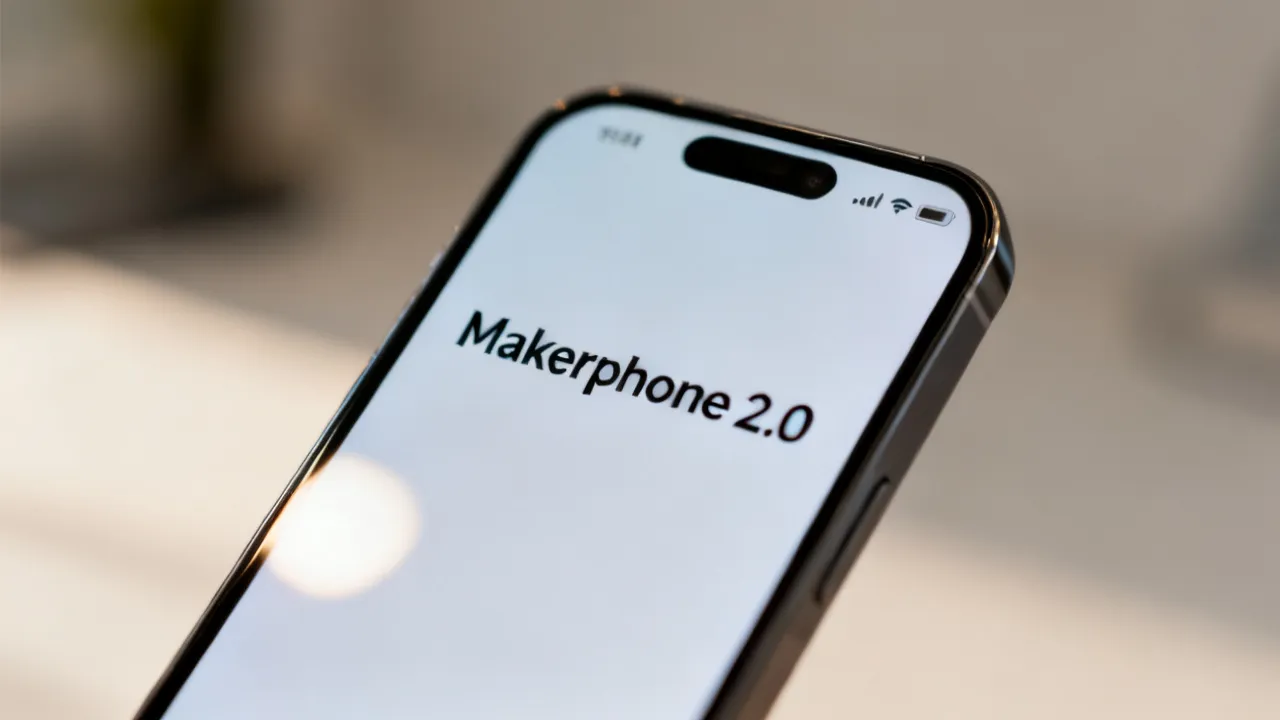
Makerphone 2.0 is best understood as part of a broader market shift: device ecosystems are increasingly paired with eligibility-based connectivity programs that lower barriers to getting online and staying reachable. For consumers, that means the “phone” is often only one piece. Service allowances, plan rules, network constraints, and verification steps can be just as important as the handset itself. When affordability programs work well, they help people maintain contact for work, school, family support, healthcare appointments, and essential services. When they don’t, small frictions—like a mismatch in device compatibility or misunderstanding of data speed tiers—can create frustration and reduce the real value of the program.
In parallel, multiple government-supported wireless options (commonly connected to Lifeline and related initiatives) may provide voice, text, and a set amount of data through participating carriers. The specific benefits vary by provider and by state rules, but the overall purpose is consistent: to support eligible households with essential communications. The practical impact is that a qualifying customer may access a subsidized plan for a fraction of the typical cost, often with an option to receive a device or to use a compatible one through a bring-your-own-device pathway (where offered).
Makerphone 2.0, in the way people use the term in everyday conversations, is often used as shorthand for a “new generation” of phone experiences that emphasize reliability, frequent updates, practical usability features, and a more deliberate device lifecycle. Even when a specific handset is not directly bundled into a government program, the implication is similar: if you rely on a subsidized plan, then the usability of your device affects whether the plan actually meets your needs. A stable connection, an operating system that receives security updates, and a phone that can handle essential apps (messaging, navigation, telehealth, document submission, and email access where relevant) all influence whether the affordability program meaningfully improves daily life.
This matters because “affordability” isn’t only about monthly price. It includes the ability to use the service without constant interruptions, to access emergency resources, to receive verification codes, and to keep important accounts active. In modern life, phones aren’t just for calling; they serve as authentication tools and daily workflow platforms. For many eligible households, the subsidized plan is the main communications backbone. Therefore, affordability programs must be understood as ecosystems—handset capability plus network provisioning plus data allowance behavior plus ongoing eligibility compliance.
Below is a high-level comparison of prominent Lifeline-connected government phone providers. The focus is on the types of services included and whether additional paid upgrades may apply. Service availability can differ by state and plan details, so readers should confirm specifics during application. Also, while the programs share a common goal, each participating carrier can implement terms differently—for example, how data is categorized as high-speed versus limited, how throttling works, whether hotspot is supported, and what device options are offered at enrollment.
| Provider (official site) | Typical services included | Potential additional package costs |
|---|---|---|
| SafeLink Wireless | Unlimited text and calls; data availability depends on the plan. Many plans include a limited high-speed data allowance. | Upgrades to premium device tiers or additional/boosted data may involve charges. |
| Assurance Wireless | Unlimited talk and text; data allowances vary by plan; commonly provided via an eligible smartphone option. | Optional upgrades (e.g., higher high-speed data tiers) and add-ons such as international calling may cost extra. |
| StandUp Wireless | Unlimited talk and text; data plan details vary; may offer device options or BYOD paths. | Premium device upgrades and extra data may carry fees. |
| Access Wireless | Unlimited voice and text plus limited high-speed data under Lifeline benefits; data and plan specifics depend on the program. | Data boosts and device upgrades can require additional payment. |
| True Wireless | Government-supported phone and service plan structure varies, generally including voice and data allowances for eligible users. | Optional upgrades to better devices or additional data packages may cost extra. |
Source of information:
https://www.safelinkwireless.com
https://www.assurancewireless.com
https://standupwireless.com/
https://www.accesswireless.com
https://www.gotruewireless.com/
Source note: The table information is summarized from the providers’ official program pages, intended to support plan comparison rather than serve as a binding offer. Because these programs can change, the most reliable practice is to verify details at the point of application and at the point of device selection.
Very government-supported phone programs for eligible households operate through a combination of carrier participation and eligibility verification. In many cases, qualifying residents can receive a subsidized wireless plan (and sometimes a device) after meeting program conditions and completing documentation checks. These programs are typically associated with Lifeline and other affordability initiatives administered under federal and/or state rules.
While the high-level steps are similar across providers, the mechanics can feel complex to a first-time applicant. Providers commonly build their process around preventing duplication of benefits and ensuring the applicant is truly eligible. That means you may be asked to provide identifying information, household information, and proof that your income or participation in qualifying programs meets requirements. In addition, some programs may require periodic re-verification to continue service. This recertification is a core part of the system: it is designed to keep benefits tied to those who remain eligible.
Another practical element is the “integration” between device and plan. A government-supported plan might specify network bands, device model capabilities, or software provisioning requirements. When a provider ships a device, the device is typically ready to work on their network once activated. When you bring your own device (BYOD), you need to confirm compatibility ahead of time; otherwise, activation may fail or features may not work as expected (such as messaging or data configuration).
In the context of Makerphone 2.0, this ecosystem perspective matters even more. A device that lacks certain network support, cannot properly receive provisioning updates, or experiences frequent system instability can cause the plan to underperform. For example, a handset that is prone to overheating or drains battery quickly may force you to manage charging more actively—something many households already struggle with due to cost constraints. Likewise, a phone without ongoing security updates may make app usage riskier, especially if you need mobile banking or two-factor authentication. Even though affordability programs focus on cost reduction, the day-to-day outcome depends on how well the device and plan align.
While exact details can vary by carrier and state, qualification generally depends on income thresholds or enrollment in specific assistance programs. Providers commonly request proof documents and verify identity and address. The core idea is that your household qualifies under a recognized standard, such as income based on federal poverty guidelines or participation in certain government programs.
In practical terms, applicants should treat eligibility paperwork as a “bundle” rather than a single document. A common source of delays is when someone prepares only one part—like proof of identity—but forgets address verification or doesn’t include the specific eligibility document required. Another common issue is the mismatch between the household information provided and what appears on official records. Since the verification process is designed to be strict, applicants should use consistent details across applications, documents, and any follow-up communications.
Eligibility criteria can sound abstract, but you can translate them into an action plan: identify the pathway that applies to you (income versus enrolled assistance), gather your documents accordingly, and ensure that the documents match the program requirements for your specific carrier. If you are applying for service on a specific date, it’s also wise to confirm that your documents are current enough to be accepted. For instance, some carriers accept recent statements, while others require documentation issued within a specified window. Checking the carrier’s instructions can prevent avoidable delays.
The application process is designed to confirm that applicants meet requirements and are receiving only one discounted benefit where applicable. Below is a practical, provider-agnostic workflow you can use to plan ahead. Even though each carrier’s interface and document upload steps may differ, the logical sequence is generally consistent.
In consumer conversations, “Makerphone 2.0” often surfaces as shorthand for a newer approach—think modularity, iterative software updates, and a more intentional device/service pairing. Even when a specific handset is not part of a government plan, the strategic implication is the same: when households use eligibility-based wireless programs, the device experience becomes a key decision factor.
Battery life, network compatibility, update support, and charging behavior can directly affect daily usability. For example, someone using telehealth or messaging-based healthcare check-ins may rely heavily on data stability. If data performance is limited by plan allowances, having an efficient device and good connectivity behavior can help the user get the most from the available bandwidth. Similarly, if a phone’s software update cycle is short or the device is slow, it may struggle with modern applications, causing delays and making it harder to handle essential tasks like forms, appointment reminders, or two-factor authentication codes.
Industry observers also note a broader trend: carriers and device ecosystems increasingly favor predictable performance and standardized onboarding. That means phones that are better supported by current networks and provisioning processes can reduce the “activation friction” that some users experience. Before focusing on a particular phone brand or model, it’s wise to confirm whether your intended handset is supported for your plan pathway—whether you receive a device from the provider or bring your own device where available.
Because government-supported programs can involve limited device options, the “Makerphone 2.0” framing can still help consumers think in a useful way: you are not only buying service—you are adopting a device experience that needs to match your lifestyle. That lifestyle might include frequent messaging, navigation for work, calling family members, or using apps that rely on push notifications. A device that supports notification reliability and has strong app compatibility can be as important as the phone number itself.
Below is an analytical overview of how the major carriers listed above are commonly positioned in the government-supported wireless ecosystem. This is not promotional; it reflects typical service structures and the kinds of choices users encounter. Because details can vary and rules can evolve, readers should treat this as a decision framework rather than a guarantee of specific features.
SafeLink Wireless is widely recognized for offering eligibility-based wireless service through a subsidized plan structure. Users generally consider the handset option (when offered) and the included allowances for calls, text, and data. Additional costs may appear when users select premium device tiers or request added data beyond the base allowance.
For decision-makers, the practical takeaway is straightforward: treat the included data allowance as the baseline and evaluate whether optional “boosts” fit your usage (streaming, navigation, telehealth, or hotspot use). Many subscribers underestimate how quickly data can be consumed by certain activities—video, large downloads, and frequent app updates—especially on limited high-speed tiers. If you rely on maps, messaging apps, or occasional video calls, it helps to monitor usage early to understand whether you need a boost.
Another key evaluation point is device readiness. If you receive a device from SafeLink, activation is often smoother. If you bring your own device, you should verify that it meets the program’s compatibility guidelines. Incompatibility can result in missing features, unstable data, or delayed activation. In Makerphone 2.0 terms, this is where device ecosystem alignment matters: even if your phone “works,” it must work reliably for the essential tasks you need most.
Assurance Wireless commonly centers its program around an eligible Android smartphone path, with unlimited talk and text and data allowances that vary by plan. Some upgrades—such as higher data tiers or specialized add-ons—may involve extra charges.
From an expert standpoint, the very common point of confusion for new applicants is assuming the plan includes unlimited high-speed data. Clarifying the definition of data speed tiers and the conditions under which throttling or allowances apply can prevent unexpected limitations later. For example, some plans may provide a certain amount of high-speed data and then continue service at reduced speeds. That can still be sufficient for texting, calling, and basic browsing, but it can affect the responsiveness of heavy applications.
Potentially, a consumer can mitigate these issues by adjusting app behavior: disabling high-definition video in certain streaming apps, limiting background downloads, using Wi-Fi when available, and turning on data saver modes. For households that depend on online resources for work or benefits, even small efficiency changes can extend the usable lifespan of the plan’s high-speed allowance.
Assurance applicants should also pay attention to device model selection. If the plan includes a particular phone option, it can be worth asking whether the device is frequently updated or whether it supports the apps you rely on. Makerphone 2.0 framing encourages thinking about longer-term usability. A phone that receives security updates reduces risk, while a slower device can create “hidden costs” in time and frustration—costs that are particularly important for people who already handle many responsibilities.
StandUp Wireless typically presents a combination of device options and BYOD availability depending on program rules. The service package generally includes unlimited talk and text plus data allowances tied to the specific plan configuration.
In practice, applicants should compare (1) whether their preferred device is eligible for BYOD, (2) whether the service structure aligns with their monthly usage, and (3) what “extra” options cost if they need more capacity. For many users, the cost question is not only about the monthly plan. It is also about what happens after the high-speed portion is consumed. If someone frequently uses navigation, sends large attachments, or uses video-based communication, they may need additional data. Understanding the pricing and how to add it is essential.
StandUp is also a good example of why clarity matters around activation and provisioning. If you choose a device path that requires special steps—such as installing carrier configuration profiles or confirming SIM/eSIM readiness—you should schedule time to complete those steps. A delayed activation might mean missed calls or inability to receive verification codes, which can create a ripple effect across other accounts.
Makerphone 2.0 relevance appears here as well: iterative software updates and stable performance can reduce the likelihood that provisioning-related settings become corrupted or that the phone behaves unpredictably after configuration changes. The more reliable the device, the more likely the plan will be “usable out of the box,” which is often what people need when they’re receiving a subsidized service under time-sensitive circumstances.
Access Wireless often highlights a plan structure that includes unlimited voice and text plus limited high-speed data under the relevant affordability benefits. Additional paid services may include device upgrades and data boosts.
For users in areas where coverage is variable, the expert approach is to evaluate not only plan features but also real-world signal performance in daily locations—home, workplace, and commuting routes—before deciding on a device and plan mix. Even if the plan offers a certain data allowance, poor signal can reduce the practical ability to use data at all. That can lead users to feel like the plan is “too limited,” when the real issue is coverage or network congestion in their specific area.
If you are considering a device upgrade, it’s also worth considering whether the device supports modern network features that can improve reliability—such as better antenna design, support for relevant LTE/VoLTE configurations, or stable Wi-Fi performance when signal is weak. Makerphone 2.0 as a conceptual lens pushes consumers to think about reliability and iterative improvement rather than only headline specifications.
Access Wireless applicants may also want to look carefully at how quickly data can be consumed by frequently used apps. Even if high-speed data is limited, you can stretch it by using data compression modes where available, limiting auto-play features, and ensuring that apps do not constantly refresh in the background. These are not “premium” tactics—they are practical strategies that help households make the most out of affordability programs.
True Wireless is commonly associated with government-supported phone and plan availability for qualifying customers. The core of the experience typically includes voice and data allowances, with optional upgrades for better devices or additional data packages.
As with other providers, verifying device and service compatibility is important. Some plans may be tied to specific device models or network configurations, which can affect usability even when basic service is available. Compatibility affects more than whether you can make calls. It can also determine whether you can reliably access mobile data, send and receive multimedia messages, and receive over-the-air updates without errors.
Because some providers offer device options while others emphasize BYOD availability, True Wireless users should treat device selection as part of the plan. If you rely on certain apps—such as messaging for family coordination, school portals, job applications, or healthcare systems—test those apps for basic functionality when possible. If you are receiving a device, check whether it has the storage and performance needed to run the apps you need. If you are bringing your own device, confirm compatibility and anticipate any configuration steps required.
In Makerphone 2.0 terms, the goal is to prevent a scenario where the subsidized plan is “technically available” but operationally frustrating. A phone with poor performance can become a barrier even when connectivity exists. So the device’s usability is not incidental; it is central to the real value of the affordability program.
Whether you’re exploring Makerphone 2.0 as a device concept or selecting a government-supported plan, the comparison method matters. The following checklist helps you evaluate offers with fewer surprises. The main difference between a casual comparison and a more analyst-like approach is that you treat every “small” limitation as potentially significant in real-world usage.
From an expert lens, many consumer issues stem from mismatched expectations rather than outright misinformation. Common pitfalls include:
To avoid these pitfalls, adopt a “check twice” habit. Before submitting an application, confirm the document set and the details you’re entering. After activation, confirm that voice, text, and data work reliably. And if you receive a device, test the apps you rely on most within the first days—messaging, email/portal access if relevant, map navigation, and any healthcare authentication flows.
Makerphone 2.0 is typically used as a framing term for a newer “generation” of phone experiences—often emphasizing updated software, a more deliberate hardware iteration cycle, and improved usability. In plan selection, the key practical question is how the device’s capabilities align with the carrier’s network and the user’s data and call needs. In an affordability-program context, Makerphone 2.0 thinking encourages you to evaluate device reliability, update support, battery management, and app compatibility—not only the subsidized service price.
Not always. Many participating providers offer a handset option for eligible applicants, while some program paths may allow bring-your-own-device. Whether a device is provided depends on the specific provider and plan rules during application. If a device is not included, you may need to confirm compatibility yourself before applying, so that activation is not delayed by device issues.
Providers commonly include unlimited voice and text. Data is typically included as an allowance that may be limited high-speed or tiered by plan, with optional paid upgrades sometimes available. The “unlimited” label typically applies to voice/text, while data often involves high-speed limits and reduced-speed continuation. Understanding this distinction is important for expectations around streaming, video calls, and heavy browsing.
Applicants typically need proof of identity, proof of address, and documentation showing eligibility through income criteria or enrollment in a qualifying assistance program. Exact document lists vary by provider and state. Applicants should review the carrier’s application page closely and ensure document images are readable and complete.
Timing varies based on verification steps and document completeness. Applicants who submit accurate information and clear eligibility proof generally experience faster processing. Some applicants may face delays if documents are unclear or if the eligibility verification system needs follow-up. For exact timelines, applicants should consult the chosen provider’s application page and any status updates provided during the process.
In some cases, yes—some carriers allow bring-your-own-device (BYOD) where supported. Device eligibility, network compatibility, and provisioning requirements must be confirmed during the application process. If BYOD is allowed, it’s often best to verify compatibility before completing the application so that activation is not blocked later.
No. Optional upgrades—such as premium handset tiers or increased data—may involve additional costs. The baseline government-supported plan terms should be treated separately from paid add-ons. To avoid budget surprises, applicants should check the pricing for upgrades and understand whether upgrades are one-time, recurring, or subject to any usage conditions.
Denials can occur due to incomplete documentation, incorrect eligibility details, or failure to pass verification steps. Applicants can usually review the reason provided (when available) and reapply after correcting issues, following the provider’s guidance. Keeping copies of submissions and document versions can help you troubleshoot why verification failed.
State rules can influence program availability and plan configuration. Even within the same provider, benefits may vary by region, making it important to confirm plan details during application for your location. Because eligibility rules can be updated and carriers can adjust offerings, checking the provider’s state-specific documentation is a practical necessity.
No. Approval depends on eligibility verification and program rules. Applicants should review official requirements and submit accurate documentation to maximize the chance of approval. If you don’t qualify now, you might re-check eligibility later if your income changes or if you become enrolled in a qualifying assistance program.
To ensure readers can verify program frameworks, the government-supported wireless concept is commonly associated with Lifeline and affordability initiatives administered through federal and state mechanisms. Eligibility thresholds and program rules are described by official sources, and carriers implement their specific verification and plan fulfillment processes in accordance with those rules.
Because affordability programs exist within a policy environment that can change over time, readers should treat provider pages as the authoritative reference. The application process, the list of qualifying documents, and the specifics of plan data allowances can vary and may be updated. When comparing programs or planning a device selection, prioritize the latest official information on the carrier’s website and the application workflow shown to you in your specific state.
In the context of Makerphone 2.0, this background also supports a broader principle: technology changes faster than many people can track. Phones evolve, networks are updated, and security requirements shift. A device that is acceptable at one time may become outdated sooner than expected. Therefore, it’s useful to think of device selection and plan selection as a combined decision. If you can choose a device or confirm update support, do so with the long-term in mind so that the subsidized service remains usable and secure across ordinary daily needs.
1). The information above comes from online resources, and the data is as of October 2023.
2). This website cannot guarantee that applicants will definitely get a government affordable phone. For specific application requirements and how to obtain it, please refer to the official requirements of the provider. This website will not be updated in real time.
https://www.safelinkwireless.com
https://www.assurancewireless.com
https://standupwireless.com/
https://www.accesswireless.com
https://www.gotruewireless.com/
Note: The table and provider details in the article are summarized from the providers’ official program pages listed above.
Striking the Perfect Balance: Navigating Premiums and Out-of-Pocket Expenses in Senior Insurance Plans

Explore the Tranquil Bliss of Idyllic Rural Retreats

How to Make Lasting Memories at Disneyland Attractions

4rkojvsx Technology: Industry Insights and Buying Guide
Affordable Phones and Plans for Seniors

Affordable Full Mouth Dental Implants Near You

Unlock the Top Kept Secrets to Finding Your Ideal Dentist for Flawless Dental Implant Results!

Discovering Springdale Estates

Unveiling RS Sul Telecom Services

Affordable Phones and Plans for Seniors
Discover the top deals on new phones and plans tailored for seniors, including discounts on 5G technology and unsold models.
Affordable Cell Phones Without Plans
Discover affordable cell phones for sale without plans, exclusive discounts for seniors, and tailored mobile plan options in your area.

Navigating Government Phone Programs
This guide provides an expert analysis of government-supported phone programs for eligible individuals, offering insights into available providers and their services. Affordable phones are often a necessity for individuals under economic constraints, aiding in communication, job searches, and access to emergency services. The article delves into eligibility criteria, application processes, and compares popular service providers in various regions.
Unlocking the Top Cell Phone Deals
Discover unbeatable cell phone discounts, plans, and offers for seniors and iPhone enthusiasts without contracts.
Navigating Affordable Phone Offers
Discover the essential details about government-assisted phone programs aimed at providing budget-friendly devices to eligible individuals. These programs offer complementary mobile phones and services to qualified beneficiaries, ensuring connectivity at minimal expense. This guide breaks down how to access such benefits and what conditions apply.
How to Apply for a Affordable Phone
This guide provides insights on how to apply for a affordable phone through government-sponsored programs. Understanding how these programs operate and their eligibility requirements is essential. These initiatives aim to support individuals in low-income households or those enrolled in specified government assistance programs by providing basic communication tools.