If you’re planning to get a new phone without a large upfront expense, this guide explains how U.S. government-supported phone programs can help. It compares major Lifeline-related providers and clarifies what services may be included, what costs can apply for upgrades, and how eligibility is verified through online applications. The comparison is grounded in official program guidance.
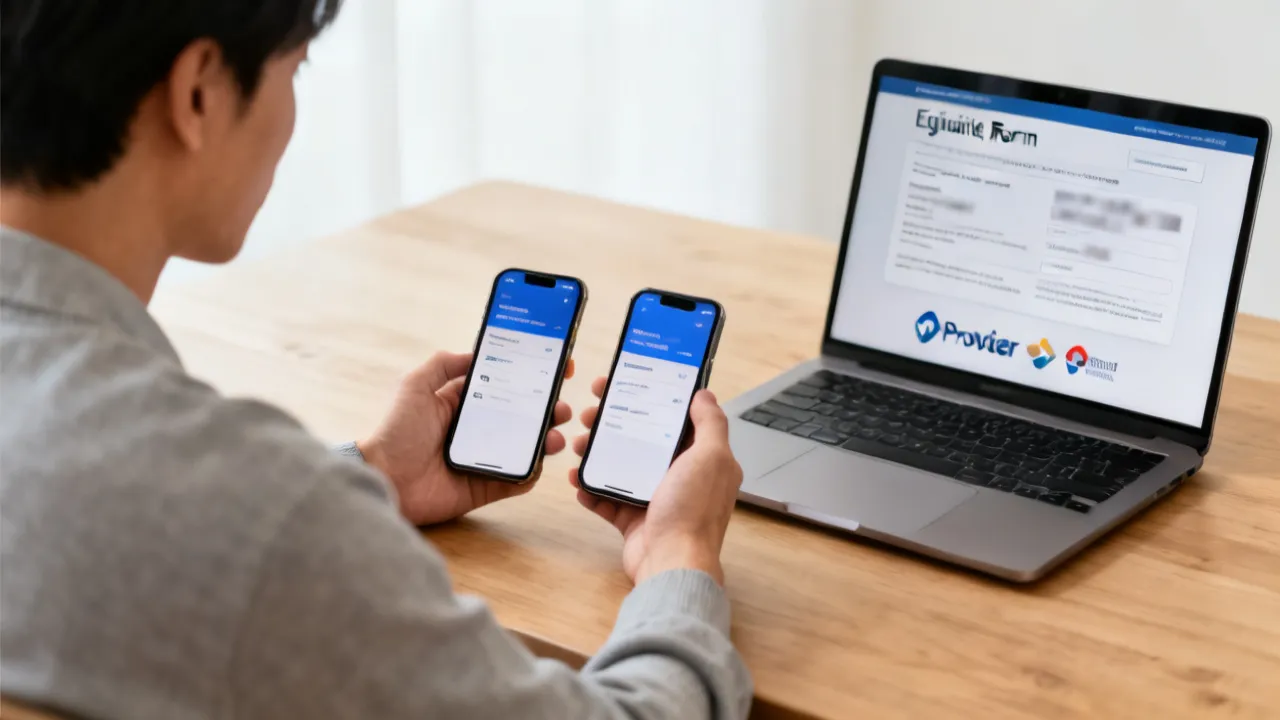
If you’re answering the question “I Need a New Phone,” the fastest way to avoid wasted time is to match your situation to a government-supported phone program (often tied to Lifeline and related affordability initiatives). In practice, providers look for qualifying circumstances such as income thresholds or enrollment in assistance programs, then offer a device and wireless service under a specific plan structure. Some plans include basic voice and text with limited high-speed data; device and data upgrades are typically optional and may cost extra.
Below, you’ll find a practical comparison of major providers commonly used for Lifeline-eligible wireless service—plus a step-by-step application overview and the requirements you’ll need before you begin. The goal is to help you move from “I need a new phone” to a clear, actionable plan: confirm eligibility, choose the right provider and device option (subsidized smartphone vs. BYOD), submit documents, and then activate service correctly.
Very government-supported wireless offerings are designed to help with essential connectivity: staying reachable by phone, sending text messages, and accessing a baseline amount of data for everyday needs. Whether you want to replace a damaged handset, correct a carrier compatibility problem, or simply upgrade to a more reliable Android device, these programs can be a starting point—especially when you want predictable service levels and assistance toward device access.
From an industry perspective, the typical cost logic is straightforward:
However, there are some important “real-world” details people often miss when they search quickly online. Government-supported wireless can look similar on paper, but the practical experience depends on:
So, when you’re preparing to request a new phone through a government-supported program, it’s smart to think in terms of “pathways.” The pathway you choose (subsidized device vs. BYOD) affects which steps you should prioritize, what documentation you need, and what costs may appear later if you upgrade beyond the base plan.
This table summarizes the providers’ core government-supported wireless positioning and what kinds of extra costs may apply (device upgrades, data boosts, or optional services). For the very accurate wording about included plan terms, always consult the provider’s official materials.
| Provider (Official Program Site) | Government-supported plan services (typical inclusions) | Potential additional package costs |
|---|---|---|
| SafeLink Wireless | Subsidized smartphone or bring-your-own-device (BYOD) options; unlimited talk and text; data depending on plan/state | Premium device upgrades; additional data options if you choose more capacity |
| Assurance Wireless | Affordable Android smartphone (for eligible applicants); unlimited talk and text; data allowance per plan | Optional high-speed data or international calling add-ons |
| StandUp Wireless | Subsidized smartphone or BYOD options; unlimited talk and text; data plans per eligibility program terms | Premium phone upgrades; extra data options |
| Access Wireless | Unlimited voice and text; limited high-speed data as available under eligible benefits | Data boosts; device upgrades offered for a fee |
| True Wireless | Government-supported phone access; voice and data plan structure under eligibility programs | Optional upgrades to better devices or additional data plans |
Source of information (official websites):
source: [www.safelinkwireless.com](https://www.safelinkwireless.com)
source: [www.assurancewireless.com](https://www.assurancewireless.com)
source: [standupwireless.com](https://standupwireless.com/)
source: [www.accesswireless.com](https://www.accesswireless.com)
source: [www.gotruewireless.com](https://www.gotruewireless.com/)
Note: The availability of specific data amounts and device models can vary by state, program rules, and inventory. Providers may also offer different configurations for new activations versus BYOD transfers. Because these details can change, you should treat any plan description you see online as “directional” until you confirm the specific allowances in the enrollment confirmation or plan terms at checkout.
These services are very relevant when your need is both practical and time-sensitive—such as:
It also helps to consider “life context.” Many people discover Lifeline-based options after an event like:
Importantly, these programs are not “carrier discounts” in the usual sense. They are benefit-based offerings that require verification, and they are subject to ongoing eligibility and usage rules. That means the best approach is not to treat it as a one-time checkout page—it’s more like an onboarding into a program that you may need to maintain over time.
Because the application process is a core part of actually getting a new phone, plan your workflow before you start clicking around. Below is a generalized process aligned with how Lifeline-linked programs typically operate. While exact steps vary by provider and state, the order of operations below is designed to help you avoid the most common points of friction: missing documents, mismatched personal information, or choosing BYOD without confirming device compatibility first.
While each provider may request specific documents and may use state-specific workflows, the core eligibility concepts are generally consistent:
To make this easier, think of eligibility as belonging to one of two buckets:
Additionally, when you apply, you may need to ensure you are not duplicating benefits. Programs often require that you only receive one Lifeline-supported line per qualifying household (with some exceptions depending on federal/state rules and the specific program). If you have more than one line under different programs, or if someone else at your address is already enrolled, you’ll want to confirm you’re eligible to enroll before submitting.
Finally, some applicants are eligible but still encounter delays because their documentation is outdated or their name and address do not match the provider’s expected records. That’s why it’s smart to gather documents early and double-check details like spelling of names, address formatting (unit numbers, apartment designations), and identifying information.
Below is a step-by-step workflow you can follow to apply efficiently. If you want to reduce time, aim to complete everything in one session by keeping your documents and phone number ready.
In addition to the basic steps, it can help to prepare for the “activation reality.” If your need is urgent, plan for the possibility that device shipment could take time. If you already have a compatible phone, BYOD may allow faster activation (depending on network provisioning speed). If you need service the same week, consider whether you can activate before the device arrives, if the provider supports that workflow.
Also, be mindful of contact details during the application. If your email or phone number is incorrect, you may miss verification requests or shipping instructions. Keep a reliable email address and a number you can access during the verification window.
From an operations standpoint, very verification steps exist to prevent duplicative benefits and confirm the identity and eligibility of the applicant. In practical terms, you might be asked to confirm personal information, provide documentation, or follow provider-specific instructions. If a submission is incomplete, it can delay approval.
Here are common verification patterns you may encounter:
If your verification is delayed, you may be asked for additional documentation. The fastest way to resolve it is usually to respond promptly and ensure the requested proof is current (not expired) and legible.
Another factor is timing. Some applicants apply around holidays or weekends, which can delay the provider’s internal review or shipment processing. If you have a near-term deadline (such as a medical appointment requiring reachable phone contact), consider applying as early as possible and preparing a temporary workaround (like scheduling communications via email or a backup contact method) until activation is complete.
When people search for “I Need a New Phone,” they often assume every provider is the same. In reality, differences tend to show up in device model options, data allowance structure, and the exact activation process. Here are expert-level criteria you can use to compare effectively:
To apply these criteria, you can also use a practical checklist based on your daily phone usage:
If you answer these questions before choosing a provider, you’ll be better positioned to avoid receiving a plan that doesn’t match your usage. That mismatch is one reason people feel disappointed after activation—even when they are technically approved.
Wireless affordability programs operate in a regulated ecosystem. Providers must reconcile eligibility verification, compliance requirements, and network delivery standards. As an expert reviewer, I’d summarize the “success factors” for applicants as follows:
To expand on each success factor with more “real life” guidance:
Even when a program positions itself as providing a subsidized device or service, additional charges can appear when you:
Therefore, when you need a new phone, the top strategy is to evaluate the base plan first and then decide later whether an upgrade is genuinely necessary. The “upgrade” moment can be the easiest place to accidentally add costs, especially if the provider’s checkout flow offers optional add-ons that are preselected.
Here’s a more detailed way to think about costs so you don’t get surprised:
To stay in control, you can treat the application as two phases:
No. Many applicants apply because their current device is not reliable, but qualification is generally based on eligibility requirements. After approval, you’ll follow the provider’s activation and device delivery steps. If your current phone can be used, some programs support BYOD options. In that case, you may activate service right away once your device meets compatibility requirements.
If your phone is damaged but still partially works (for example, you can still access calls/text but the screen is broken), you may be able to complete activation while waiting for a subsidized replacement. Still, if you cannot reliably receive verification codes or manage account steps, it may be better to opt for the subsidized device path so you have a functioning phone sooner.
Device availability can vary due to inventory, plan configurations, and eligibility verification outcomes. Providers generally describe the kinds of devices you may receive (or the option to use your own compatible phone), but exact model selection may depend on what’s available at the time.
It’s also common for providers to offer a “model range” rather than a guarantee of a single specific handset. If you have strict preferences—like a need for an unusually large screen, a particular Android version, or a specific camera quality—plan to confirm your options as early as possible in the enrollment flow or by contacting customer support.
In many government-supported offerings, unlimited talk and unlimited text are core components. However, you should confirm the exact terms on the provider’s plan details during enrollment because program configurations and state availability can affect how services are packaged.
Also, “unlimited” doesn’t always mean “no restrictions.” Some plans may include fairness or technical limitations (for example, restrictions on unusually high usage patterns). If you rely heavily on voice minutes, it’s smart to ask customer support what the practical limits are for your usage type.
Many providers include a baseline data allowance, and some offer additional high-speed data or “data boost” options for extra charges. If your usage is heavy, compare base allowances first, then consider whether upgrades are worth the cost.
To decide whether an upgrade makes sense, think about the difference between:
If your main need is reliable communication for appointments and basic internet tasks, a baseline allowance may be enough. If your work depends on mobile data for documents, training videos, or daily map usage, consider upgrades sooner rather than later—after you understand the charges and tradeoffs.
It’s usually top to gather documentation before submitting. Many providers require proof of eligibility (income or program participation) and may require uploads or specific verification steps. If you’re missing documents, you may need to obtain them from the relevant assistance program office or your state documentation systems.
Common document issues include expired letters, incomplete forms, or documents that don’t include the necessary identifying information. If that happens, contact the benefit program (Medicaid/SNAP/SSI/housing assistance) directly to request an updated proof of participation. When you receive updated documents, confirm they include the information your provider needs (names, dates, and program identifiers).
Very major providers offer online application forms. After submission, you’ll typically complete verification by uploading documents or completing an eligibility verification workflow.
If you don’t have reliable internet access, you might still be able to apply through help from community organizations, public libraries, or via provider support channels that guide you through alternatives. Some applicants also coordinate with a family member or trusted advocate to assist with scanning documents and completing forms. Just ensure you’re comfortable with how personal information is shared.
Often, enrollment in certain assistance programs (such as Medicaid, SNAP, SSI, or FPHA) can support eligibility. Eligibility still depends on meeting program rules and verification requirements, but prior participation is commonly a qualifying pathway.
However, having benefits doesn’t guarantee approval in every case. Your benefits must be current, and your household situation must align with Lifeline program requirements. If you recently started benefits or had a change, your documentation should reflect your current status so your provider can verify quickly.
Delays can occur due to incomplete documents or verification issues. If denied, review the reason provided by the provider and correct any mismatches in submitted information. For complex cases, contacting provider support can help clarify what additional documentation is needed.
When you receive a denial, pay close attention to the reason. Common reasons include:
If you believe the denial was in error, you may have options to appeal or resubmit with corrected documentation. Keep copies of everything you submit so you can quickly address the issue.
1). The above information comes from online resources, and the data is as of October 2023.
2). This website cannot guarantee that applicants will definitely get a government affordable phone. For specific application requirements and how to obtain it, please refer to the official requirements of the provider. This website will not be updated in real time.
Striking the Perfect Balance: Navigating Premiums and Out-of-Pocket Expenses in Senior Insurance Plans

Explore the Tranquil Bliss of Idyllic Rural Retreats

How to Make Lasting Memories at Disneyland Attractions

4rkojvsx Technology: Industry Insights and Buying Guide
Affordable Phones and Plans for Seniors

Affordable Full Mouth Dental Implants Near You

Unlock the Top Kept Secrets to Finding Your Ideal Dentist for Flawless Dental Implant Results!

Discovering Springdale Estates

Unveiling RS Sul Telecom Services

Affordable Phones and Plans for Seniors
Discover the top deals on new phones and plans tailored for seniors, including discounts on 5G technology and unsold models.
Affordable Cell Phones Without Plans
Discover affordable cell phones for sale without plans, exclusive discounts for seniors, and tailored mobile plan options in your area.

Navigating Government Phone Programs
This guide provides an expert analysis of government-supported phone programs for eligible individuals, offering insights into available providers and their services. Affordable phones are often a necessity for individuals under economic constraints, aiding in communication, job searches, and access to emergency services. The article delves into eligibility criteria, application processes, and compares popular service providers in various regions.
Unlocking the Top Cell Phone Deals
Discover unbeatable cell phone discounts, plans, and offers for seniors and iPhone enthusiasts without contracts.
Navigating Affordable Phone Offers
Discover the essential details about government-assisted phone programs aimed at providing budget-friendly devices to eligible individuals. These programs offer complementary mobile phones and services to qualified beneficiaries, ensuring connectivity at minimal expense. This guide breaks down how to access such benefits and what conditions apply.
How to Apply for a Affordable Phone
This guide provides insights on how to apply for a affordable phone through government-sponsored programs. Understanding how these programs operate and their eligibility requirements is essential. These initiatives aim to support individuals in low-income households or those enrolled in specified government assistance programs by providing basic communication tools.
