If you need a new phone, this guide explains how government-supported wireless programs work and how to choose the right provider based on eligibility, device options, and plan features. It covers common application steps, key requirements (income and program participation), and a practical comparison of major Lifeline/ACP-partner brands. Readers also get an expert checklist and FAQs to reduce costly mistakes.
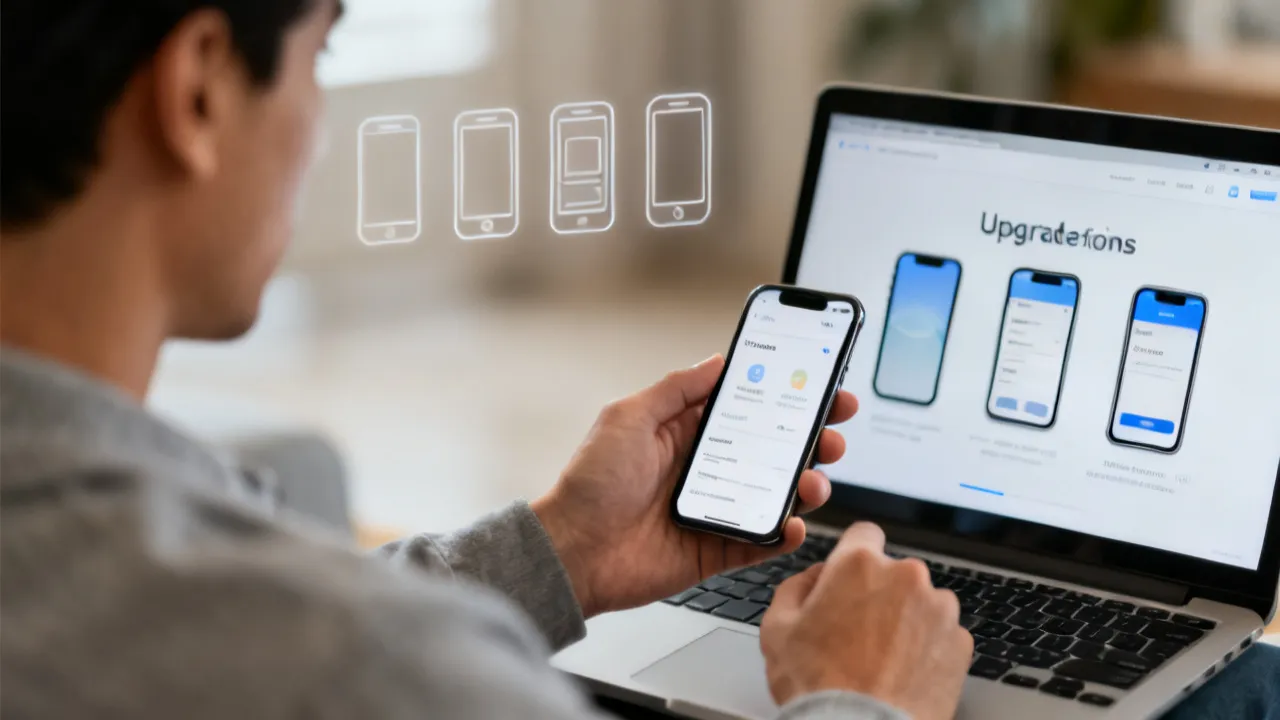
If you’re saying “I need a new phone,” the most cost-conscious approach is to match your situation to a government-supported wireless program and then select a provider that aligns with device availability, service features, and upgrade options. In practice, providers under Lifeline and (in many states) the Affordable Connectivity Program (ACP) often offer smartphone access plus calling/text/data plans, with eligibility verification required before activation. The goal is not just to get a handset, but to secure a plan that fits your actual usage—especially if your current device struggles with apps, banking, school/work portals, or navigation.
In other words, don’t treat this like a single purchase decision. Treat it like a two-part decision: (1) eligibility pathway and program rules, and (2) the real-world plan experience you’ll have after activation. When both parts line up, the result is usually a phone that works for daily tasks without surprising monthly costs.
Many people upgrade reactively—when a screen cracks, storage fills up, a battery dies quickly, or a carrier bill spikes—without checking plan structures, device terms, and eligibility rules. Reacting feels urgent (and it often is), but the avoidable problems usually happen when someone skips a few key checks. From an industry-expert perspective, the biggest preventable issues typically include:
That’s why the most efficient workflow is: (1) verify eligibility pathway, (2) compare provider plan structure, (3) apply using accurate documents, and (4) confirm what you’ll pay for optional upgrades before committing. If you do those four things, you’re far more likely to get a device and plan that genuinely reduce stress instead of adding new problems.
Government-supported phone programs in the U.S. commonly include Lifeline (designed to reduce the cost of essential communications) and, in many cases, ACP (aimed at lowering broadband costs; certain wireless plans may incorporate ACP benefits where permitted). Providers that participate generally coordinate smartphone access and service provisioning through eligibility verification systems.
Although exact program participation and available benefits can change over time, the underlying concept remains consistent: qualify based on income or assistance status, then enroll with a participating carrier that offers qualifying services. The most important point for your “I need a new phone” moment is that eligibility verification is usually the gateway that determines whether you can activate the subsidized plan. In most cases, you can’t simply choose a phone you like and expect the discount automatically—you must first qualify and then enroll through the correct provider process.
Eligibility is typically tied to income thresholds (relative to federal poverty guidelines) or enrollment in qualifying assistance programs such as Medicaid, SNAP, SSI, or FPHA. Some services also offer enhanced benefits for residents of Tribal lands.
Depending on where you live, you may see program-specific language such as “Lifeline-only,” “Lifeline with ACP support,” or similar descriptions. Even if the wording differs, it’s still worth verifying two things before you apply: (1) what category of eligibility applies to you, and (2) whether the provider’s offer in your area includes the handset plus the plan you need.
The following comparison focuses on official provider sites and what they generally include in their government-supported phone offerings. Exact pricing for optional enhancements can differ by state and device availability. Use this table as a starting point for narrowing down which provider to apply with—then verify the details on the provider’s site for your specific address and eligibility category.
| Provider (Official Plan Hub) | Services Typically Included | Possible Additional Package Costs |
|---|---|---|
| SafeLink Wireless | Handset options (affordable or BYOD), unlimited talk/text, and data (plan-dependent) | Upgrades to premium devices or additional data (if selected) |
| Assurance Wireless | Affordable Android smartphone option, unlimited talk/text, and data allowances | Optional upgrades such as more high-speed data or international calling |
| StandUp Wireless | Affordable smartphone or BYOD, unlimited talk/text, and data plans | Premium phone upgrades or extra data (if chosen) |
| Access Wireless | Unlimited voice/text plus limited high-speed data with Lifeline/ACP-linked benefits | Data boosts and device upgrades (fees may apply) |
| True Wireless | Government-supported phones, with voice and data service | Optional upgrades to better devices or additional data plans |
Source of table information:
source: https://www.safelinkwireless.com
source: https://www.assurancewireless.com
source: https://standupwireless.com/
source: https://www.accesswireless.com
source: https://www.gotruewireless.com/
Before you commit to any option, it helps to translate the terms into “how will this affect me?” For example, “limited high-speed data” sounds abstract until you connect it to what you do monthly: sending videos to family, doing telehealth sessions, downloading school apps, or using maps for commuting. The same plan that feels fine for someone who mainly uses Wi-Fi for streaming might be frustrating for someone who relies on cellular data for work.
If your situation is “I need a new phone,” the very important success factor is meeting eligibility requirements before submitting documents. While providers operate application processes on their own platforms, the underlying eligibility logic generally reflects Lifeline/ACP participation rules.
What matters most is not just “Do I qualify in general?” but “Does my documentation match what the application form expects?” Many delayed approvals are documentation issues, not eligibility issues. So the best time to slow down is before you upload documents, not after you find out you need to resubmit.
It’s also helpful to consider household details. Some programs are strict about what counts as a household for verification. If your address or household composition differs from what’s on a document, it can create mismatch issues. If you recently moved, double-check that your proof of address lines up with your current application details.
Most applicants will need to provide details that allow verification—commonly including identity and proof of participation (or proof of income, depending on the pathway). The verification step is one reason approvals can take different amounts of time even for similar households.
Documentation requirements can vary, but commonly include:
To avoid delays, it helps to ensure your documents meet the provider’s formatting rules. Upload clarity matters. Photos that are blurry, cut off, or taken at an angle can fail automated checks. Similarly, documents that are expired may require manual review or may not be accepted. If you want to speed up verification, take new photos or scans with good lighting and keep the files readable.
Government-supported phone plans frequently include:
From a practical standpoint, you should evaluate your top 3 uses: (1) navigation and maps, (2) video calls, (3) app-based work/school access. These uses often reveal whether the default data structure fits or whether you’ll need an optional add-on.
Consider scenarios like:
While each provider has its own online form, the steps are typically similar. Use the checklist below to avoid delays and maximize the chances of smooth activation.
For BYOD scenarios, compatibility is where many people run into obstacles. Not every older phone works on every network. Even if your phone “has service” today, it may not work under the specific provider’s requirements. If you plan to keep your current device, consider verifying compatibility early rather than waiting until after you’re approved.
Even within government-supported offerings, not every plan experience is identical. Industry professionals often recommend choosing based on usability rather than headline features.
“Usability” means: can you reliably do the tasks that matter to you every week? That might include texting family, using a rideshare app, attending virtual appointments, or accessing school resources. A plan that’s only “okay” might still work for short bursts, but the right plan helps you avoid recurring frustration.
A affordable or subsidized smartphone may be perfectly adequate for calls, texts, and core apps, but you should consider:
If your current phone struggles with performance, ask yourself whether the solution is only a handset swap—or whether your plan data speed and reliability also need improvement. Sometimes the phone is fine but the data experience is poor. Other times the plan is adequate but the device is too slow or too low-storage to handle modern apps.
Also consider the “life cycle” of the device. If you need the phone to last through job applications, work shifts, or school enrollment, the device shouldn’t feel like it will fail within months. While it’s impossible to guarantee lifespan, you can reduce risk by focusing on devices with decent storage, current security support, and a usable screen and battery experience.
Many plans provide a baseline of data with potential limits on high-speed usage. Before selecting, estimate your monthly data needs. A credible method is to review your last 1–2 months of data usage on your current carrier (if you have access to that history).
To make this more practical, think in terms of typical tasks:
If you have a Wi-Fi option at home, your plan needs can drop dramatically. If you do not, your plan should be chosen with heavier data use in mind.
Even when the core service is designed to be affordable, upgrading to premium devices or adding more data is commonly an optional path. In your decision-making, treat upgrade costs like “decision points,” not assumptions. Verify the cost and terms for:
A helpful approach is to decide what you can afford for the next 1–3 months, not just the next month. For example, a one-time device payment might be manageable, but recurring data boosts might not be. Likewise, a higher data tier might solve stress but may increase monthly costs beyond what you planned.
Also, pay attention to plan changes and autopay-style arrangements if they are relevant. Government-supported pricing is meant to be stable, but optional upgrades are often separate. Read the upgrade language carefully, and if something is unclear, contact the provider’s support through official channels before finalizing.
Use this checklist as you narrow down which provider to apply with. The goal is to reduce surprises later—especially surprises related to data limitations, upgrade pricing, or device compatibility.
Taking a few extra minutes for this evaluation can save time later—especially if your first choice provider doesn’t have the device model you need or the data tier doesn’t match your real habits.
Yes. Very government-supported wireless applications focus on eligibility documentation (identity and proof of income or program participation). Your current phone account status is not always the deciding factor, but you should follow each provider’s instructions precisely. In many cases, they’re looking at your eligibility category rather than whether you already have an active phone line.
If you do not have a bill, don’t assume you’re automatically disqualified—just gather the required identification and eligibility proofs. Make sure your documents meet their upload requirements and that you complete every field in the application form.
Some providers support bring-your-own-device options. If you choose BYOD, you typically need to ensure compatibility with the provider’s network requirements. If you want to reduce risk, consider confirming device compatibility before finalizing your application.
Compatibility can depend on factors such as:
If your phone is currently locked, you may need to request unlock steps from the original carrier before BYOD will work smoothly. If you’re uncertain, it can be safer to choose a subsidized handset if your priority is speed to activation.
Not always in the same way commercial plans market “unlimited.” Many offerings include unlimited talk and text, plus data plans that may include limited high-speed usage with potential speed adjustments afterward. Always review the plan detail sheet provided during onboarding.
To understand how a “limited high-speed data” plan behaves, ask or look for specifics such as:
Because different plans can interpret “unlimited” differently, reading the exact data policy matters. If you frequently rely on video calls, you may prefer a plan with higher high-speed allocation or an option to boost your data.
Approval depends on meeting eligibility rules and completing verification successfully. Missing documents or inconsistent information can delay or prevent approval. Additionally, some providers may only offer certain handset models based on current inventory or state-specific participation.
Even when you qualify, the exact phone model may vary. If you have specific requirements—such as needing a particular app compatibility level or screen size—check the provider’s device list and ask about model options if available.
Often, providers offer optional upgrades (such as premium devices or additional data). Whether you can upgrade later—and the cost—depends on the provider’s policies and current inventory.
When considering upgrades, evaluate both cost and timing. If you need improved performance urgently, an immediate upgrade might be worth it. If you can handle the current device for a few months, you may choose to upgrade later if a better option becomes available at a manageable price.
It’s also smart to ask how upgrades affect your plan. Sometimes upgrading the device does not change the data package; other times upgrades are bundled with changes to plan features. Clarify before proceeding.
Timelines vary based on verification requirements and the completeness of your submission. Some applicants receive updates quickly, while others may need additional documentation checks.
Speeding up the process typically comes down to submitting accurate information the first time, using clear document uploads, and ensuring eligibility proof documents are current. If your application status shows an issue, responding quickly to requested updates can shorten delays.
Typically you must reside in the service area of the participating provider and meet the program requirements applicable to your state. Application forms usually confirm coverage availability.
If you recently moved, make sure your application address matches your current residence. Some providers can only provide service in certain states and may need to confirm your exact address area.
First, review the reason given in your application status. Then correct any document issues or mismatched details and resubmit if the provider’s process allows. If you’re unsure, contact customer support through the provider’s official channels.
Common reasons for denial or delay include:
If you think the denial is an error, keep copies of everything you submitted. Clear records can help support teams verify your case more quickly.
Getting a new phone doesn’t have to mean accepting expensive monthly bills or buying the first device you can find. When you need a new phone urgently, begin with eligibility, then compare provider offerings—paying close attention to data structure, device options (handset vs BYOD), and optional upgrade costs. If you approach the process methodically, you’ll be better positioned to secure service that supports your day-to-day needs without surprise expenses.
Most importantly, choose a setup that matches your real-life usage patterns. “Works for calls and texts” is only part of the story. For many people, the phone is also a gateway to work schedules, school resources, banking access, appointments, emergency communication, and navigation. When device performance and data policy align with those needs, the difference is noticeable immediately.
If you’re preparing to apply, focus on what you can control: your documentation quality, your accuracy on form entries, your understanding of data limits, and your awareness of upgrade options. Those steps create a smoother activation experience—and that’s what matters when you truly “need a new phone.”
1) The above information comes from online resources, and the data is as of October 2023.
2) This website cannot guarantee that applicants will definitely get a government-supported phone. For specific application requirements and how to obtain it, please refer to the official requirements of the provider. This website will not be updated in real time.
Striking the Perfect Balance: Navigating Premiums and Out-of-Pocket Expenses in Senior Insurance Plans

Explore the Tranquil Bliss of Idyllic Rural Retreats

How to Make Lasting Memories at Disneyland Attractions

4rkojvsx Technology: Industry Insights and Buying Guide

Affordable Phones and Plans for Seniors

Affordable Full Mouth Dental Implants Near You

Unlock the Top Kept Secrets to Finding Your Ideal Dentist for Flawless Dental Implant Results!

Discovering Springdale Estates

Unveiling RS Sul Telecom Services

Affordable Phones and Plans for Seniors
Discover the top deals on new phones and plans tailored for seniors, including discounts on 5G technology and unsold models.
Affordable Cell Phones Without Plans
Discover affordable cell phones for sale without plans, exclusive discounts for seniors, and tailored mobile plan options in your area.

Navigating Government Phone Programs
This guide provides an expert analysis of government-supported phone programs for eligible individuals, offering insights into available providers and their services. Affordable phones are often a necessity for individuals under economic constraints, aiding in communication, job searches, and access to emergency services. The article delves into eligibility criteria, application processes, and compares popular service providers in various regions.
Unlocking the Top Cell Phone Deals
Discover unbeatable cell phone discounts, plans, and offers for seniors and iPhone enthusiasts without contracts.
Navigating Affordable Phone Offers
Discover the essential details about government-assisted phone programs aimed at providing budget-friendly devices to eligible individuals. These programs offer complementary mobile phones and services to qualified beneficiaries, ensuring connectivity at minimal expense. This guide breaks down how to access such benefits and what conditions apply.

How to Apply for a Affordable Phone
This guide provides insights on how to apply for a affordable phone through government-sponsored programs. Understanding how these programs operate and their eligibility requirements is essential. These initiatives aim to support individuals in low-income households or those enrolled in specified government assistance programs by providing basic communication tools.