This article dives into the complexities and significance of a Controller BMS, a cornerstone in managing energy storage systems effectively. Battery Management Systems (BMS) play a pivotal role in monitoring and optimizing the performance of batteries used in various applications, from electric vehicles to sustainable energy solutions. Understanding their architecture and functionality is essential for leveraging their benefits in contemporary and future technologies.
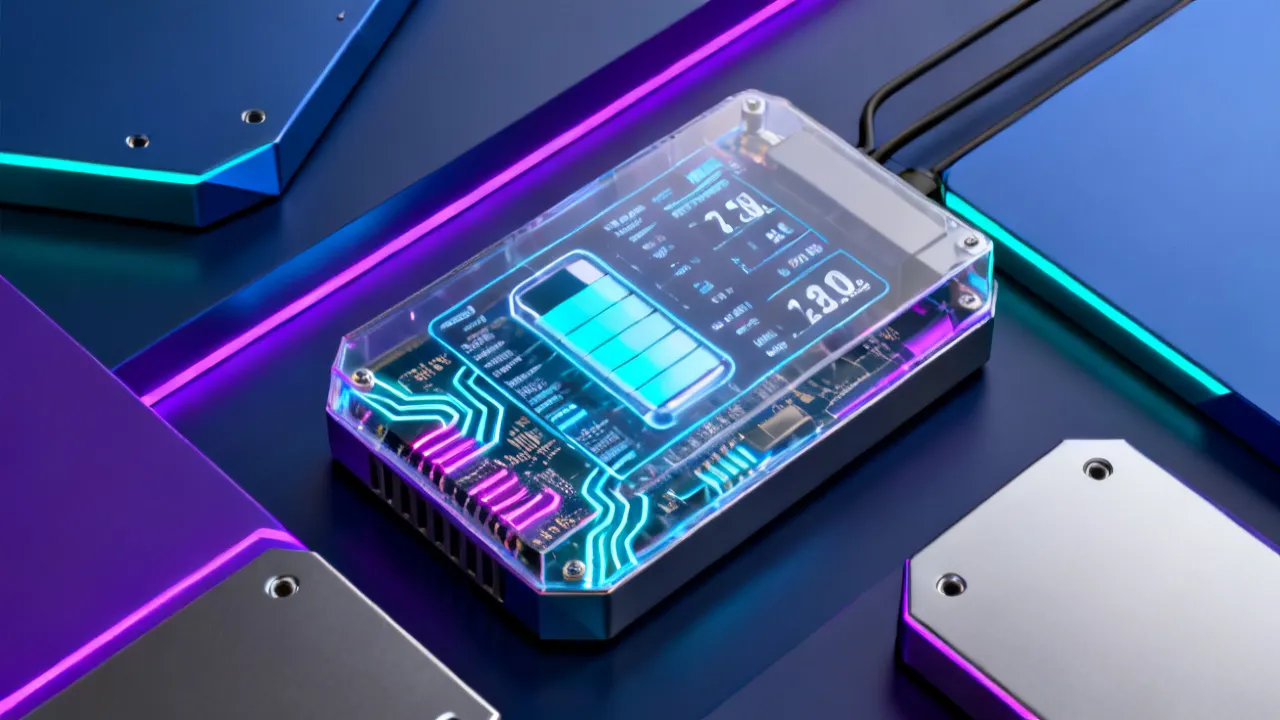
The Battery Management System (BMS) is a critical component in the realm of energy storage systems. Serving as the brains behind battery operation, a BMS ensures the efficient functioning, reliability, and longevity of battery packs by monitoring their state of charge (SOC), state of health (SOH), and other key metrics. In industries ranging from automotive to renewable energy, the BMS is indispensable, making it vital to understand the intricacies of its function. With the increasing reliance on battery technology in everyday applications, a thorough grasp of BMS technology has become essential for engineers, researchers, and consumers alike.
At the heart of any Battery Management System is the Controller BMS. This pivotal element oversees the operations of individual battery cells and entire packs. Its tasks include balancing the charge across cells, preventing overcharging or deep discharge, and ensuring the thermal stability of the battery system. By detecting anomalies early, a Controller BMS enhances safety and performance, crucial for applications demanding high reliability. For instance, in electric vehicles, the dynamics of energy consumption can vary greatly with driving conditions, necessitating a BMS that can respond swiftly to fluctuations to maintain optimal performance. Additionally, the Controller BMS acts as a communication node between the battery and the vehicle control system, relaying critical battery data for decision-making processes.
The architecture of a Controller BMS is complex, comprising several integral components such as sensors, microcontrollers, and communication interfaces. Sensors play a key role in gathering real-time data about voltage, current, and temperature at the cell level. This data is processed by microcontrollers that execute sophisticated algorithms, maintaining the optimal performance of the battery. Communication interfaces allow the BMS to interface with external systems, enabling telemetry and seamless integration with broader technological ecosystems.
To delve deeper, let’s consider the various sensor types utilized in a Controller BMS. Voltage sensors measure the voltage across each cell, essential for ensuring cells do not exceed their maximum voltage rating during charging. Current sensors, often hall-effect sensors, monitor the current flow in and out of the battery pack, which is crucial for calculating the SOC accurately. Temperature sensors, typically thermocouples or thermistors, help prevent thermal runaway, a condition where an increase in temperature can lead to explosive reactions within battery cells. The interaction of these components forms a comprehensive monitoring framework that responds dynamically to real-time data.
In the context of electric vehicles (EVs), the Controller BMS is even more critical. It not only monitors the battery pack but also ensures the energy efficiency and range of the vehicle, which are paramount to consumer satisfaction and overall vehicle performance. Overcoming the challenges of thermal management and SOC estimation in EVs requires precise BMS algorithms capable of handling the complexity and variability inherent in EV operations. Different driving scenarios, such as abrupt acceleration or climbing steep terrains, demand an agile BMS that can adapt the energy distribution accordingly.
One of the most important aspects of BMS in EV applications is its ability to enhance the life cycle of the battery. Lithium-ion batteries, which power most EVs, undergo chemical reactions that can change based on the charge/discharge rates and temperature. The Controller BMS manages these aspects by implementing cell balancing techniques ensuring uniform charge distribution, thereby maximizing the lifespan of the battery pack. For electric vehicles to become more popular in commercial markets, understanding and improving these management systems is crucial for enhancing performance metrics such as driving range, charge time, and safety.
Beyond automotive applications, Controller BMSes are pivotal in the integration of renewable energy solutions. In systems like solar farms or wind farms, they control the charge and discharge cycles of storage batteries, maximizing their efficiency and life span. This aspect is crucial as the world increasingly turns to sustainable energy solutions to meet growing consumption needs. As renewable energy sources are intermittent, the role of BMS grows even more significant. It ensures that energy harvested during peak production times is efficiently stored for use during low production times, such as at night for solar energy or during calm conditions for wind energy.
The development of smart grids and microgrids has also intensified the demand for robust BMS solutions. A smart grid requires constant and reliable energy flow management, making a sophisticated BMS essential for integrating various power sources and managing the energy storage units efficiently. The ability to predict energy needs and regulate output accordingly can significantly enhance the overall efficiency of power consumption. Modern BMS architectures incorporate algorithms that can learn and anticipate usage patterns, allowing for proactive energy management that can stabilize local grids.
| Feature | Standard BMS | Advanced Controller BMS |
|---|---|---|
| Monitoring Capability | Basic cell-level monitoring | High precision, multi-faceted monitoring |
| Communication Protocols | Limited protocols | Multiple, including CAN, LIN, and Ethernet |
| Thermal Management | Basic thermal control | Advanced cooling/heating strategies with predictive models |
| Energy Efficiency Optimization | Minimal | Optimized algorithms for real-time energy saving |
The comparative analysis highlights that while standard BMS may suffice for simpler battery applications, advanced Controller BMS solutions are increasingly necessary in sophisticated environments like EVs and renewable energy installations. They provide improved monitoring, integration capabilities, and performance optimization, adapting to the dynamic requirements of modern power systems.
The demand for more intelligent and adaptive Controller BMS solutions continues to rise, spurred by advancements in artificial intelligence and machine learning. These technologies are driving new BMS capabilities, such as predictive maintenance and enhanced fault detection, which further enhance battery safety and efficiency. AI algorithms can analyze historical and real-time data from the BMS to predict potential failures before they occur, enabling proactive maintenance and reducing costly downtime.
Another notable trend is the shift towards higher voltage batteries, especially in electric vehicles, which can lower the weight of wiring and improve efficiency. This trend demands BMS designs that accommodate these systems without compromising safety or reliability. Additionally, the integration of smart home technology is pushing BMS capabilities forward, allowing home energy storage systems to participate in energy trading and demand response programs, thereby maximizing their economic value.
Furthermore, the rise in the adoption of electric vehicles is prompting innovations in battery chemistry and technology. New materials such as solid-state batteries are being explored, which promise greater energy density and safety. However, these technologies also introduce unique challenges for BMS, necessitating ongoing research to ensure that BMS solutions can support future battery innovations.
Despite significant advancements, challenges remain such as cost, complexity, and standardization across the industry. The integration of advanced features in BMS systems often leads to increased costs, which can hinder widespread adoption, especially in low-end markets. Additionally, as battery technology evolves rapidly, the BMS must continuously adapt and incur further development costs to meet new specifications and safety standards.
Standardization is another prominent challenge. The lack of standardized regulations can lead to discrepancies in BMS implementation and functionality across different manufacturers, which can complicate interoperability in mixed systems such as a smart grid. Collaborative efforts by industry organizations and regulatory bodies to develop standards can pave the way for smoother integration and communication between various BMS units.
However, ongoing research and collaboration among industry players promise advancements that will address these hurdles, paving the way for more ubiquitous use of advanced BMS solutions. With increasing investment in energy storage technology, companies are looking to develop innovative solutions that not only enhance current technology but also create entirely new applications and use cases for BMS. Moreover, as the demand for efficient and sustainable energy solutions grows, BMS technology will play a central role in shaping the future landscapes of energy consumption and storage.
A Controller BMS is a system component that manages and monitors individual cells and battery packs in various applications, ensuring safety and efficiency. It helps prevent overcharging and discharging while optimizing battery performance.
BMSs are crucial for prolonging battery life, optimizing performance, and preventing incidents related to overheating or over-discharging. They ensure batteries operate within safe parameters, enhancing overall safety and reliability.
By optimizing charge cycles and monitoring thermal conditions, a BMS enhances the driving range and reliability of electric vehicles. It balances the charge across battery cells to extend their lifespan and improve energy efficiency.
Key components of a BMS include voltage and current sensors, temperature sensors, microcontrollers, and communication interfaces. Together, these components work to monitor and manage the operations of battery systems effectively.
Thermal management in a BMS involves monitoring the temperature of battery cells and using control strategies to manage heat generation. This may include passive heat sinking or active cooling methods to maintain optimal thermal conditions.
Striking the Perfect Balance: Navigating Premiums and Out-of-Pocket Expenses in Senior Insurance Plans

Explore the Tranquil Bliss of Idyllic Rural Retreats

How to Make Lasting Memories at Disneyland Attractions

Affordable Phones and Plans for Seniors

Affordable Full Mouth Dental Implants Near You

Unlock the Top Kept Secrets to Finding Your Ideal Dentist for Flawless Dental Implant Results!

Discovering Springdale Estates

Unveiling RS Sul Telecom Services

The Guide to Car Trading

Unveiling RS Sul Telecom Services
RS Sul Telecom emerges as a prominent entity in the telecommunications industry, providing reliable services across various regions. This article delves into the offerings of RS Sul Telecom, the benefits it presents to both individual and business clients, and its impact on the modern telecom landscape.

Understanding Rlock Advpl in Business
Rlock Advpl represents a pivotal advancement in business software solutions, offering enhanced security and efficiency for enterprise resource planning systems. This article delves into the intricacies of Rlock Advpl, its application in modern businesses, and the benefits it offers in streamlining operations and safeguarding data. As an expert tool, Rlock Advpl is essential for businesses looking to optimize their IT infrastructure.

Unveiling Atranet Innovation
Atranet represents a cutting-edge concept in networking technology. Harnessing its capabilities can transform digital communication by providing seamless connectivity. Designed to optimize data transfer, security, and efficiency, Atranet is shaping the future of how we connect and share information. This article delves into its structure, applications, and potential impacts on industry practices and consumer experiences.

Understanding Polysulfide Adhesive Applications
This comprehensive guide explores the applications and benefits of polysulfide adhesive, highlighting its unique properties and widespread use in construction, aerospace, and automotive industries. Known for its flexibility and resistance to various environmental factors, polysulfide adhesive is a key component in sealing and bonding applications, providing durability and reliability in demanding conditions.

Comparing Vtex with Salesforce Commerce
This article provides an in-depth comparison between Vtex and Salesforce Commerce, two leading digital commerce platforms. Each offers unique features suited to different business needs. Vtex is renowned for its collaborative commerce approach, while Salesforce Commerce shines with its comprehensive customer relationship management capabilities. Explore their differences, strengths, and insights from industry experts.

Understanding the Latest Chrome Version
This article delves into the intricacies and features of the latest Chrome version. Chrome, developed by Google, is one of the very popular web browsers globally, known for its speed, simplicity, and security features. Each update aims to enhance user experience through improved functionality and performance. Understanding these updates is crucial for both everyday users and developers.
