This article explores the evolution of missile technology, highlighting its critical role in modern defense systems. A missile, an explosive weapon designed to deliver a payload over a distance, has transformed warfare throughout history. We delve into advanced developments, strategic implications, and emerging trends, offering a comprehensive guide for defense enthusiasts and industry professionals.
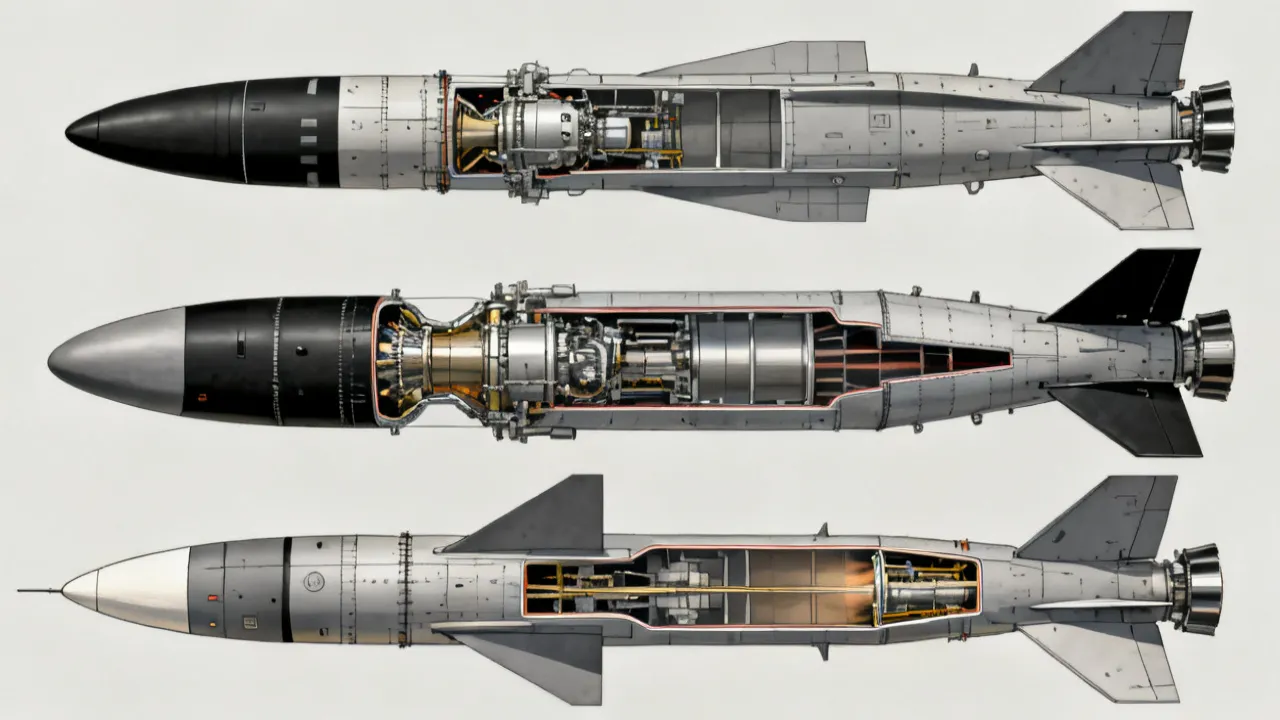
Over the decades, missile technology has advanced rapidly, playing a pivotal role in the global landscape of defense and warfare. A missile is a projectile or weapon that is self-propelled or guided and typically carries hazardous or explosive materials designed to inflict damage upon its target. The significance of missile technology extends beyond military applications; it also includes civilian use in space exploration and satellite placement. Understanding missile technology requires a comprehensive look at its components, development, and implications on international relations.
The concept of a missile dates back to ancient times, with primitive forms such as fire arrows and catapults. However, modern missile technology as we know it began taking shape during World War II when Germany developed the V-2 rocket. This was the first long-range guided ballistic missile, and it marked a turning point in military technology that would influence the future of weapon development.
As the Cold War set in, significant advancements were made, leading to the creation of intercontinental ballistic missiles (ICBMs) that could be launched from one continent to strike another. This was a period during which superpowers raced to develop and enhance their missile capabilities as a deterrent against each other. The Cuban Missile Crisis of 1962 exemplified the potential for catastrophic conflicts arising from these advancements, showcasing the need for careful geopolitical maneuvering in the face of evolving nuclear arsenals.
Today, missiles have become more sophisticated with improvements in propulsion technology, guidance systems, and payload delivery mechanisms. The shift from traditional warheads to those enabled with precision-guided munitions reflects a broader trend towards increasing the efficiency and accuracy of strikes while minimizing collateral damage. Nations are investing in research to develop systems capable of countering missile threats, leading to advancements in both offense and defense technologies that are continually evolving.
Modern missiles comprise several key components: the propulsion system, guidance system, warhead, and control system. Each element plays a critical role in ensuring the missile operates effectively and achieves its intended outcomes. The propulsion system is responsible for thrust and movement. Advanced liquid or solid rocket engines now dominate the landscape, each providing specific benefits depending on the mission requirements. For instance, solid rocket engines are preferred for quick launches due to their storage stability and rapid ignition times, whereas liquid engines can be throttled and restarted, offering greater control during flight.
The guidance system secures target accuracy, utilizing technologies such as GPS, radar, or thermal imaging. These systems ensure that missiles reach their intended destination with precision. The integration of advanced guidance technologies like inertial navigation allows missiles to maintain their path even without GPS signals, making them reliable under various conditions. Moreover, the recent introduction of artificial intelligence into guidance systems enhances the missile's ability to adapt in real time, making split-second decisions to navigate around obstacles or evade enemy defenses.
The warhead is the destructive payload carried by the missile, which can range from nuclear explosives to conventional explosives. The choice of warhead can be critical depending on the mission, with modern technology allowing for miniaturized nuclear warheads that maximize yield while minimizing size. Control systems are vital for maneuvering the missile in flight to avoid a variety of defenses and reach the target effectively. New algorithms and enhanced sensor packages enable missiles to make real-time adjustments to their trajectory, increasing the likelihood of successful strikes.
Missile technology is witnessing unprecedented innovations, driven largely by the need for strategic superiority and national security. Hypersonic missiles, for example, are capable of traveling at speeds greater than Mach 5, making them virtually invincible to current missile defense systems. Russia and China have been particularly aggressive in developing hypersonic glide vehicles that can maneuver during flight, adding another layer of complexity to defense strategies around the world.
Simultaneously, the advent of artificial intelligence and machine learning is enhancing the guidance and decision-making capabilities of future missile systems. These technologies allow for predictive adjustments, enabling missiles to better execute their missions by analyzing environmental conditions and potential threats in real-time. This not only enhances engagement accuracy but also poses new challenges for existing defense systems, as rapid adaptive capabilities may outpace the development of countermeasures.
Another significant trend is the growing interest in drone integration with missile technology. Unmanned aerial vehicles (UAVs) equipped with missiles are increasingly being used for precision strikes. The ability for drones to provide real-time reconnaissance and target acquisition prior to missile launches adds a tactical advantage on the battlefield, enhancing mission success rates. The implications of this trend reach far beyond traditional warfare, extending into counter-terrorism and urban combat scenarios where precision is paramount.
The geopolitical implications of missile technology are profound. Countries invest heavily in advancing these technologies as a means of deterrence and defense. This investment reflects in regional power dynamics, arms race tensions, and international security agreements. Nations continually seek to strike a balance between demonstrating technological capability and maintaining global peace.
For instance, missile technology development can provoke heightened security dilemmas; neighboring countries may feel compelled to respond by bolstering their own arsenals, leading to an escalatory spiral. The North Korean missile program has been a focal point of international relations, causing friction between Pyongyang and numerous nations while also prompting discussions on potential diplomatic solutions, sanctions, and military preparedness in the region.
Additionally, missile technology advancements can lead to new forms of partnership and military cooperation. Countries often engage in defense pacts and joint exercises to share technological advancements and bolster their deterrence capabilities. Collaborative programs, such as the development of missile defense systems like the Aegis Ballistic Missile Defense, exemplify how nations can work together to address shared security concerns.
However, the rise of non-state actors with access to missile technology poses new challenges for national and international security. Terrorist organizations and rogue states may seek to acquire missile technology for offensive purposes, compounding the risks associated with missile proliferation. As a result, there is an increasing push for global monitoring and control mechanisms to prevent the spread of this technology to undesirable groups.
In the highly specialized field of missile development, international treaties and regulatory frameworks like the Missile Technology Control Regime (MTCR) play crucial roles. These guidelines aim to control the proliferation of missile and nuclear technology, ensuring that advancements in missile technology do not escalate into operational threats on a global scale. The MTCR seeks to limit the transfer of missile systems capable of delivering weapons of mass destruction, advocating for transparency and accountability among nations regarding their missile programs.
The challenges in overseeing missile technology proliferation are compounded by the rapid advancements in miniaturization and dual-use technologies, which can be adapted for both civilian and military applications. For instance, technologies developed for space launch vehicles can often be repurposed for missile development, making it difficult to trace the intentions behind specific technological improvements. As a result, a bilateral and multilateral approach toward regulation is essential to address emerging threats and ensure compliance with international agreements.
Moreover, regional agreements and initiatives can complement global conventions by addressing unique security challenges faced by specific areas. The Intermediate-Range Nuclear Forces Treaty (INF), while ultimately dissolved in 2019, served as an important framework in the Cold War era for limiting missile capabilities and fostering dialogue between the United States and Russia. Such agreements create space for diplomacy and help mitigate potential conflicts arising from missile technology competition.
| Technological Aspect | Traditional Missiles | Modern Developments |
|---|---|---|
| Propulsion | Chemical Rocket Engines | Advanced Rocket and Hypersonic Engines |
| Guidance | Manual and Radar | AI, GPS, and Inertial Navigation |
| Warhead | Conventional Explosives | Nuclear, Cyber, and Precision Munitions |
| Control Systems | Analogue Electronics | Digital and Quantum Computing |
What is the primary purpose of a missile?
Missiles are typically designed for military use to deliver explosive payloads over long distances. However, they are also used in space exploration and satellite deployment. Their capability to reach high altitudes and velocities enables various applications, including scientific research and communications.
How does a hypersonic missile differ from a traditional missile?
Hypersonic missiles travel at speeds exceeding Mach 5, significantly faster than traditional missiles, often making them elusive to current defense systems. Their ability to maneuver in flight allows them to evade intercepts, creating new tactical challenges for adversaries. Moreover, the range of potential payloads can vary, with some hypersonic designs focusing on conventional explosives rather than nuclear payloads.
What role does AI play in modern missile technology?
AI enhances the guidance and decision-making systems of missiles, enabling more precise target engagement and reducing the likelihood of errors. Advanced algorithms assist in processing large amounts of data from sensors, allowing the missile to adapt to changing environments and refine its targeting in real time. This leads to improved success rates for missions while also decreasing potential collateral damage.
Are there international regulations for missile technology?
Yes, frameworks like the Missile Technology Control Regime (MTCR) aim to regulate the proliferation of missile and nuclear technology to prevent global security threats. Member nations are encouraged to adhere to non-proliferation policies and maintain transparency regarding their missile capabilities, fostering an environment of trust and cooperation on the international stage. However, the rapid development of technology poses challenges in enforcement and compliance.
What are the future trends in missile technology?
Future trends in missile technology include the integration of more sophisticated sensors, the use of AI for decision-making, improved propulsion systems that facilitate faster speeds and greater ranges, and interoperability between various platforms. Developments in hypersonic technology, drone delivery systems, and enhanced miniaturization of precision-guided munitions represent areas of keen interest for military and civilian applications alike.
How can civilian technology influence missile development?
Civilian technology, particularly in fields such as satellite communications, GPS, and aerospace engineering, often spills over into missile development. Dual-use technologies can enhance missile guidance systems and sensor accuracy. Furthermore, advances in civilian manufacturing techniques can lead to cost reductions and increased production rates for military applications.
What challenges do nations face regarding missile deterrence strategies?
Nations face numerous challenges concerning missile deterrence strategies, including the need to balance offensive capabilities with diplomatic efforts to maintain peace. The potential for miscalculation during a crisis, adversary advancements in missile defense, and non-state actors acquiring missile technologies exacerbate these challenges. Establishing effective communication channels and conducting regular arms control negotiations are crucial for mitigating tensions and avoiding conflicts.
Striking the Perfect Balance: Navigating Premiums and Out-of-Pocket Expenses in Senior Insurance Plans

Explore the Tranquil Bliss of Idyllic Rural Retreats

How to Make Lasting Memories at Disneyland Attractions

Affordable Phones and Plans for Seniors

Affordable Full Mouth Dental Implants Near You

Unlock the Top Kept Secrets to Finding Your Ideal Dentist for Flawless Dental Implant Results!

Discovering Springdale Estates

Unveiling RS Sul Telecom Services

The Guide to Car Trading

Unveiling RS Sul Telecom Services
RS Sul Telecom emerges as a prominent entity in the telecommunications industry, providing reliable services across various regions. This article delves into the offerings of RS Sul Telecom, the benefits it presents to both individual and business clients, and its impact on the modern telecom landscape.

Understanding Rlock Advpl in Business
Rlock Advpl represents a pivotal advancement in business software solutions, offering enhanced security and efficiency for enterprise resource planning systems. This article delves into the intricacies of Rlock Advpl, its application in modern businesses, and the benefits it offers in streamlining operations and safeguarding data. As an expert tool, Rlock Advpl is essential for businesses looking to optimize their IT infrastructure.
Unveiling Atranet Innovation
Atranet represents a cutting-edge concept in networking technology. Harnessing its capabilities can transform digital communication by providing seamless connectivity. Designed to optimize data transfer, security, and efficiency, Atranet is shaping the future of how we connect and share information. This article delves into its structure, applications, and potential impacts on industry practices and consumer experiences.

Understanding Polysulfide Adhesive Applications
This comprehensive guide explores the applications and benefits of polysulfide adhesive, highlighting its unique properties and widespread use in construction, aerospace, and automotive industries. Known for its flexibility and resistance to various environmental factors, polysulfide adhesive is a key component in sealing and bonding applications, providing durability and reliability in demanding conditions.
Comparing Vtex with Salesforce Commerce
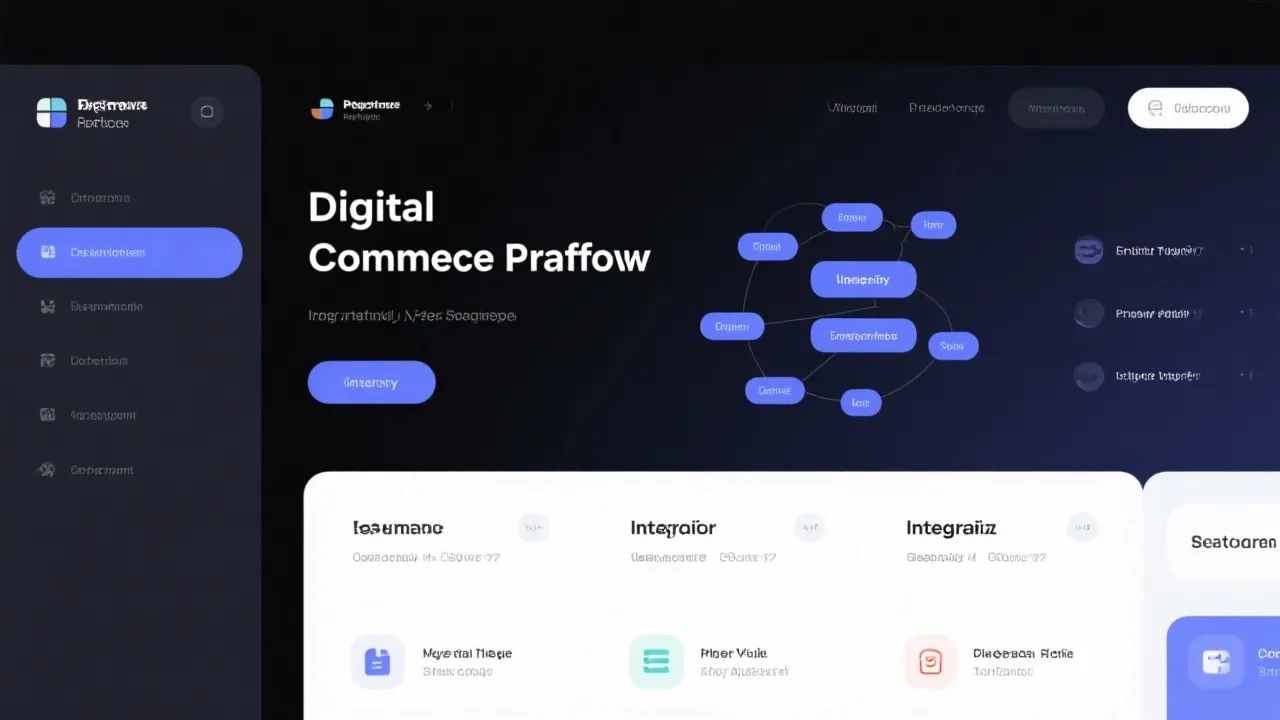
This article provides an in-depth comparison between Vtex and Salesforce Commerce, two leading digital commerce platforms. Each offers unique features suited to different business needs. Vtex is renowned for its collaborative commerce approach, while Salesforce Commerce shines with its comprehensive customer relationship management capabilities. Explore their differences, strengths, and insights from industry experts.
Understanding the Latest Chrome Version
This article delves into the intricacies and features of the latest Chrome version. Chrome, developed by Google, is one of the very popular web browsers globally, known for its speed, simplicity, and security features. Each update aims to enhance user experience through improved functionality and performance. Understanding these updates is crucial for both everyday users and developers.
