This guide explains how to research and buy a Camaro with confidence, using major official car trading platforms and reputable dealers. Background: “Camaro” is widely recognized as a performance-focused American muscle car line, and online marketplaces aggregate listings from dealers and private sellers. Readers will learn where to compare offers, how to evaluate total costs, and what to check before committing.
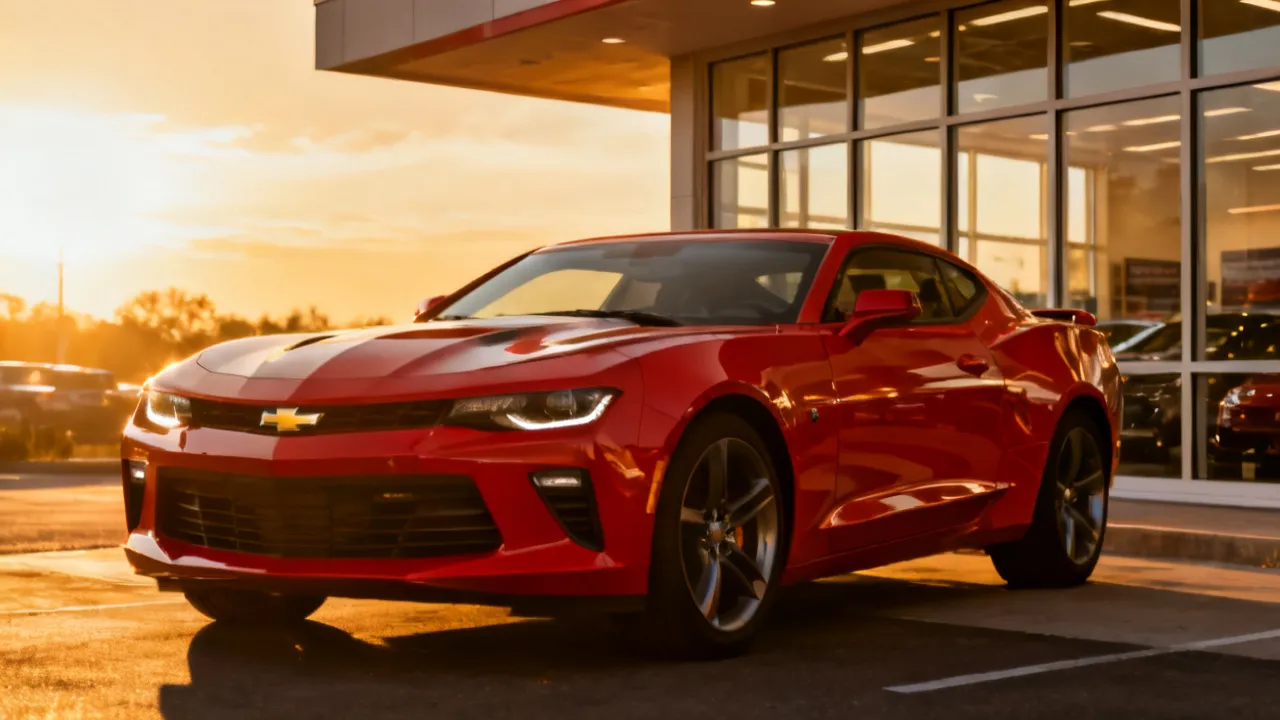
If you’re shopping for a Camaro, the fastest route to a sensible deal is to combine (1) structured comparison across established inventory platforms, (2) a disciplined inspection-and-ownership checklist, and (3) clear budgeting that includes taxes, fees, insurance, and expected maintenance. Online marketplaces are especially useful because you can filter by trim, model year range, mileage, drivetrain, location, and price—then move quickly when a listing matches your requirements.
However, “fastest” doesn’t have to mean “careless.” The real skill in buying a used Camaro (especially a performance-focused trim like LT1, SS, 1LE, or ZL1 depending on generation) is separating a listing’s persuasive story from the car’s measurable condition and ownership reality. A Camaro can be a great value when you identify a match between what you want to drive and what the car already needs. It can become expensive—sometimes quickly—when you buy the lowest price that still “looks” right on a listing photo but carries hidden risk in the form of wear, prior damage, poor modifications, or incomplete service history.
Below, you’ll find a practical framework that keeps your search organized, your negotiations grounded, and your final purchase decision less dependent on luck.
The Camaro nameplate is strongly associated with performance driving, distinctive styling, and brand heritage. In practical buying terms, Camaro listings often vary widely by trim, engine configuration, transmission type, accident history reporting, and service records. Because different configurations can affect maintenance needs and insurance pricing, “top value” usually comes from matching the vehicle’s technical profile to your usage and risk tolerance—not only from the sticker price.
It also helps to acknowledge that “Camaro” is not one single buying scenario. Your experience will differ significantly depending on whether you’re targeting:
In addition, Camaro pricing can be affected by regional demand, seasonal inventory, and how quickly certain trims move at auction or dealer trades. Two identical cars with the same mileage can land at different prices because one dealer invests in presentation and documentation while another cuts corners—especially on disclosure and inspection quality.
Therefore, “overpaying” often doesn’t start with the price you see. It starts with the assumptions you make before you verify the car’s real condition.
To locate a Camaro efficiently, consider reputable platforms that aggregate dealer inventory and provide standardized listing information (often including mileage, condition notes, and payment estimators). For a broader selection and smoother comparison, these sites typically let you refine results with filters such as price range, distance, body style, and features. The goal is not to “buy blindly,” but to reduce search friction so you can spend more time evaluating candidates that truly fit your criteria.
Online marketplaces also help you compare like-for-like in ways that are difficult with classifieds alone. If you want a Camaro SS around a particular price and within a certain radius, you can quickly identify patterns: which trims are priced aggressively, which dealers consistently list with transparent photo sets, and which listings repeatedly show vague statements like “minor wear” without providing evidence.
Just remember: listings are marketing. Your job is to treat the listing as a starting point for verification, not as proof of condition.
Below is a comparison table of major official websites mentioned for locating cars on sale. It focuses on what each site is generally used for, without listing links in the table.
| Platform | Primary Use for Shoppers |
|---|---|
| cars.com | Broad search across dealer and listing inventory; useful for comparing Camaro offers by filters and location. |
| carmax.com | Dealer-focused marketplace experience; commonly used to review vehicles and dealership availability. |
| caronsale.com | Inventory discovery for cars on sale; often used to locate deals and browse available stock. |
| autotrader.com | Marketplace listings for vehicle shopping; commonly used for searching trims, pricing, and availability. |
source:
www.cars.com
www.carmax.com/cars
www.caronsale.com/en (and marketplace presence)
www.autotrader.com
Source: the official websites of the platforms referenced in the provided material.
When buyers say they want a “cheap” Camaro, they often mean one of two things: (1) the lowest purchase price within a tolerable condition range, or (2) the lowest total cost of ownership over the period they plan to keep the car. The very reliable approach is to treat your search like a funnel: broaden discovery first, then narrow aggressively based on verification signals.
There’s an important nuance here. “Cheap” is not only about price. It can also mean “cheap to fix,” “cheap to insure,” and “cheap to keep running.” A higher purchase price can be cheaper overall if it comes with documentation that prevents you from buying an unpleasant surprise later.
To operationalize this, you should build your own definition of value before you start messaging sellers.
A helpful working definition:
If your “cheap Camaro” plan ignores true cost, you may end up paying twice: once at purchase, and again shortly after for deferred maintenance.
Step 1: Define your minimum requirements. Decide what is non-negotiable for you: model generation, trim level, mileage ceiling, manual vs. automatic (if applicable), and whether you need specific options (e.g., infotainment features, comfort packages, or driver-assistance). A clear baseline prevents “deal drift,” where you overpay for features you don’t actually value.
To make this real, write down a “must-have vs. nice-to-have” list. For example:
The more you can eliminate ambiguity up front, the less temptation you’ll have to accept a marginal car because it’s available sooner.
Step 2: Use filters to reduce the noise. On each platform, use price range and distance filters. If you’re not willing to drive far, set distance carefully. Consider search terms such as “Camaro SS” or “Camaro LT” (as relevant) so you compare like with like.
Also use filters that match how you plan to verify. If the listing platform allows you to sort by “newest” or “price drop,” you can spot vehicles that are stagnating on the lot (often a sign of price being too high—or of something else). If you can sort by mileage ascending/descending, you can understand whether a “too-good-to-be-true” low-mile listing is truly underpriced or just missing key disclosure.
Step 3: Compare “headline price” and “real payment.” Many listings show a sales price, but your out-the-door cost depends on taxes, registration, documentary fees, and other charges. Use any payment estimator features the platform provides, but verify the exact final numbers with the seller. This helps you avoid the common trap of thinking a low price equals a low cost.
When you talk to the dealer, request a breakdown. You want line items such as:
You should also ask whether any “fees” are negotiable. Some dealers can adjust their doc fee or trim add-ons; others treat everything as fixed. Either way, you’ll know what you’re dealing with.
Step 4: Screen for listing quality signals. Prefer listings that include clear photos, documented service history, and transparent condition notes. If a listing lacks basic information or avoids answering questions clearly, that’s often a sign to pause.
Listing quality signals you should value:
For Camaros, also pay attention to whether the listing mentions whether the vehicle has been smoked in, whether it has aftermarket wheels/tires, and whether it has been tuned.
Step 5: Check for red flags before you schedule a test drive. Look for inconsistencies between the advertised condition and visible wear. If the car history details are unclear, request documentation. For any performance-oriented vehicle like a Camaro, you should also ask about tire condition, brake wear, and whether the car has been modified.
Common red flags include:
It’s okay if the car has modifications. It’s not okay if the modifications are a mystery.
Step 6: Inspect and verify—don’t skip it. Even if a platform listing is detailed, you still need an independent inspection or at least a thorough pre-purchase review. Verify VIN-related information and confirm the vehicle matches the listing. A short, structured inspection can prevent expensive surprises.
If you can, choose an inspection provider that has experience with performance vehicles. They’re more likely to catch signs of hard driving, neglected cooling components, and non-factory alignment issues.
At minimum, you should verify:
If you can’t obtain an independent inspection before buying, you should lower your risk tolerance by negotiating price to account for uncertainty.
Step 7: Negotiate with evidence, not emotion. If you find issues—missing service records, uneven tire wear, evidence of bodywork, or discrepancies—use those facts to guide your offer. Strong negotiation is typically calmer and more data-driven than aggressive.
Instead of “I think it should be cheaper,” try “Based on these items and the cost to fix them, my offer is $X.” This approach tends to produce better outcomes because it positions you as serious and informed.
To keep your search objective, use the checklist below as your decision framework.
| Requirement | What You Should Confirm |
|---|---|
| Vehicle match | VIN accuracy, trim/engine configuration, and option list align with the listing. |
| Condition clarity | Evidence of damage disclosure, undercarriage inspection access, and consistent wear patterns. |
| Ownership documentation | Service records availability and proof of maintenance where possible. |
| Total cost budgeting | Taxes, registration, and dealer fees included in your “maximum offer” calculation. |
| Post-purchase risk | Insurance estimate readiness and a short-term maintenance plan based on mileage/condition. |
One reason this checklist matters is that the Camaro is both “popular” and “variable.” Some cars are enthusiast-owned with meticulous maintenance; others are bought, driven hard, and then sold when they begin to require expensive attention. A meaningful deal is one where you can predict—and budget—the next phase.
Prediction doesn’t require certainty. It requires evidence.
From an industry perspective, “value” is often created by the combination of price, verification quality, and risk reduction. Here are the very common places buyers find favorable outcomes when shopping a Camaro:
To make this more concrete, consider how value hides in “small” categories that buyers often overlook:
In short, “value” usually comes from avoiding guesswork.
Because Camaro models are performance-oriented, a careful review should cover both general used-car fundamentals and performance-specific considerations.
To expand that into a real pre-purchase routine, here’s a more structured approach. Use this as a checklist when you evaluate each candidate Camaro.
1) Start with a “paper-to-car” match. Before you look at anything else, confirm:
If even one of these items doesn’t match, treat the listing as unreliable unless corrected by official paperwork.
2) Walk around and check for consistency. Take your time with body lines, hood alignment, and the condition of corners and edges. The most persuasive evidence often appears in the “in-between” spaces:
Aftermarket wheels can be fine, but mismatched wheel offsets or uneven tire wear can indicate alignment issues or driving habits.
3) Check the tires like a pro. For performance cars, the tires tell a story. Look for:
Uneven wear can be negotiation leverage. It can also be a hint that the car has been driven hard or aligned improperly after a prior repair.
4) Inspect brakes for both wear and signs of neglect. Tires and brakes are wear items, but the way they wear matters. Check for:
Sometimes you can hear brake issues on the first test drive. If the dealer refuses to let you test drive properly (for example, insisting you stay on smooth roads), that’s a red flag.
5) Evaluate the undercarriage if possible. If you can access a lift or undercarriage images, look for:
Undercarriage checks aren’t always available in every listing, but if a dealer can provide undercarriage photos, that’s a credibility boost.
6) Confirm the engine’s behavior during key moments. Use the test drive to observe:
Also, request a scan for codes if appropriate. A check-engine light doesn’t always indicate catastrophic failure, but it does indicate a diagnostic opportunity—and potentially a bargaining point.
7) Transmission and drivetrain feel. If you’re driving an automatic, pay attention to how it engages. If it’s manual, evaluate clutch feel. In both cases, you should look for:
Drive the car in a way that replicates real conditions. If you only drive it gently, you may not detect transmission issues that show up under load.
8) Assess the interior and electronics. Performance vehicles often attract enthusiast owners who can be hard on floors, pedals, and driver-side surfaces. Check:
Interior fixes can sometimes be easier than mechanical repairs, but they still cost money.
9) If it’s modified, require documentation or deeper diligence. Aftermarket parts can be fine if installed properly. Ask:
A Camaro with mods that has documentation is often a safer buy than a “mystery” build. A car with unknown modifications is harder to evaluate and more expensive to “undo” if something fails.
To get the top results, don’t treat each site as a standalone world—treat them as complementary search tools. A reliable workflow is:
Here are specific efficiency tactics that often improve outcomes:
Timing matters too. Popular trims can sell quickly. If you find a well-documented Camaro with minor needs that match your budget, don’t hesitate—but also don’t skip verification.
Negotiation is where “overpaying” is most controllable. Even if you start with a good listing, the final price can still drift upward due to add-ons, unclear fees, or weak bargaining strategy.
To negotiate effectively, you need:
A simple negotiation pattern:
If you only negotiate the vehicle price but ignore taxes and fees, you can still “overpay” by the time you sign. Keep your budget anchored to what you actually pay.
Many buyers focus so much on the vehicle’s purchase price that they forget the total cost reality. A Camaro’s ownership costs can be predictable if you plan ahead, but unpredictable if you assume they’ll be minor.
Out-the-door budgeting: Build your maximum offer by adding estimated taxes, registration, documentation fees, and any known dealer fees. If a dealer tries to include optional add-ons, question each one. Some add-ons can be worth it for certain buyers, but they should not be included automatically as if they are mandatory.
Insurance budgeting: Insurance varies widely depending on driver profile, location, coverage type, and Camaro configuration. Before committing, request an insurance estimate. If your insurance quote is much higher than expected, it should directly affect the vehicle trim or year you choose.
Short-term maintenance planning: Even a mechanically sound Camaro can require wear-item replacement. Before purchase, create a “first-year plan” based on what you observe:
If the listing implies minimal maintenance history, assume you may be paying sooner for these items. That’s not a reason to avoid the car automatically—it’s a reason to price it realistically.
There are multiple forms of listing dishonesty or misleading presentation. Some are overt scams; others are “truthful but incomplete” situations where the seller discloses major information only when pressed.
To reduce risk:
For a Camaro, also pay attention to whether the seller discloses modifications clearly. If a car is “stock” but the wheels, exhaust, or suspension clearly aren’t, that’s a mismatch you should treat seriously.
A test drive isn’t just “take it around the block.” It’s your chance to verify mechanical behavior and to validate the listing claims with real-world driving conditions.
Here’s a practical test drive sequence you can follow:
Before you move:
Low-speed checks:
Normal driving:
Braking and handling:
After parking:
Good sellers won’t mind this approach. If a seller resists a normal test drive, that’s often a sign of underlying issues or an attempt to limit discovery.
Another decision that affects your “overpaying” risk is where you buy the Camaro. Dealers and private sellers can both offer great deals, but the process differs.
Dealer purchases: Often offer more structured workflows, and you may encounter more standardized documentation. Depending on the dealer and purchase terms, you might get limited warranties, inspection processes, or return policies. Dealers also have more predictable fee structures—though they may include add-ons, so you must review the bill carefully.
Private seller purchases: Can sometimes offer better pricing, but you’re responsible for more verification. Private sellers may not provide the same level of pre-sale inspection, and service history may be less organized. For a performance vehicle like a Camaro, that means you should consider a third-party inspection and ensure the paperwork is complete.
In either case, your best protection is the same: verify documentation, inspect condition, and budget for near-term maintenance.
Use dedicated vehicle search filters on established platforms and shortlist cars that match your non-negotiable requirements (trim, mileage, and drivetrain). Then verify documentation quality and total out-the-door cost with the seller before scheduling a test drive.
Look for transparency: consistent photos, condition notes, and documentation. Avoid purchases where the seller cannot provide basic information. Verify VIN-related details and consider an independent pre-purchase inspection.
Not necessarily. A low headline price can reflect high risk—such as incomplete service history, undisclosed prior issues, or future maintenance needs. A good deal is one where verified condition aligns with your total cost plan.
Dealers often provide more structured processes and may offer limited warranties or inspection processes depending on the inventory. Private sellers can offer pricing advantages, but verification and risk management become even more important—especially for performance-oriented vehicles like a Camaro.
Ask about service records, prior damage disclosure (if applicable), tire and brake condition, whether the car has aftermarket modifications, and a clear breakdown of fees so you can estimate the out-the-door price accurately.
Insurance varies widely by driver profile and vehicle configuration. Request or obtain an insurance quote before committing. Then budget for typical wear items (tires, brakes, fluids) based on the car’s mileage and inspection findings.
Yes. Use listing data as a starting point, but negotiate based on verifiable facts: inspection results, documentation quality, and clearly observable issues. Keep offers respectful and evidence-driven.
The links below correspond to the official websites cited as sources of the referenced information.
1) The above information comes from online resources, and the data is as of October 2023. 2) For more information, please refer to the official website.
Striking the Perfect Balance: Navigating Premiums and Out-of-Pocket Expenses in Senior Insurance Plans

Explore the Tranquil Bliss of Idyllic Rural Retreats

How to Make Lasting Memories at Disneyland Attractions

Affordable Phones and Plans for Seniors

Affordable Full Mouth Dental Implants Near You

Unlock the Top Kept Secrets to Finding Your Ideal Dentist for Flawless Dental Implant Results!

Discovering Springdale Estates

Unveiling RS Sul Telecom Services

The Guide to Car Trading

The Guide to Car Trading
This comprehensive guide explores the dynamics of car trading through the lens of organizational culture theories by Cameron & Quinn. With a focus on how these theories influence business operations and consumer behavior in the car trading industry, this article also introduces platforms where vehicles are commonly traded. Considered resources like Autotrader and Carmax, ensuring access to up-to-date car listings and information.
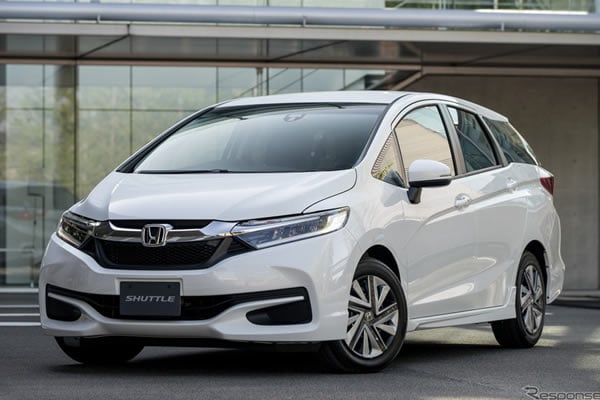
How to Buy Quality Used Cars Affordably
Buying a used car can be an excellent way to save money while still obtaining a reliable vehicle. However, it requires careful planning and informed decision-making to ensure that you get the best deal without compromising on quality. This guide will walk you through the essential steps to buy a quality used car affordably, covering key considerations and strategies.

Choosing the Perfect Economical SUV for the Elderly
Selecting an economical SUV for seniors involves considering affordability, comfort, and safety. This guide offers valuable tips to help older adults find their ideal vehicle.

Driving into the Future: Electric Cars for Seniors and Their Benefits
In today's world, electric cars offer seniors numerous benefits. This guide provides advice and tips to help seniors transition to electric vehicles seamlessly.

Maximizing Medicare Benefits for Senior Mobility Scooter Users
As the population ages, the importance of ensuring senior citizens retain mobility and independence becomes increasingly critical. For many seniors who have limited mobility, mobility scooters serve as a vital tool for enhancing quality of life. However, understanding how to maximize Medicare benefits for mobility scooter usage can be complex. This article aims to provide an overview of how seniors can navigate Medicare provisions to make the most of their mobility assistance devices.
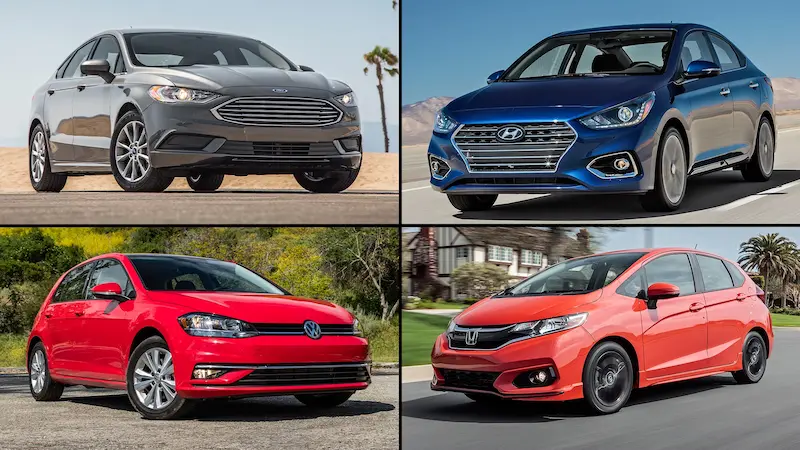
Smart Tips for Seniors to Find the Top Used Car Deals
As a senior looking to purchase a used car, you're in a unique position. With years of life experience under your belt, you have the wisdom to make informed decisions. However, the used car market can be complex and occasionally deceptive, and there are many factors to consider to ensure you get the best deal possible. This guide provides practical advice to help you navigate the used car market confidently and secure a reliable vehicle at a great price.
