This guide shows you how to use Vehicle Availability to find cars on sale and buy with confidence. “Vehicle Availability” is an industry term used by dealers and online marketplaces to describe what vehicles are currently in stock, where they’re located, and when you can realistically test-drive or purchase them. You’ll learn the top ways to compare inventory, pricing signals, and dealer policies across major online listings.
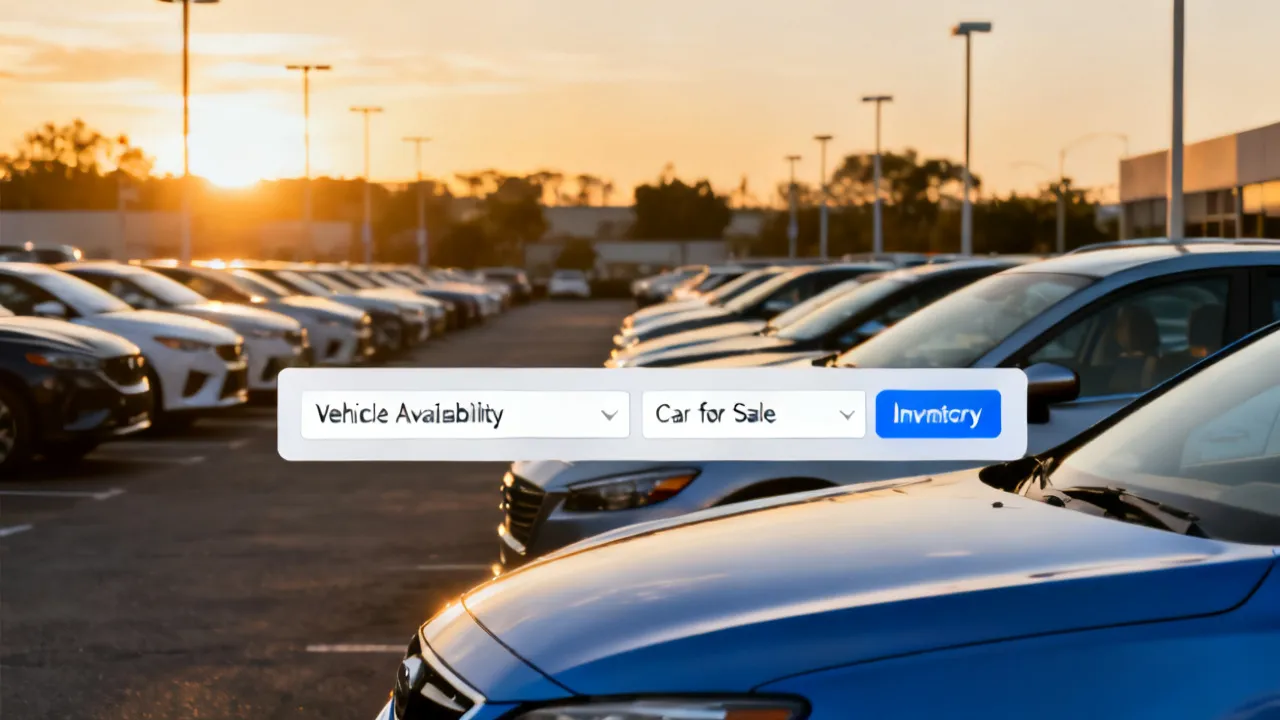
If your goal is to buy a car on sale efficiently, Vehicle Availability is the very practical concept to master. In plain terms, it answers three questions: Is the car actually available right now? Where can you see it? How quickly can you complete the purchase? When shoppers ignore availability and focus only on headline prices, they often discover the vehicle is already sold, the “sale” price depends on qualifying incentives, or the listing has changed since it was published. This guide helps you prevent that friction by turning inventory data into a decision tool.
Beyond saving time, treating availability as a real variable improves your bargaining position. If you know a car is currently sitting on a lot (or currently active in a dealer’s inventory system) and you can reach the seller quickly, you can move faster than the next shopper. Dealers respond differently to shoppers who are ready to inspect and decide. In other words, availability doesn’t only help you avoid wasted trips—it helps you approach the transaction at the right speed.
On dealer and marketplace websites, Vehicle Availability typically reflects live or near-live inventory status. While exact definitions vary by platform, you can generally expect availability to relate to one or more of the following:
From an industry perspective, availability is the bridge between “marketing price” and “transaction reality.” Treat it as a decision variable—not a background detail.
For many shoppers, the hardest part of buying a “car on sale” is not finding the listing. It’s finding the listing that is simultaneously accurate, reachable, and purchasable without the sudden inconveniences that appear when you show up or when you try to finance the deal. Vehicle Availability is the best early filter you have to eliminate uncertainty before you invest time.
It’s easy to assume that a car is either for sale or not. In practice, the concept is more layered. A vehicle may be “for sale” online yet not truly ready to deliver for multiple reasons, such as:
Availability signals help you spot these issues early. When you prioritize Vehicle Availability, you shift from “searching for a deal” to “executing a purchase plan.” That shift is often what separates frustration from success.
To use Vehicle Availability effectively, begin with marketplaces and official dealer platforms that publish inventory in a structured way. Below is a compact comparison of prominent sites that aggregate or host car listings and support shopping workflows (search, filter, request a quote, or schedule a test drive). This is particularly useful when you want to compare multiple sellers without manually checking each dealership’s inventory page.
| Platform | What It Helps You Do | Typical Availability Signals You’ll See |
|---|---|---|
| Cars.com | Search a broad range of dealer listings and browse current inventory. | Listing status, dealership details, and frequently updated availability context. |
| Carmax | Explore pre-owned vehicles using an inventory-first shopping approach. | In-stock indicators and dealership listing specifics tied to purchase workflow. |
| Car on Sale platforms (Caronsale / Autotrader) | Compare inventory and prices across multiple sellers in one environment. | Search filters that narrow results by current listings and location context. |
source: www.cars.com, www.carmax.com, www.caronsale.com/en, www.autotrader.com (source of information based on publicly available site descriptions and catalog structure)
Professional note: Each platform updates data differently. The very reliable practice is to treat listings as “current until proven otherwise” and confirm availability via the listing’s dealer-contact or appointment tools before you travel.
To make this actionable, think of each listing as having a “confidence score” in your mind. The more availability cues you see (in-stock wording, visible location, immediate appointment options, consistent price and mileage information), the higher your confidence. Lower confidence listings deserve a quick verification message before you plan your day around them.
Finding a cheap car isn’t only about chasing the lowest sticker price. In practice, the top deals often come from aligning (1) the right inventory moment and (2) the right cost-to-own assumptions. Here’s a method used by many experienced automotive retail analysts and bargain-focused shoppers.
This approach works best when you treat your search like a pipeline with stages. Instead of jumping straight to “lowest price,” you pass listings through stages: verify availability, verify eligibility pricing, confirm condition signals, then lock in the purchase timeline. By doing that, you avoid the common trap of buying something cheap that becomes expensive due to delays, missing incentives, or unexpected repairs.
Start with your preferred vehicle class (sedan, SUV, truck) and then filter by Vehicle Availability signals. If the site offers filters for availability status or dealer readiness (e.g., “available” inventory listings), prioritize them. A “price drop” on a sold unit is not a deal.
When you set filters, consider what “available now” means for your lifestyle. If you can only shop on weekends, a listing that requires transport or processing might be a mismatch. If you’re ready to buy immediately, you can use that advantage by focusing on vehicles that are already on the lot and ready for inspection.
Practical tip: Save your top 5–10 vehicles and check them again after a few hours or overnight. A listing that disappears or changes status may indicate how quickly inventory moves for that dealer or model line.
To evaluate whether a vehicle is truly a car on sale rather than merely “less expensive,” compare listings that are similarly aged and similarly configured. A bargain appears when the market hasn’t fully re-priced a unit due to timing, minor condition differences, or incomplete optimization of listing details.
“Inventory window” is the period when the listing is live and competitive in the market. Some cars appear cheap because they are newly listed, and dealers haven’t yet priced them to match the broader region. Others appear cheap because they are nearing the end of a sales promotion or because the dealer is clearing inventory that is slow-moving.
Example of what to avoid: You find a “deal” on a base trim model and compare it to a higher-trim listing that has more equipment. The price gap is not always a true discount; it can be a difference in features that directly affects resale value and repair complexity.
Many “on sale” prices depend on conditions—such as financing terms, trade-in assumptions, eligibility requirements, or timing. The very efficient way to avoid surprises is to confirm what’s included in the advertised total selling price and what is dependent on your deal structure.
Deal pricing is often a combination of base vehicle price plus incentives minus rebates. If you don’t qualify for incentives (for example, you don’t have a qualifying trade-in, your credit profile leads to different financing terms, or the program requires enrollment), the “on sale” number may not represent your real out-of-pocket cost.
Ask the dealer (or request details through the platform) for:
Practical checklist for your message: “Can you confirm the vehicle is still available, and provide the out-the-door price based on my scenario (no trade-in / my expected financing rate / my term length)? Also, is the advertised discount tied to any specific incentives I might not qualify for?”
A “cheap” car can become expensive if it requires urgent logistics or if you repeatedly travel for units that aren’t ready. Vehicle Availability allows you to reduce wasted visits. Confirm whether the vehicle is accessible for inspection, whether it’s still active in inventory, and whether appointment timing is realistic.
Why this reduces cost: Every wasted trip or repeated interaction has an opportunity cost. Even if the car is cheap, your time, transportation expense, and negotiation fatigue can outweigh the savings. Availability-first shopping focuses your effort where the deal can actually close quickly.
Online listings are summaries, not the full inspection report. A professional approach is to treat listing photos and descriptions as screening tools, then verify with a pre-purchase inspection (PPI) and a careful review of service history when possible.
Some sellers invest in detailed photos and clear condition notes. Others provide generic pictures and vague descriptions. Those differences matter. Aggressive “on sale” listings with poor clarity may be discounting for a reason—sometimes minor, sometimes major. Availability ensures you contact the seller about pricing; condition signals help you avoid buying something cheap that may require costly repairs.
For used vehicles—especially those marketed aggressively as “on sale”—inspect for signs that could affect total cost:
Budget-level note: If the vehicle needs immediate items (tires, brakes, major services), the “sale” price should be adjusted mentally. A deal is only cheap when the total cost after reasonable maintenance still meets your budget.
From an expert standpoint, a “cheaper monthly payment” isn’t always a better deal if the total selling cost rises. Instead, compare:
This is how you prevent a situation where a vehicle is discounted but the transaction economics become less favorable.
Also consider the difference between OEM-backed warranty and extended third-party coverage. Even if both appear in the paperwork, their claim processes, covered components, and deductible terms can vary widely. If the sale is “cheap” but the warranty is weak, your long-term risk might be higher than you expect.
To make your shopping process more predictable, it helps to understand the typical conditions that determine whether a car remains “available” through the final step.
| Condition / Requirement | How It Affects Vehicle Availability | What You Should Do |
|---|---|---|
| Real-time inventory updates | Some listings may lag behind actual status. | Confirm availability before scheduling or traveling. |
| Price eligibility terms | Sale price can change based on financing/trade-in conditions. | Request out-the-door numbers and eligibility details in writing. |
| Dealer processing timeline | Even if a car is in stock, paperwork readiness may delay sale completion. | Ask about timelines for title, inspection, and appointment slots. |
| Vehicle location and transport | Availability may be limited to a different showroom location. | Verify the physical location and time needed for transfer. |
| Vehicle hold / reservation rules | Some inventory systems reserve a unit for a short window; others do not. | Ask what happens if you’re not ready immediately. |
| Condition reconditioning schedule | Vehicle might require detailing or repairs before being listed “ready.” | Ask whether it’s already been inspected and reconditioned. |
Key mindset: availability is not just a label; it’s a set of operational realities. When you confirm those realities, you reduce the odds that your “cheap” purchase becomes a frustrating chase.
In many retail cycles, pricing and inventory behavior are closely linked. Vehicles that sit longer on the lot (or in the online catalog) may receive additional pricing attention, while vehicles that sell quickly may get new listings with similar trims and slightly different configurations. That’s why Vehicle Availability is more than an operational feature—it’s a timing indicator.
Experienced shoppers often look for a pattern: the listing has been active long enough for the market to “price in” demand, but still recent enough that documentation and condition notes reflect the current state of the vehicle. This is where many “cars on sale” opportunities emerge.
In addition, availability timing can affect your negotiation leverage. If a vehicle is moving slowly, dealers may accept stronger discounts to remove inventory carrying costs. If a vehicle is moving quickly, discounts may be smaller—but you might benefit from simpler negotiations if the car is already priced competitively.
In either case, the correct response is not to guess—it’s to use availability data to position yourself. If a unit is available and easy to inspect, you may be able to lock it down before a competing buyer forces the price up. Conversely, if multiple similar vehicles remain available for a longer time, you can use that as evidence for negotiating more aggressively.
This checklist intentionally blends availability and economics. Many shoppers excel at finding low prices but neglect the steps that prove the deal is real. The goal is to buy cheap and buy confidently.
Even smart shoppers can misread availability data. The very frequent errors include:
To avoid these issues, treat every listing as a conversation starter rather than a final statement of truth. Availability is a signal—but confirmation turns it into certainty.
Availability-first shopping works best when you confirm quickly and efficiently. Below are practical ways to verify a listing without going back and forth for days.
Option A: Short call script
Option B: Email or chat template
“Hello! I’m interested in the [year make model trim] listed on [site] with stock number [stock #]. Can you confirm it is still available and ready for inspection? Please also share the out-the-door price and clarify whether the advertised sale price requires any financing, trade-in, or eligibility conditions. If possible, I’d like to schedule a test drive for [day/time]. Thank you.”
Why these scripts work: They cover the entire availability chain: status, location, timing, and pricing conditions. That prevents you from discovering late in the process that the car is reserved or that you don’t qualify for the “sale” incentives.
One reason shoppers feel overwhelmed is that each dealer frames pricing differently. Some dealers show online price as a “special Internet price” while others show list price and rely on rebates to reduce the final number. Availability-first comparison helps you standardize what you’re evaluating.
When comparing two listings, ask:
Then compare the answers, not just the numbers. The dealer that provides fast access to the car and clear pricing structure often has fewer operational barriers. That translates to less risk for you.
Not all “cars on sale” are discounted because they are unwanted. Some are discounted because manufacturers run promotions, because dealerships need volume, or because they are clearing inventory at the end of a month/quarter.
But there’s another category: vehicles that remain available online yet attract strong interest quickly. These are “in demand” but may still show as available if the dealer has not updated the listing immediately or if there are multiple similar units. The strategy for these cars is different: you need to confirm fast and be ready to act.
In practice, you can categorize your top listings into:
Vehicle Availability is what lets you detect which category you’re in. A listing that has been “available” for weeks might be discount-driven, while a listing that changes quickly might be demand-driven. Your negotiation and scheduling should match that reality.
Availability-first shopping becomes significantly easier when you create a timeline you can follow. Below is a sample workflow you can adapt.
Day 1 (Morning): discovery and shortlisting
Day 1 (Midday): verify availability for top 3
Day 1 (Evening): schedule inspections/test drives
Day 2 (Afternoon): compare totals and finalize
Why this reduces waste: By verifying availability early, you avoid spending Day 2 looking at cars that are actually reserved. You also make sure you’re not trapped by timing constraints later.
If you only look at availability, you may buy a vehicle that is easy to access but not worth the money. If you only look at condition signals, you may miss the opportunity to buy a legitimately discounted car before it’s gone. The best deals combine both.
Consider using a simple two-lens framework:
A “cheap” deal that is high risk under Lens 2 is not truly cheap. A “cheap” deal that is low readiness under Lens 1 is not worth the time. You want both readiness and acceptable risk.
Sometimes a car appears available online and you confirm it over the phone, but the purchase stalls. That can happen due to:
If you run into this, treat it as a workflow problem and reset your plan. Ask for a timeline:
Availability doesn’t guarantee that everything will close instantly—but verifying operational readiness early allows you to predict delays. Your goal is not just to find a cheap listing; it’s to complete the transaction smoothly.
Availability behaves differently depending on vehicle type and demand level. A compact sedan might be widely available, while a specific truck configuration could be rarer in your region. Your strategy should reflect that.
Sedans
SUVs
Trucks
Regardless of type, availability-first shopping ensures you’re not chasing listings that won’t become deliverable deals.
It generally indicates that a vehicle is listed as currently in inventory and available for a next shopping action—such as viewing, test driving, or purchase—along with contextual details like dealership location. Because platforms update differently, you should confirm status before traveling.
Not always. Many sale prices can depend on incentives, financing terms, trade-in assumptions, or eligibility requirements. For accuracy, request the out-the-door price and the conditions that must be met to receive the advertised discount.
Use availability filters to focus on active listings, compare prices across similar trims and mileage, verify out-the-door totals, and complete a pre-purchase inspection where appropriate. A deal is only “cheap” when total ownership costs are reasonable and the transaction terms are clear.
Vehicle availability can change quickly when another buyer reserves, purchases, or the dealer updates the inventory system. Confirm status close to your scheduled test drive and ask about hold/reservation policies.
Large marketplaces and official listing platforms tend to provide strong search and filtering capabilities, making them useful for inventory comparisons. Common examples include Cars.com, Carmax, and platforms such as Caronsale and Autotrader, each with their own update cadence and inventory sourcing.
It depends on your budget and priorities. Lower purchase price can be attractive, but a slightly higher price may yield better reliability, warranty coverage, or lower risk. A structured comparison of total costs—insurance, fuel, repairs, and maintenance—helps you choose rationally.
Ideally, confirm on the same day you plan to visit (or within a few hours of your appointment). If you must travel long-distance, confirm again shortly before departure. Listing data can lag, and inventory can change due to holds or rapid sales.
Ask for an itemized out-the-door quote and request a breakdown of what incentives or eligibility conditions apply. Ensure you understand whether the advertised sale price requires a specific financing approval, a qualifying trade-in, or enrollment in a promotional program.
Yes. If a vehicle has been available for a long time, you may negotiate more confidently because demand appears weaker. If the vehicle is in high demand (still available but likely to sell quickly), you may negotiate on speed and certainty—moving quickly with clear paperwork rather than waiting for prolonged negotiation.
First confirm availability for both. Next verify trim/options, mileage, and condition signals. Then ask for service history and any accident or damage disclosures. A cheaper price can be legitimate, but it can also reflect repairs or missing features. Use a PPI for high-impact risks before committing.
1) The above information comes from online resources, and the data is as of October 2023. 2) For more information, please refer to the official website.
Striking the Perfect Balance: Navigating Premiums and Out-of-Pocket Expenses in Senior Insurance Plans

Explore the Tranquil Bliss of Idyllic Rural Retreats

How to Make Lasting Memories at Disneyland Attractions

4rkojvsx Technology: Industry Insights and Buying Guide

Affordable Phones and Plans for Seniors

Affordable Full Mouth Dental Implants Near You

Unlock the Top Kept Secrets to Finding Your Ideal Dentist for Flawless Dental Implant Results!

Discovering Springdale Estates

Unveiling RS Sul Telecom Services


The Guide to Car Trading
This comprehensive guide explores the dynamics of car trading through the lens of organizational culture theories by Cameron & Quinn. With a focus on how these theories influence business operations and consumer behavior in the car trading industry, this article also introduces platforms where vehicles are commonly traded. Considered resources like Autotrader and Carmax, ensuring access to up-to-date car listings and information.
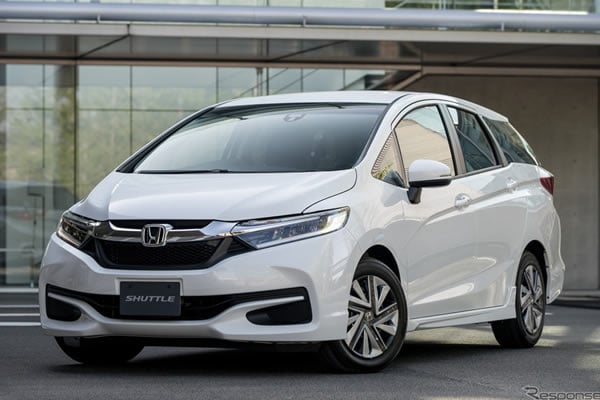
How to Buy Quality Used Cars Affordably
Buying a used car can be an excellent way to save money while still obtaining a reliable vehicle. However, it requires careful planning and informed decision-making to ensure that you get the best deal without compromising on quality. This guide will walk you through the essential steps to buy a quality used car affordably, covering key considerations and strategies.
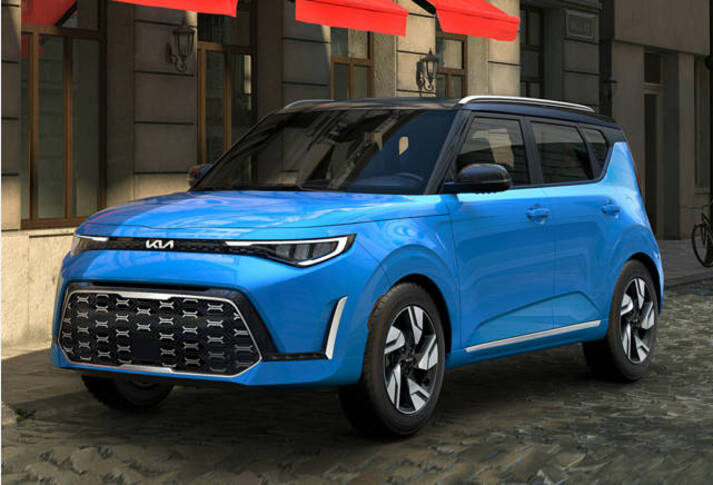
Choosing the Perfect Economical SUV for the Elderly
Selecting an economical SUV for seniors involves considering affordability, comfort, and safety. This guide offers valuable tips to help older adults find their ideal vehicle.

How to Buy a Camaro on Sale: Expert Guide
This guide explains how to research, compare, and purchase a Chevrolet Camaro on sale using reputable online car marketplaces. In objective terms, “Camaro” refers to a long-running American performance model whose pricing varies by trim, model year, condition, and demand. Consumers typically compare inventory across dealers, certify vehicle history, and verify total out-the-door costs before committing.
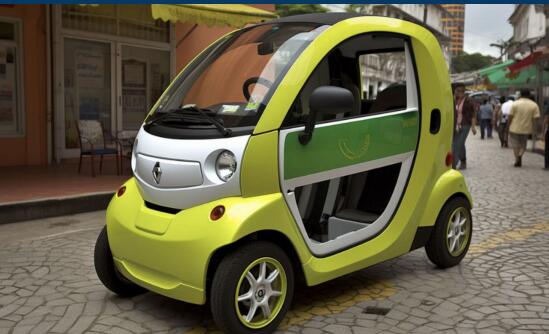
Driving into the Future: Electric Cars for Seniors and Their Benefits
In today's world, electric cars offer seniors numerous benefits. This guide provides advice and tips to help seniors transition to electric vehicles seamlessly.

Maximizing Medicare Benefits for Senior Mobility Scooter Users
As the population ages, the importance of ensuring senior citizens retain mobility and independence becomes increasingly critical. For many seniors who have limited mobility, mobility scooters serve as a vital tool for enhancing quality of life. However, understanding how to maximize Medicare benefits for mobility scooter usage can be complex. This article aims to provide an overview of how seniors can navigate Medicare provisions to make the most of their mobility assistance devices.
