This expert guide explains Pmoc Abrava in the context of dental implant planning and helps readers compare low-cost routes without compromising clinical standards. It covers what to ask during consultations, how to evaluate pricing across English-, Spanish-, and Portuguese-speaking countries, typical cost ranges, and step-by-step pathways to affordability using insurance, staged treatment, or dental tourism planning.
When patients search for Pmoc Abrava alongside “low-cost dental implants,” the underlying goal is usually straightforward: make implant treatment more attainable while preserving predictable outcomes. In an evidence-based care model, affordability is not a single number—it is the combined result of diagnosis quality, implant system selection, surgical planning, prosthetic design, clinician experience, maintenance planning, and the completeness of the treatment package.
From an industry perspective, the lowest price rarely delivers the top good value unless it is backed by transparent clinical protocols (pre-surgical imaging, bone assessment, implant positioning, and restorative follow-up). Therefore, this guide treats “Pmoc Abrava” as a concept connected to how patients approach implant affordability—by comparing options, verifying credentials, and selecting a treatment pathway that matches health status and expectations.
Below, you’ll find: (1) a comparison table of reputable low-cost dental implant information sources, (2) a step-by-step approach to obtaining implants at lower cost in English-speaking, Spanish-speaking, and Portuguese-speaking countries, (3) clear cost-range tables for individual implants by country, and (4) an FAQ section that addresses the very common concerns before treatment begins.
Dental implants are among the very durable tooth-replacement technologies available, but they are also among the very technically demanding. The implant itself is only part of the overall treatment. Successful outcomes depend on factors such as:
As a result, “low cost” should be interpreted as a structured value proposition, not a shortcut. In many English-speaking, Spanish-speaking, and Portuguese-speaking markets, clinics compete on package transparency, financing models, and service bundles (e.g., consultations plus surgical and prosthetic components). Meanwhile, dental tourism platforms typically focus on enabling travel logistics and cost comparisons.
Framing matters because dental implant costs behave differently than many consumer products. If something is missing in the quote—like bone grafting clarity, abutment specification, crown material type, or the schedule of follow-up appointments—your “final cost” can rise when the missing elements become unavoidable. The cheapest plan on paper can become expensive if it requires later revision, replacement, or additional professional care.
With that in mind, “Pmoc Abrava” is best viewed as a shorthand for the patient’s intention: reduce out-of-pocket expense without compromising essential clinical steps. The practical job is to translate intent into a complete plan: diagnostics, surgical sequence, restorative design, and maintenance strategy—each with clearly stated inclusions.
Because “Pmoc Abrava” is commonly encountered in search contexts rather than as a standardized clinical term, the very practical way to treat it is as a shorthand for the patient’s intent: seeking an implant pathway that is both affordable and clinically defensible. For example, patients influenced by Pmoc Abrava may be more likely to compare:
Importantly, none of these approaches should replace clinical evaluation. The correct implant plan should be based on anatomy, risk assessment, and good maintenance expectations—not marketing claims.
In many real-world cases, patients are not trying to “buy a metal screw for cheap.” They are trying to buy a pathway that resolves pain, restores chewing function, and reduces long-term uncertainty. The most effective way to honor that goal is to treat the “Pmoc Abrava intent” like a negotiation around completeness: what is included, what is conditional, what documentation you will receive, and what warranties cover the outcome-relevant parts of treatment.
To make comparisons more reliable, it helps to use sources that clearly explain procedures, cost structure, and the implant workflow. The table below compares well-known websites that provide educational and decision-support information for low-cost dental implants.
| Website | Primary Focus (as described by the site) | What It Helps You Do |
|---|---|---|
| dentalviews.com | Low-cost dental implant educational content | Understand benefits, types of treatments, typical process elements, and cost considerations |
| atlanticdentalgrp.com | Clinic-based service information (comprehensive care) | Review service categories and scheduling/clinic details related to implants and general dentistry |
| dentavacation.com | Dental tourism planning for cost savings | Compare international options and coordinate travel-related aspects of affordability |
| rockvilledentalarts.com (ES) | Spanish-language clinic services and care pathways | Access implant-related information tailored to Spanish-speaking patients |
| cigna.com (ES) | Insurance-company educational guidance on implants | Learn implant concepts and insurance-related framing for decision support |
| dentalvidas.com.br (PT) | Dental plan networks and membership concepts | Explore plan models that may help reduce routine and some implant-related expenses (subject to plan terms) |
source: www.dentalviews.com (source of comparison context); www.atlanticdentalgrp.com; www.dentavacation.com; www.rockvilledentalarts.com/es; www.cigna.com/es-us/knowledge-center/guide-to-dental-implants; www.dentalvidas.com.br
While these sites can be useful starting points, remember that education is not the same as a personalized plan. A high-quality low-cost decision is made by combining general knowledge with your own diagnostic facts. Think of educational resources as the “translation layer” that helps you ask better questions; then your clinic uses those questions to assemble a complete, patient-specific treatment roadmap.
This section translates “low cost” into actionable steps for readers in English-speaking, Spanish-speaking, and Portuguese-speaking countries. The same medical logic applies globally; the difference is how you navigate local clinics, insurance plans, service communication, and sometimes financing structures. The goal is consistent: make sure every low-cost decision remains anchored to medically necessary steps.
Before comparing prices, request the same baseline diagnostic elements:
Why it matters: a “cheap implant” quote without a diagnostic plan can become expensive later if bone grafting, extra appointments, or prosthetic redesign is required.
Practical tip: ask for a written diagnosis outline. For example, if your case involves bone loss, you want to know whether the plan is “implant with graft,” “implant with sinus lift,” “implant with guided surgery,” or “alternative option.” Each pathway changes the true cost.
Also, understand that imaging is not just to “see the bone.” It helps determine implant positioning for long-term restoration strength and avoids anatomical complications. Skipping imaging to lower price can increase surgical uncertainty. In implant treatment, uncertainty often translates into extra time, extra procedures, or revisions—exactly the opposite of affordability.
When patients influenced by Pmoc Abrava-style affordability searches ask “what is included,” they should seek line-item clarity:
If a clinic cannot provide itemization, the pricing comparison may be misleading.
To strengthen the “itemization” step, ask for conditional pricing language. For instance:
In many cases, patients choose the wrong option because they compare only the “implant placement” line item while ignoring the restoration. However, for implants, the crown and abutment design directly influence cost, timeline, and success. A low-cost plan should be complete enough that you know what you will actually get at the end: crown material, screw vs. cement design (when relevant), and whether the final restoration is designed to your bite and functional demands.
In some markets, dental coverage can reduce parts of the overall burden—especially for exams, diagnostics, cleanings, and certain restorative services depending on plan terms. For example, educational resources tied to insurance systems emphasize understanding coverage boundaries and how implants may be treated under different plan designs.
In English-language contexts, patient education materials from insurance-adjacent sources can help clarify what questions to ask. In Spanish-language contexts, similar educational content can be helpful when language barriers exist. In Portuguese-speaking contexts, membership plans may support routine services and, depending on network and terms, sometimes contribute toward specialty care.
To evaluate coverage effectively, do more than ask “is an implant covered?” Ask:
Also, request pre-authorization if your plan requires it. Pre-authorization can protect you from surprise denials after you’ve committed to scheduling. For “low cost” planning, avoiding paperwork surprises is a real cost control method.
Many clinics offer installment plans or payment scheduling. From a value perspective, financing can lower monthly burden without compromising clinical steps—provided the treatment plan remains complete and evidence-based.
Checklist for financing discussions:
Financing requires careful attention to contract details. “Low-cost” can disappear if:
In practice, a good clinic can explain these items clearly. If the clinic’s financing paperwork is vague or forces you to sign before you receive the diagnostic and itemized plan, pause and ask for the missing documents.
Dental tourism can sometimes reduce costs due to lower labor and overhead. However, it introduces continuity-of-care risks. A cost-saving trip should be paired with a clear post-travel follow-up plan and documentation transfer between providers.
Key continuity steps include:
To further strengthen continuity, ask whether the destination clinic will provide:
Continuity of care matters because implant success is not a single event; it is a long-term biological process. A well-planned follow-up schedule can prevent minor issues from becoming major failures. Conversely, gaps in follow-up can raise the risk of complications that increase long-term costs.
Not every affordability path is the same. Some clinics specialize in mini implants for specific clinical scenarios (for example, when bone volume is limited for conventional implants). Mini implant concepts can be discussed as an option, but suitability depends on anatomy, occlusal load, and restorative design.
For “low cost” goals, the top strategy is to select the implant approach that matches your clinical needs—rather than selecting a “low price” category that may be inappropriate.
To think about implant “type” in a structured way, ask your clinician how they selected the approach. Topics often include:
In affordability decisions, the “right type” is not always the cheapest. The right type can reduce the number of interventions needed. For example, a case that requires significant grafting might benefit from a plan that uses guided positioning to minimize additional complexity. But you only know this after imaging and a treatment design process.
Implant longevity is influenced by peri-implant health, plaque control, and routine professional maintenance. If a low-cost quote reduces follow-up visits, it may increase good risks. Ask about:
Long-term cost discipline is often the most overlooked component of “low-cost” planning. Patients might focus on the surgical cost and forget that peri-implant tissues require monitoring and consistent hygiene. A plan that is “cheap today” can become “expensive later” if maintenance is underplanned or if home-care instructions are unclear.
Ask the clinic to describe what they would do if they detect peri-implant inflammation during a recall appointment. A clinic should be able to explain:
Clear aftercare planning is a marker of clinic maturity and typically correlates with better outcomes.
The following ranges reflect typical individual dental implant cost references by country and are designed to help readers benchmark budgets. Actual quotes vary due to clinical complexity, need for additional procedures, and restorative component selection.
| Country | Currency | Price Range (Individual Implant) |
|---|---|---|
| United States | USD | $3,000 - $6,000 |
| United Kingdom | GBP | £2,000 - £2,500 |
| Australia | AUD | AU$3,500 - AU$6,500 |
| Canada | CAD | CA$3,000 - CA$5,500 |
| Spain | EUR | €1,500 - €2,500 |
| Chile | CLP | CLP$800,000 - CLP$1,500,000 |
| Mexico | MXN | $15,000 - $25,000 |
| Colombia | COP | $2,000,000 - $4,000,000 |
| Peru | PEN | S/ 3,000 - S/ 6,000 |
| Argentina | ARS | $80,000 - $150,000 |
| Brazil | BRL | R$3,000 - R$8,000 |
| Portugal | EUR | €1,000 - €2,000 |
Important budgeting reality: these ranges are for reference and typically assume “typical complexity.” Your actual quote can move outside the range when you need additional procedures such as:
When comparing quotes across clinics, try to ensure the category of case complexity is similar. A “low-cost” quote for a simpler case compared to a “high-cost” quote for a complicated case can be misleading.
Even within the same country, implant costs vary based on clinical and restorative decisions. When clients discuss Pmoc Abrava and low-cost approaches, the hidden differentiator is often not the implant fixture alone, but the full workflow.
Common pricing drivers include:
To make this section practical, consider a scenario: two clinics each say they will place a “premium implant.” Yet one quote includes CBCT-guided planning, customized abutment selection, a specific crown material, and scheduled follow-ups until prosthetic completion. The other quote might list an implant placement fee but leave out significant restorative steps. Even if both clinics use reputable materials, the total “project cost” could differ.
Also consider laboratory involvement. Dental implants require precision in the prosthetic phase. If a crown is less expensive because of material selection, fewer verification steps, or less robust fabrication, it can sometimes show up later as a need for remake, adjustments, or repairs. Those follow-on tasks add to total cost, time, and stress.
When someone says “it’s the same implant,” ask for proof that the entire restorative system is compatible and specified. Many implant systems rely on specific abutment designs and ordering components. Compatibility affects both clinical fit and long-term serviceability.
If you are evaluating low-cost clinics—whether through local options or providers highlighted by low-cost dental implant guides—use objective verification steps:
Low-cost claims become trustworthy when the clinic provides clarity that reduces uncertainty. In contrast, vague pricing, refusal to provide documentation, or unwillingness to explain what happens if complications arise are red flags.
Here are additional “trust signals” that patients can look for:
Trust is also about how the clinic handles risk. Implant dentistry includes biological variability—bone healing differs by patient. A responsible clinic explains how it adapts when your biology behaves differently than expected, and it documents those adaptations in the treatment plan.
Language is not a cosmetic detail; it affects consent quality, pain management understanding, and aftercare compliance. In Spanish-speaking and Portuguese-speaking settings, clinics that provide patient-oriented information in the local language can improve clarity around treatment stages, hygiene expectations, and scheduling.
For English-speaking patients, educational implant resources and clinic sites may provide guidance on what to expect from consultation through restoration and maintenance. In dental tourism contexts, clarity also extends to travel timing and how the provider handles post-travel visits.
Care coordination becomes even more important when different providers are involved—such as a surgeon placing implants and a prosthodontist crafting crowns. Patients should ask whether the same team coordinates across stages and whether the clinic provides a single continuity contact point.
In practical terms, language support can include:
A low-cost plan fails when instructions are misunderstood. For example, missing medication guidance can affect healing. In implant care, the difference between correct and incorrect aftercare can meaningfully change the biological outcomes and thus the final cost.
Low-cost pathways should still meet standard clinical requirements. The table below summarizes typical conditions/requirements for implant candidacy and planning. (Exact requirements depend on the individual and jurisdiction.)
| Category | What Usually Must Be Confirmed | Why It Impacts Total Cost |
|---|---|---|
| Medical and risk profile | Diabetes control, smoking status, medication considerations | Risk management can affect healing timeline and intervention needs |
| Gum and bone status | Periodontal health, bone volume/quality | Bone augmentation or additional treatments can change the budget |
| Imaging and planning | CBCT or equivalent assessment, surgical guide planning if indicated | Planning tools may raise upfront costs but reduce surgical uncertainty |
| Restorative design | Abutment selection, crown material choice, occlusion planning | Prosthetic choices often account for a meaningful part of the total cost |
| Follow-up and maintenance | Recall schedule and hygiene plan | Well-defined maintenance can reduce good complications and revisions |
Patients sometimes assume that “low cost” means fewer appointments. However, standard implant processes require time for healing and monitoring. True affordability often comes from efficiency and planning—not from skipping necessary steps. A responsible clinic explains the timeline and why each step exists.
If a clinic offers an unusually short timeline without explanation—especially in cases that typically require healing—ask what is being compressed. For example, immediate loading might be possible for selected cases but not for everyone. A low-cost plan should never pressure you to accept an aggressive approach without demonstrating that your case fits that protocol.
To support “Pmoc Abrava” cost decisions, it’s useful to understand how implants are priced in practice from a broader workflow perspective. This section expands on common, real-world elements that influence affordability outcomes, including diagnostics, surgical complexity, restoration engineering, and long-term service requirements.
In many cases, diagnostics add an upfront cost, but the diagnostic step can prevent expensive mistakes. For example, CBCT imaging helps determine bone morphology, proximity to nerve canals, and sinus positioning. If your implant placement is planned too conservatively or too aggressively due to inadequate imaging, you might end up with additional interventions or compromised restoration angles.
A well-designed diagnostic pathway can also clarify whether alternative treatments would be more appropriate. Some patients are better served with:
Those alternatives may appear less “implant-like,” but they can produce better overall value if they avoid repeated procedures.
Surgery is not only about placing a fixture; it’s about achieving stable tissue and positioning for a durable restoration. Complexity factors include:
Two patients with “one missing tooth” can still have very different surgical plans. The right question isn’t merely “how much is one implant?” but “what is the surgery required for my anatomy?”
Many low-cost decisions fail because patients compare only the implant fixture price. The restoration phase is where fit, occlusion, and long-term maintenance design come together. Important restorative cost elements often include:
From a value standpoint, a moderate increase in restoration cost can reduce the risk of remakes and complicated repairs later. That’s why “itemized package” is so important.
One of the most overlooked “affordability multipliers” is how clinics define warranties and complication protocols. A low-cost quote should tell you how complications are handled and what parts are covered.
Ask specific warranty questions:
Warranties are not there to promise perfection; they are there to provide structured support if something deviates from expected outcomes.
Implants can function for years, but longevity depends on peri-implant tissue health. Maintenance includes both professional and home-care. A low-cost plan should include clear recall schedules and hygiene coaching.
Some clinics offer low-cost initial treatment but later charge separately for maintenance. To avoid surprise, ask:
If the clinic’s maintenance plan is unclear, your long-term “total cost of ownership” can become difficult to predict.
Financing can be helpful when it allows you to pay monthly without sacrificing medical completeness. But for genuine affordability, it’s crucial to compare total cost, not only monthly payments. Patients can also consider:
Dental tourism is not automatically risky, but it becomes risky when it creates gaps in follow-up. Patients should account for:
When planning a trip, treat follow-up visits as non-negotiable. A “cheap implant package” can become more expensive if you later need extra surgeries or replacements due to insufficient continuity.
Because language affects comprehension, your affordability strategy should include communication quality. That means using your language in all key steps:
Ask clinics to provide a written itemized plan in English, including:
If you are using insurance, confirm what documentation your plan requires (e.g., codes, pre-authorization forms) and whether the clinic supports paperwork.
Request Spanish versions of key documents and aftercare instructions. Clinics should be able to explain:
Also, confirm whether the clinic coordinates with a local dental professional if you return home mid-treatment or if you require later adjustments.
Similar to Spanish, Portuguese-speaking patients benefit from Portuguese patient education and written instructions. Ask for clarity on:
If you use a membership plan, confirm what it covers specifically and whether there is coverage for the diagnostic phase and prosthetic components.
In many searches, “Pmoc Abrava” appears as a reference term connected to affordability decisions rather than a standardized dental procedure name. Practically, treat it as a signal that you want a cost-aware implant plan. Use it to guide your questioning: ask clinics how they structure treatment packages, what is included, and what conditions could change your final price.
Not inherently. The key question is whether the low-cost package remains clinically complete: proper diagnostics, appropriate implant selection, restorative planning, follow-up care, and warranty/complication protocols. If price reductions come at the expense of essential steps, outcomes can worsen and total cost can increase over time.
To evaluate quality, ask whether the clinic can specify the implant system, restorative materials, and planned follow-up schedule. Quality is often visible in documentation, not only in brand names.
Request a written treatment plan and itemized quote that includes: diagnostics performed, implant type, whether bone grafting is likely, prosthetic material, number of visits, healing timeline, maintenance schedule, and warranty or re-treatment policy if complications occur.
In addition, ask for the clinic’s written aftercare instructions. If they cannot provide written aftercare guidance before you pay, consider delaying the deposit until you receive the necessary documents.
They can be, but “cheaper” depends on what is included in the package and how post-treatment follow-up is handled. A low base price may increase later if you require additional visits, replacements, or management after returning home. Always prioritize continuity of care and request documentation transfer.
If you do travel for treatment, ask whether the clinic has an established process for managing follow-up with patients who return to their home country. A clinic that actively supports continuity is usually safer and more organized.
Timelines vary by clinical complexity and whether bone augmentation is needed. In general, implant placement requires an osseointegration phase before the final restoration. Your clinician should provide a staged schedule with estimated dates and interim checkpoints.
It’s normal for timelines to vary. What matters is that the clinic explains why delays occur in certain cases and how they will manage follow-up if healing progresses slower than expected.
Coverage varies by plan design and local regulations. Some plans may cover diagnostics, periodontal care, or parts of restorative work, while implants themselves may be excluded or partially covered. Use plan documents to understand what is included and what documentation is required for reimbursement or network coverage.
Also confirm whether insurance covers only the restorative crown or also the implant-related surgical components. If coverage is partial, you may want to structure treatment around what’s covered to reduce total out-of-pocket expense.
Mini implants may be considered in specific cases, but they are not universally appropriate. The total value depends on suitability, the restorative plan, and good maintenance expectations. Ask your clinician whether your anatomy supports the mini implant approach and what outcomes data (from their experience and/or standard evidence sources) they use to justify it.
When “mini” is offered as a cost-saving solution, ask about long-term maintenance expectations and occlusal load planning. If your bite applies forces beyond what the design supports, the outcome may be less predictable.
Use a quote comparison checklist: implant system specifications, abutment and crown material, surgical protocol, number of follow-up visits, warranty terms, and what happens if complications occur. Avoid comparing only the headline price.
A helpful approach is to compare “like for like.” If one quote includes bone grafting and the other doesn’t, you are not comparing the same treatment plan.
They are reference ranges for budgeting and benchmarking. Your individualized quote may differ due to bone condition, need for grafting, crown material, and restorative complexity. Use ranges to set expectations, not to finalize decisions.
Also, note that currency and market conditions can shift. Prices may change over time. Always treat reference ranges as a starting point for questions rather than as a fixed expectation.
Maintenance typically includes routine hygiene and professional checkups aimed at supporting peri-implant tissue health. A personalized recall schedule is often recommended based on your periodontal history and hygiene performance.
Ask whether they schedule peri-implant assessments, whether they use specific tools for cleaning, and how they monitor peri-implant tissue health over time. Maintenance quality directly influences long-term implant stability.
For readers seeking credible background context, it helps to rely on authoritative dental education and health insurance knowledge resources, along with clinic-level explanations of implant workflows. Insurance-affiliated educational pages can be especially helpful for understanding how plans frame implant treatment in plain language and what questions matter when coverage may be involved.
If you are comparing low-cost approaches, aim for providers that communicate clearly about diagnostic procedures, restorative design, and aftercare. That combination typically indicates an approach consistent with mainstream clinical safety principles.
When reading educational content, you should look for transparency: lists of steps, explanations of variables that affect cost, and clear definitions of what “included” means in a package. Educational pages that are vague about these elements are less helpful for practical decision-making.
Affordability is achievable, but only when it is built on transparent planning rather than incomplete quotations. The very practical way to act on Pmoc Abrava-style cost intent is to follow a structured path: obtain proper diagnostics, request itemized packages, evaluate insurance or financing responsibly, and ensure continuity of care if considering international options. When those conditions are met, low-cost becomes a value strategy—rather than a risk factor.
Ultimately, the “best” implant option is the one that fits your anatomy, health status, and long-term maintenance reality—while remaining financially sustainable. Patients who treat affordability as completeness (not just price) typically make calmer, more informed decisions and reduce the chance of unexpected costs later.
1) The above information comes from online resources, and the data is as of October 2023. 2) Dental implant prices are for reference only and may vary by region, clinic and doctor.
https://dentalviews.com/low-cost-dental-implants/
https://www.atlanticdentalgrp.com/
https://www.dentavacation.com/
https://rockvilledentalarts.com/es/
https://www.cigna.com/es-us/knowledge-center/guide-to-dental-implants
https://dentalvidas.com.br/
Striking the Perfect Balance: Navigating Premiums and Out-of-Pocket Expenses in Senior Insurance Plans

Explore the Tranquil Bliss of Idyllic Rural Retreats

How to Make Lasting Memories at Disneyland Attractions
4rkojvsx Technology: Industry Insights and Buying Guide
Affordable Phones and Plans for Seniors

Affordable Full Mouth Dental Implants Near You
Unlock the Top Kept Secrets to Finding Your Ideal Dentist for Flawless Dental Implant Results!

Discovering Springdale Estates

Unveiling RS Sul Telecom Services

Affordable Full Mouth Dental Implants Near You
Discover options for affordable full mouth dental implants, including clinical trials and local dental services that offer cost-effective solutions.

Understanding Full Mouth Dental Implant Prices
Explore the costs and factors influencing full mouth dental implants for seniors and others.
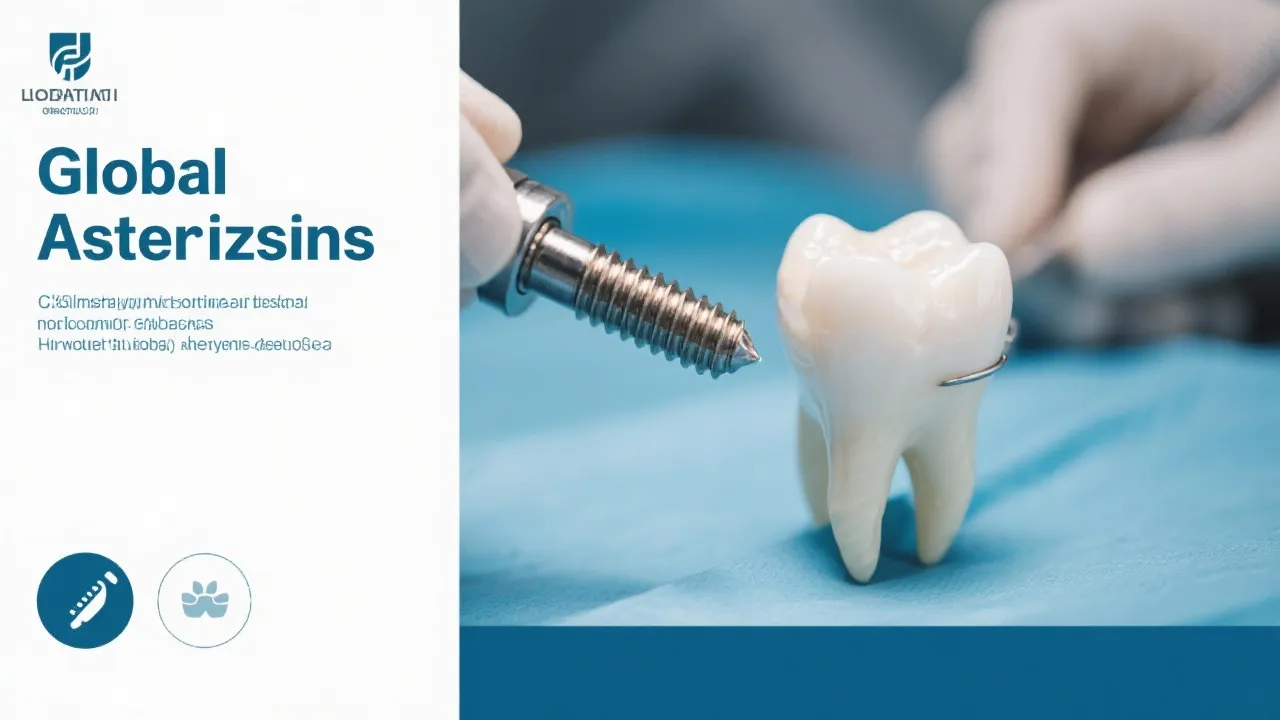
Comprehensive Guide to Dental Implants
This comprehensive guide delves into the intricacies of dental implants, providing a global perspective with a special focus on Implantswiss. Dental implants, a pivotal advancement in restorative dentistry, offer solutions for missing teeth, aiding in oral health and functionality. This article navigates through cost-effective solutions, global pricing comparisons, and the role of Implantswiss in elevating dental care standards internationally.

Affordable Dental Implants Near You
Discover low-cost dental implants and quick solutions to fix your teeth with full mouth options available near you.

Understanding Dental Implant Prices and Options
Explore dental implant costs, funding, and full mouth options for a confident smile in 2025.

Affordable Dental Implants Near Me: Your Guide
Discover affordable dental implants, funding options, and fast solutions for fixing your teeth near you in 2025.