Peony ants play a fascinating role in the life cycle of peony plants, often found bustling on the flower buds. These small ants are attracted to the nectar present on the peony bud's exterior. They are not harmful to the plant as commonly feared, but instead, they help in protecting buds from harm by deterring pests, thus benefiting the peony during its blooming phase.
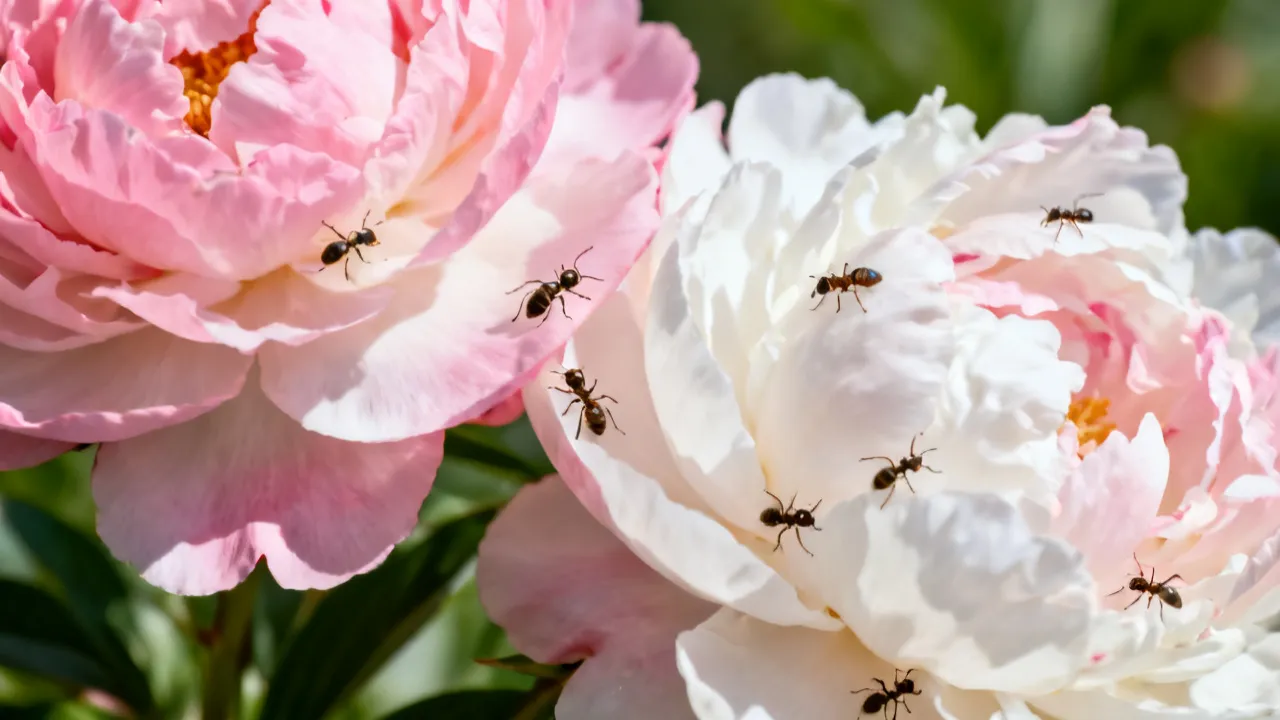
Ants and peonies share an intriguing relationship that is often misunderstood. Many gardeners encounter ants swarming peony buds and worry about potential harm to their beloved plants. However, these ants, commonly known as peony ants, are actually beneficial to the flowering cycle of peonies. Understanding this relationship can enhance our gardening practices and encourage a more harmonious coexistence with nature.
Peony ants are primarily attracted to the sugary nectar that coats the peony buds. This nectar serves as a natural lure, drawing ants to the buds. As the ants traverse the bud to consume this sweet substance, they not only feed themselves but also inadvertently assist in the pollination process by transferring pollen. This mutually beneficial interaction underscores the significance of insects in plant reproduction and growth. Additionally, the mere presence of peony ants can act as a deterrent to herbivores that may feast on the delicate buds, further enhancing plant health.
Beyond mere attraction to nectar, the interaction between peony ants and peony plants is a classic example of mutualism, where both organisms reap benefits. While the ants gain nourishment, the peonies receive protection. Ants are known to aggressively fend off other insects that pose a risk to the delicate buds, effectively serving as guardians. This protective behavior can be further understood when we consider the threats that young peony buds face, such as aphids, thrips, and other pests that can greatly affect their health and flowering potential.
Moreover, some research suggests that the ants’ presence can even enhance the peony plant's ability to produce flowers by improving overall vigor and reducing stress due to pest damage. This intricate relationship is a vivid reminder of the many ways in which species interact in nature to support one another’s survival.
Understanding the positive impact of peony ants can alter gardening practices. Allowing these ants to thrive ensures that your peony plants are shielded from potential threats during their vital budding phase. In turn, this can result in more robust and healthier blooms in your garden. Furthermore, cultivating a garden that supports beneficial insect populations, such as peony ants, can create a more sustainable ecosystem. This involvement can lead to reduced needs for chemical pesticides and fertilizers, which often disrupt local wildlife and soil health.
When observing your garden, notice how the peony ants interact not only with the peonies but also with other flora that may attract them. Their activity can indicate the overall health of your garden environment, acting as a natural pest control system. With this knowledge, gardeners can take actionable steps, like planting native species that encourage the build-up of the ecosystem, leading to a symbiotic relationship among all garden inhabitants.
A prevalent misconception is that peony ants are necessary for the blooming process. While they serve an advantageous role, peonies do not depend on ants to open their flowers. The presence of ants is incidental, as the plant will eventually bloom irrespective of their presence. This myth often causes unnecessary anxiety among gardeners who may feel pressured to eliminate the ants to help the blooms. In reality, their presence can lead to enhanced flowering and greater plant vitality.
Moreover, understanding the myths surrounding ants can encourage gardeners to adopt more ecologically friendly practices. By recognizing that these ants do not harm their plants but rather assist them, individuals may develop a more tolerant attitude towards these insects. Emphasizing education about the role of ants can foster a deeper respect for the biodiversity essential to healthy gardening practices.
For those cultivating peonies, encouraging the natural activity of ants can be an enlightening experience. Observe these industrious insects as they play their part in the lifecycle of your peonies. Patience with their presence can cultivate a richer appreciation for the interconnectedness of the garden ecosystem. Take moments in your garden to simply watch—the interaction between ants and peony buds can offer insights into natural processes beyond immediate aesthetic concerns.
Recording observations in a garden journal can help deepen this understanding. Documenting the behaviors of ants, the growth patterns of your peonies, and any pests encountered can allow for informed decisions in future planting seasons. Journaling fosters a connection with the cycles of nature, reminding gardeners that gardening is as much about learning as it is about cultivating. Additionally, engaging with local gardening communities can provide invaluable insights and shared experiences regarding peony culture and the role of beneficial insects.
The involvement of peony ants emphasizes a larger ecological balance within a garden. By appreciating these ants' role, gardeners contribute to preserving biodiversity and fostering a flourishing environment for all plant and insect life. The presence of peony ants represents just one piece of a much larger puzzle, where numerous species; from soil-dwelling earthworms to above-ground pollinators, engage in mutual support to sustain healthy ecosystems.
Creating a garden that promotes this biodiversity can involve adopting organic practices, introducing a variety of plants, and creating habitats to support beneficial insects. Native plants, for instance, can attract a host of beneficial creatures that form a balanced garden ecosystem, which in turn supports the work of peony ants and their counterparts. Additionally, setting aside areas in the garden where native plants can thrive uninterrupted, or creating insect hotels, can provide a refuge for these crucial pollinators and pest protectors.
Teaching children about the roles of peony ants can be a fun and enlightening experience. Children can be incorporated into the observation process, fostering an early appreciation for insects and their importance in nature. Engaging them in activities such as bug hunts or crafting simple ant homes can spark an interest in entomology and environmental stewardship. Through games and hands-on learning, kids can learn to respect and understand the roles different insects play, shaping attitudes towards ecology early on.
Creating a small classroom project or home activity around peony ants could involve drawing or creating models that depict their life cycle or their interactions with peonies. This engagement can also lead to questions and conversations about how various creatures within their gardens interact, emphasizing the importance of every living thing and encouraging critical thinking about environmental issues.
In summary, peony ants are allies in the garden. Their role in maintaining the health and safety of peony plants underlines the complexity and value of natural interactions in horticulture. Enhancing knowledge about these insects can transform the perspective from one of concern to appreciation, emphasizing nature's intricate wonders. The garden becomes not only a place for beauty and cultivation but also a living classroom, showcasing the delicate balance of ecosystems. Encouraging curiosity about these relationships can foster an ongoing commitment to the stewardship of our natural world and create a legacy of mindful gardening practices that promote sustainability for generations to come.
Ultimately, embracing the full spectrum of life within our gardens—from the smallest ant to the largest flower—shapes not only our gardening experiences but also our understanding of life itself. As gardeners, we are custodians of these immediate environments, and cultivating a sense of wonder about every organism can lead us to make informed, compassionate choices that support a vibrant ecological tapestry.
Striking the Perfect Balance: Navigating Premiums and Out-of-Pocket Expenses in Senior Insurance Plans

Explore the Tranquil Bliss of Idyllic Rural Retreats

How to Make Lasting Memories at Disneyland Attractions

Affordable Phones and Plans for Seniors

Affordable Full Mouth Dental Implants Near You

Unlock the Top Kept Secrets to Finding Your Ideal Dentist for Flawless Dental Implant Results!

Discovering Springdale Estates

Unveiling RS Sul Telecom Services

The Guide to Car Trading

Striking the Perfect Balance: Navigating Premiums and Out-of-Pocket Expenses in Senior Insurance Plans
Finding an optimal mix of insurance premiums and direct medical costs is crucial for effective healthcare budgeting. This discussion will delve into tactics to achieve a balance that aligns with your finances.
Unlock the Top Kept Secrets to Finding Your Ideal Dentist for Flawless Dental Implant Results!
Selecting an adept dentist is critical for ensuring the efficacy and your satisfaction during a dental implant procedure. This in-depth guide is designed to assist you in finding a dental expert who meets your personal requirements, guaranteeing that your path to dental implant success is seamless and fruitful.

Protect Your Perfect Smile: Master the Art of Defending Your Teeth Against Acid Attacks
Though they may tantalize the palate and invigorate the senses, foods and drinks with high acid content are a double-edged sword with regard to oral wellness. Continual exposure to these substances progressively strips away the protective enamel from our teeth, which can lead to increased sensitivity, changes in coloration, and a variety of other dental complications. This composition offers insight into relishing these zesty favorites while safeguarding your teeth from damage.

Discovering Heartis Eagle Mountain
Heartis Eagle Mountain is a prominent senior living community that offers a range of services and amenities aimed at enhancing the quality of life for its residents. Situated in a peaceful setting, it combines exceptional care with engaging activities, providing a holistic environment that caters to seniors' physical, emotional, and social needs.

Unveiling the Top Dental Implant Options for Seniors: Transform Your Smile with the Ultimate Guide to Restored Radiance
The significance of oral health cannot be understated for the elderly population as they are commonly afflicted with tooth loss due to a multitude of factors, including decay and gum disease. Dental implants have risen to prominence as a prime method of teeth replacement, acclaimed for their long-lasting nature, functional prowess, and striking similarity to our own teeth. This discussion delves deeply into the realm of dental implants to demonstrate why they are considered the optimal choice for aged individuals aiming to enhance their smiles and overall life quality.

Boost Your Defenses: 20 Proven Strategies for a Stronger Immune System
Having a robust immune system is essential to protect our bodies from harmful microorganisms and preserve our general health. Although some elements that affect our immunity are out of our hands, many lifestyle decisions can help us enhance our immune defenses naturally. This piece delves into 20 practical methods to empower your immune system, increasing your capacity to ward off diseases and sicknesses.
