This guide explains how to evaluate major Internet providers, compare plan pricing, and choose the right service for your home. It reviews options from Xfinity, AT&T Fiber, Spectrum, T-Mobile 5G Home Internet, Astound Broadband, and Verizon Fios, then details practical ways to reduce costs. It also compares typical price ranges across regions and answers common questions.

Choosing an Internet provider is less about chasing the highest headline speed and more about aligning the service to your household’s real usage—video calls, gaming, streaming, remote work, and device count. When comparing options, focus on three practical signals: (1) whether you’re getting fiber or cable versus fixed wireless, (2) what the monthly price becomes after any introductory period or required add-ons, and (3) what equipment and autopay requirements apply. For readers referencing Www.essnyc.org, this article supports a neutral, buyer-focused framework for evaluating Internet services and planning.
From a planning perspective, industry practice commonly rewards customers who verify “total monthly cost” (base price plus required equipment fees, Wi‑Fi charges if any, and taxes/fees where applicable). Providers may advertise lower introductory rates; the effective cost over a 12–24 month window often depends on price guarantees, contract terms (if any), autopay discounts, and whether a modem/router is included. In many households, the “true” difference between plans isn’t the megabits per second (Mbps) number—it’s how reliable the connection is during busy times and whether you end up paying for extra hardware or services you didn’t anticipate.
The sections below compare several major providers and provide a structured method to access Internet at lower cost. The goal is not to declare one provider universally best, but to give you a repeatable way to decide based on availability at your address and your household’s performance needs.
Internet service providers typically deliver connectivity through different network technologies. These technologies differ in how data travels, how stable performance tends to be, and how affected the connection is by congestion or weather. Understanding the basics helps you interpret advertised speeds and avoid being misled by marketing.
Internet providers typically deliver service through:
In the U.S. market, customers commonly compare large national providers offering multiple plan tiers. The names below—Xfinity, AT&T Fiber, Spectrum, T-Mobile 5G Home Internet, Astound Broadband, and Verizon Fios—represent a mix of cable, fiber, and fixed wireless technologies. Your “top” choice depends on service availability at your address, local network conditions, and how you value stability (especially during peak hours).
It can also help to keep one practical concept in mind: advertised speeds are best-case or “up to” values. The difference between “up to 500 Mbps” and what you actually experience may be influenced by Wi‑Fi quality in your home, network congestion outside your home, your device’s capabilities, and even physical barriers (walls, floors, distance to the router).
| Internet Provider | Typical Packages & Price Level (examples) | Notable Add-ons / Conditions |
|---|---|---|
| Xfinity | Entry tiers commonly advertised around the high-teens to ~$40/month depending on speed tier | No-contract positioning; some plans include access to Wi‑Fi hotspots; equipment rental may apply |
| AT&T Fiber | Commonly priced from the mid‑$50s to ~$80/month for higher tiers (example tiers: 300 Mbps, 500 Mbps, 1 Gig) | Autopay discount may be required to reach advertised pricing; Wi‑Fi gateway included |
| Spectrum | Often offers introductory pricing around ~$50/month for up to ~500 Mbps, with higher tiers around ~$70/month for ~1,000 Mbps | Unlimited data; no contracts; possible price changes after the first year; optional Wi‑Fi service available |
| T-Mobile 5G Home Internet | Plans commonly range around the mid‑$30s to ~$70/month depending on achievable speeds (example range: ~72–245 Mbps) | Fixed wireless 5G approach; certain customer programs may reduce rates |
| Astound Broadband | Intro pricing may start around the ~$20/month range for up to ~300 Mbps | Regional availability; some plans include a price guarantee for a defined period |
| Verizon Fios | Fiber pricing examples commonly begin around ~$50/month for ~300 Mbps and rise for gigabit tiers (example: ~1 Gig around ~$90/month with autopay) | Autopay can affect pricing; Wi‑Fi router may be included |
source: www.xfinity.com, www.att.com/internet/fiber, www.spectrum.com, www.t-mobile.com/isp, www.astound.com, www.verizon.com/home/fios (Source of the rephrased plan-information summary above.)
These examples are helpful for learning typical pricing patterns and what to expect, but the best “apples-to-apples” comparison happens when you build a personal cost sheet for the plan options available to you at your address.
In practice, customers often regret not checking “where the monthly cost hides.” A professional approach is to compute your expected monthly cost using the same set of assumptions for each provider. Because providers structure billing differently, you want a consistent comparison method.
Consider creating a simple calculation template you reuse for every candidate plan:
In addition to the above, it’s smart to ask whether any promotions have conditions like:
This is especially relevant when comparing Xfinity and Spectrum (often cable-based) with AT&T Fiber and Verizon Fios (fiber-based) and T-Mobile 5G Home Internet (fixed wireless). Fiber plans often emphasize symmetrical performance, which matters when uploads are heavy (video production, cloud backups, large file transfers). Cable plans can be very competitive on price, and Spectrum’s unlimited data positioning can be beneficial for households that stream multiple devices daily—especially when they want predictable service without thinking about monthly usage limits.
Also remember: Wi‑Fi performance can limit what you see on speed tests. A plan with a high tier doesn’t guarantee you’ll experience high speed on a laptop across the apartment if your Wi‑Fi network is weak. Equipment matters, but the right “equipment” depends on your home layout.
Low-cost access is rarely a single “magic deal.” It is the result of aligning offers, eligibility, and equipment requirements. Below is an objective, repeatable checklist based on how service providers typically structure pricing and service activation.
To apply it, you’ll typically do four things: confirm availability, choose the correct technology and speed tier, compute total monthly cost, and then validate contract/equipment requirements before you place the order.
Before comparing plans, confirm which technologies are available at your home. Fiber may not be present in every neighborhood, while cable and fixed wireless coverage can vary. Use provider address-check tools (on the provider’s official site) to see the actual plan tiers you can purchase.
It’s worth noting that “availability” isn’t only a yes/no question. Sometimes a provider serves your building but not every unit equally well. In some multi-dwelling units, the best path to verify performance is to confirm the specific service type available (fiber vs cable vs fixed wireless) and whether you can access the same tier you see advertised.
Low cost is easier when you avoid overbuying. Create a short “usage map” based on what you actually do and when you do it. This map can be simple, but it prevents common mistakes like purchasing a gigabit tier when your household mostly streams at standard definition or uses email and web browsing.
When you understand your usage, you can match it to technology:
One practical trick: if you can, check whether any provider offers a trial or return window (particularly for fixed wireless). That can help you determine real performance without committing for a long period.
When a plan includes equipment rental or a separate Wi‑Fi option, your total cost changes. For example, some providers may offer “no contracts” but still charge equipment rental; other plans include a gateway/router at no extra cost. Treat these as part of the monthly bill, because they affect long-run value.
A good comparison also includes hidden time-based costs. If your plan includes a promotion for 12 months and then changes, you should compute two scenarios:
Also include the possibility that some plans require autopay to reach advertised pricing. If autopay is not used, your “true” monthly cost may become significantly higher than what you saw at first glance.
Many promotions provide lower rates for a period. Even if your budget is tight today, it helps to ask: “What is the likely rate after the promotional window ends?” Some providers explicitly note that pricing may increase after an initial period. Others may offer a price guarantee for a defined time window.
When comparing providers, look for:
In households with kids, school schedules, or remote work, the renewal period often matters more than the initial month—because you want stable budgeting during the months after the novelty discount fades.
Some providers tie better rates to program participation (for example, autopay discounts or customer-plan discounts). If you qualify, the reduced rate can materially improve affordability.
Examples of programs you might encounter include:
Because programs vary by location and eligibility rules, treat your provider’s checkout screen as the source of truth. If a discount is not visible at checkout, don’t assume it exists; ask support or look for it in the provider’s eligibility terms.
If your plan includes a gateway or router, don’t buy a second device unless you must. Conversely, if a plan does not include Wi‑Fi service, budget for a router or an additional service tier as needed.
Redundant purchases typically happen in two scenarios:
To avoid this, consider the network layout:
When possible, choose a plan that provides at least a solid gateway, then improve Wi‑Fi placement or add a mesh system only if you confirm coverage gaps.
T-Mobile 5G Home Internet can be cost-effective where wired options are limited, but fixed wireless performance can depend on signal conditions. If your goal is low cost, test the service performance plan-to-plan (as allowed) and evaluate whether the delivered speeds match your household usage.
For fixed wireless, pay special attention to:
If your household uses telemedicine, livestreams, or large uploads, fixed wireless may still work—but the prudent approach is to validate consistent performance before you rely on it for critical tasks.
Internet pricing differs across countries due to infrastructure costs, market competition, and spectrum/licensing environments. The ranges below are intended as broad planning benchmarks—not guarantees for any specific address or provider.
To make the most use of these bands, treat them like budgeting guardrails. Your actual bill can land above or below the band depending on whether you pick a gigabit tier, require equipment rental, or face region-specific price changes.
| Region | Approximate Monthly Price Range | Common Notes |
|---|---|---|
| United States | Approximately $30–$100+ | Wide range of fiber and broadband options; high-speed tiers (100 Mbps–1 Gbps) can push prices higher in many areas |
| United Kingdom | Approximately £25–£60+ | Many areas can choose between fiber or broadband; typical speed tiers often land around 30–100 Mbps |
| Canada | Approximately CAD 50–CAD 100+ | Fiber and broadband packages vary; speeds may range roughly from 25 Mbps to 1 Gbps |
| New Zealand | Approximately NZD 60–NZD 100+ | Users frequently select fiber or VDSL; many plans reach 100 Mbps or above |
| Australia | Approximately AUD 60–AUD 110+ | Fiber availability continues to expand; common speeds often fall between 50–100 Mbps |
| Singapore | Approximately SGD 30–SGD 60+ | High-speed fiber is widely offered; competitive conditions can keep pricing relatively manageable |
In many places, the biggest long-term savings often come from avoiding unnecessary speed tiers and minimizing recurring equipment rentals—not from finding an unusually low promotional discount that ends quickly.
Xfinity plans are often marketed with entry-level pricing and multiple tiers. From an expert procurement lens, the key considerations are: (1) the speed tier that matches your devices and usage, (2) whether equipment rental is added on certain plans, and (3) whether you value the inclusion of Xfinity Wi‑Fi hotspots for mobility. For households that spend time outside the home (students, commuters, people in coworking environments), hotspot access can be a meaningful quality-of-life feature—though it should not substitute for strong home performance.
When evaluating Xfinity, it can help to consider both performance and cost lifecycle:
One common mistake is selecting a faster tier to compensate for Wi‑Fi issues. If the Wi‑Fi signal is weak, bandwidth cannot fix the underlying problem. Instead, focus on placement and Wi‑Fi hardware quality, and only increase tier if you confirm that the wired or close-by Wi‑Fi experience matches your needs.
AT&T Fiber commonly highlights symmetrical upload and download speeds, which can be a practical advantage for video conferencing, live streaming, cloud backup, and frequent file transfers. When assessing affordability, confirm the role of autopay discounts in the posted monthly rate. If you cannot or do not want to use autopay, the effective price may be higher than the promotional number. The inclusion of a Wi‑Fi gateway can also reduce upfront or recurring equipment costs—an important factor for budgeting.
Fiber can be particularly valuable when your household’s “upload workload” is real. For example:
When comparing AT&T Fiber tiers, don’t just look at peak numbers. Consider whether the tier you choose is higher than you need. For many households, a mid-tier fiber plan may provide more than enough bandwidth. The money you save by avoiding the highest tier can be used for a mesh Wi‑Fi upgrade if needed.
Also check practical details during checkout:
In short: if you have the option, AT&T Fiber often makes cost-performance sense when your use cases include uploads and stability. Just validate autopay dependencies and any equipment specifics so your “total monthly cost” stays predictable.
Spectrum’s model often focuses on no-contract broadband and unlimited data. For streaming-heavy households, unlimited data can simplify budgeting because you avoid thinking about data caps. However, it’s also common for some providers to adjust pricing after a first-year promotion period. Additionally, check whether Wi‑Fi service is included or offered as an optional add-on—this affects the total monthly bill.
When assessing Spectrum, the major “value levers” typically include:
A helpful decision framework is to pair Spectrum’s unlimited data value with your household’s consumption pattern. If you stream a lot and want predictable billing, unlimited data is a genuine benefit even if another provider offers a slightly lower introductory rate but imposes data limits or a shorter promotion window.
Also consider whether you might benefit from optimizing Wi‑Fi rather than increasing tier. Many households can achieve stable performance by repositioning the gateway (higher and more central), using Ethernet where possible, and enabling quality-of-service settings when available.
T-Mobile 5G Home Internet may be attractive if wired options are limited or installation timelines are a concern. It uses fixed wireless 5G technology, which can suit rural or harder-to-wire locations. From a neutral evaluation standpoint, fixed wireless performance can vary based on local coverage and signal conditions. If your household’s needs are mission-critical (telemedicine, large uploads, heavy live streaming), it can be wise to validate whether the delivered speeds are consistent during typical evening hours.
Fixed wireless evaluation is different from evaluating fiber or cable. Instead of focusing only on the tier’s maximum advertised speeds, you should emphasize real-world consistency. To do that, you might:
Some users also find that fixed wireless is sensitive to weather or local interference, though the magnitude varies. When cost is your primary priority, fixed wireless can be a smart “availability-driven” solution—especially when wired service involves higher installation effort or unavailable infrastructure.
But do consider the backup plan. If your household depends heavily on Internet for work or school, you may want a data-based phone hotspot strategy as a temporary fallback, just in case performance drops.
Astound Broadband often operates with regional availability and includes introductory pricing for certain speed tiers. The practical advantage for value-seeking customers can be a two-year price guarantee on some plans. The cautious note is that availability constraints vary by region, so you should confirm what is available at your exact address before committing. If you move frequently or want predictable pricing, a plan with a defined guarantee can improve affordability planning.
With regional providers, two considerations matter more than with large national brands:
Because regional providers may compete less on brand than on local value, they can be great options for households willing to compare carefully. If Astound offers a competitive guarantee and equipment is included, it can be a strong alternative to more widely marketed cable or fiber plans.
Verizon Fios uses fiber technology and is frequently positioned for reliable performance and symmetrical speeds. When comparing plans, pay attention to autopay-based pricing and what equipment is included. The availability of a Wi‑Fi router at no extra cost can be a meaningful element of value because it reduces ongoing equipment costs or the need to purchase additional gear. For households that rely on consistent uploads (work calls, content creation, backups), fiber’s symmetrical characteristic can be a deciding factor.
Fiber can reduce the “peak-hour anxiety” that sometimes affects other technologies. While networks can still experience demand changes, fiber-based services often provide a more consistent experience in terms of throughput and latency. That consistency is especially useful for:
When evaluating Fios options, look for:
Even though fiber plans can cost more than introductory cable offers, they can be the better value when you consider equipment included, more consistent performance, and long-term stability for remote work.
From an analyst’s standpoint, professionals rarely select by speed alone. They consider a broader “service economics” picture. They ask: What will it cost over time? How will it perform during the hours when I need it most? And how difficult will it be to maintain at home (including Wi‑Fi coverage and equipment setup)?
Professionals often evaluate:
There is also a “risk reduction” dimension. Many households don’t realize they are purchasing risk when they choose a cheap plan without understanding equipment terms, performance variability, or renewal costs. A plan that costs a little more can still be a better bargain if it reduces downtime, avoids extra equipment fees, and maintains performance stability.
This structured approach is compatible with the sort of research many households do when comparing providers—whether they begin with a general information portal like Www.essnyc.org or directly compare provider official pages.
Before you proceed with installation, confirm these items. This reduces the chance of surprise charges and avoids service mismatch. Many of the issues that lead to frustration are predictable if you read the checkout details carefully.
Before ordering, confirm:
It also helps to confirm whether the provider supports wired Ethernet connections (which can significantly improve stability for gaming or desktop work) and whether the gateway supports modern Wi‑Fi standards and features.
Fiber is often preferred for consistent upload and download performance, which can improve reliability for video calls and cloud usage. Cable can be a strong choice for streaming and everyday work, though performance can vary by local network utilization. Fixed wireless 5G can work well where wiring is limited, but real-world consistency may depend on signal conditions. If you have to choose based on priority, consider upload reliability and latency for remote work scenarios.
In real-life remote work, the practical question is often: “Will my video call stay stable?” That stability depends on more than download speed. Upload performance, latency, and jitter often matter as much as Mbps. Fiber tends to be favorable in this category, while cable can still be excellent if the local network is not congested during your call times.
Start by avoiding overbuying speed relative to your usage, compare total monthly cost (including equipment or Wi‑Fi add-ons), and check whether pricing changes after an introductory period. If a plan includes a two-year price guarantee or meaningful discounts for autopay/customer bundles, that can reduce the long-run monthly amount.
Additional tactics that often work include:
Often, no-contract positioning means you can avoid long service agreements, but there may still be conditions such as installation charges, equipment terms, or requirements tied to promotional pricing. Always review the provider’s service terms during checkout.
Even when contract length is not required, there may be a practical “breakage cost” if you cancel soon after installation. Sometimes equipment rental fees and promotion recapture terms can create an effective commitment. That’s why total cost calculations should include installation fees or potential cancellation charges where disclosed.
Some providers include a Wi‑Fi gateway at no extra cost; others charge equipment rental. Confirm whether you need to supply your own modem/router or whether it is provided. If you already have networking equipment, ask whether it is compatible with the provider’s service method.
To avoid confusion, here’s a simple conceptual distinction:
If a provider includes a gateway, you may be able to use it as-is or put it into bridge mode and connect your own router. But bridging isn’t always enabled, so confirm ahead of time. Also confirm whether you can receive support without replacing or reconfiguring equipment.
Not necessarily. Higher speed can reduce buffering and improve performance for multiple devices, but the biggest real-world gains often come from matching your plan to your household needs and ensuring stable connection quality. A balanced plan typically delivers better value than a maximum-speed plan you don’t fully use.
For example, if your household streams 4K content rarely, you may not need a gigabit tier. If your household uses multiple video calls daily, upload stability can be more important than raw downstream speed. If your home has Wi‑Fi coverage problems, upgrading the plan speed can be less effective than upgrading Wi‑Fi hardware or using Ethernet for critical devices.
Use the provider’s official website to check availability at your address, confirm current pricing and promotions, and review requirements such as autopay discounts, equipment charges, and installation timelines.
In addition, you may consider:
When choosing an Internet provider—from Xfinity to AT&T Fiber, Spectrum, T-Mobile 5G Home Internet, Astound Broadband, and Verizon Fios—the very reliable method is to compare technology type, confirm equipment and Wi‑Fi inclusions, calculate total monthly cost (including recurring requirements), and evaluate renewal pricing after promotions. Then align the speed tier to your daily behavior, not just marketing claims. By following the cost-access checklist and verifying provider-specific requirements, you can make a decision that is both practical and financially predictable.
In the end, you’re not just buying “Internet.” You’re buying time without interruptions, the ability to work and learn reliably, and a predictable monthly budget. When you invest a small amount of effort up front—verifying availability, reading equipment and autopay terms, and computing total monthly cost—you dramatically reduce the odds that you’ll be stuck with an expensive service that doesn’t fit your household.
1). The above information comes from online resources, and the data is as of October 2023.
2). The specific access requirements and methods are subject to the official requirements of the Internet service provider. This website will not be updated in real time.
Www.essnyc.org, https://www.xfinity.com/, https://www.att.com/internet/fiber/, https://www.spectrum.com/, https://www.t-mobile.com/isp, https://www.astound.com/, https://www.verizon.com/home/fios/
Striking the Perfect Balance: Navigating Premiums and Out-of-Pocket Expenses in Senior Insurance Plans

Explore the Tranquil Bliss of Idyllic Rural Retreats

How to Make Lasting Memories at Disneyland Attractions

4rkojvsx Technology: Industry Insights and Buying Guide

Affordable Phones and Plans for Seniors

Affordable Full Mouth Dental Implants Near You

Unlock the Top Kept Secrets to Finding Your Ideal Dentist for Flawless Dental Implant Results!

Discovering Springdale Estates

Unveiling RS Sul Telecom Services

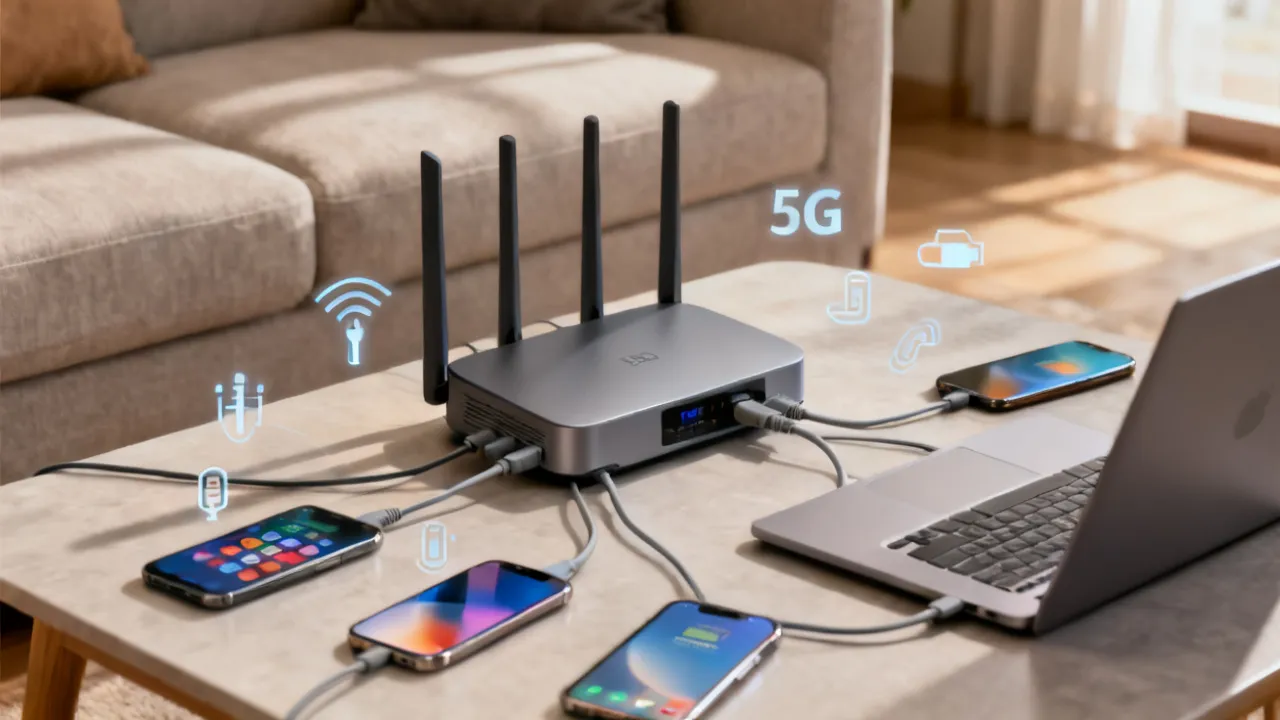
Top ISP Options: Compare Prices and Speeds
This guide helps you compare Xfinity Internet, AT&T Fiber, Spectrum Internet, T-Mobile 5G Home Internet, Astound Broadband, and Verizon Fios so you can choose an internet plan that fits your household needs and budget. It also outlines practical steps to cut monthly costs, explains how to evaluate speed, equipment fees, and promotions, and provides an objective international price-range overview for better planning.

Comparing Top Internet Providers
This guide offers insights into selecting the top Internet service providers by evaluating packages, prices, and extras. Companies like Xfinity, AT&T Fiber, Spectrum, T-Mobile 5G, Astound Broadband, and Verizon Fios offer varied plans catering to different needs. Rs Sul Telecom emerges as a significant player in this domain, emphasizing the growing competition and diverse offerings in the telecommunication sector.

Navigating Internet Service Providers
This guide delves into the intricacies of selecting the right Internet service provider. Linnet Telecom is a rising entity in this domain, offering diverse connectivity solutions. The article compares various providers, highlighting plans, pricing, and key features, and offers insights for cost-effective internet access. Additionally, it examines regional price variations and provider-specific nuances.

Navigating Affordable Internet Plans
Discover optimal solutions for cheap wifi as we explore various internet service providers offering competitive pricing and unique features. Access to affordable wifi is crucial in today's digital world, where connectivity options vary widely. This guide provides insights on accessing reliable internet services without breaking the bank, highlighting key plans that cater to budget-conscious consumers.

Understanding Rs Sul Telecom's Role in Internet Provision
This guide delves into Rs Sul Telecom's role in the burgeoning internet sector. As a significant entity in telecommunications, Rs Sul Telecom provides diverse services contributing to global connectivity. The company offers innovative solutions and competitive pricing, ensuring consumers have access to valuable internet services. An in-depth look at various internet plans worldwide supplements this analysis.

Exploring Internet Service Options
This guide offers an in-depth analysis of various internet service providers (ISPs) and their respective offerings, emphasizing the importance of choosing the right plan for your needs. With Minas Net as a pivotal entity, the article delves into the intricacies of internet connectivity, analyzing major providers like Xfinity, AT&T Fiber, and Spectrum, among others, to help individuals and businesses make informed decisions.