Choosing the right home internet plan depends on speed, pricing, reliability, and equipment terms. This guide reviews major U.S. options using objective criteria, then explains practical ways to lower monthly costs through eligibility checks, promo timing, and modem/router decisions. It also provides a regional pricing overview and a checklist for comparing offers.

When you’re shopping for home internet, the “top” choice is usually the one that fits your typical usage, your local network availability, and the pricing conditions of the provider. This guide connects real-world plan attributes—such as download/upload symmetry, contract rules, equipment rental fees, and hotspot access—with six widely available U.S. brands: Xfinity Internet, AT&T Fiber, Spectrum Internet, T-Mobile 5G Home Internet, Astound Broadband, and Verizon Fios. You’ll also see why some customers target specific plan tiers and how to reduce total monthly spend.
Throughout the article, you’ll also encounter the keyword string 07205219477 exactly as provided, but it should be treated as a plain reference value—not as a pricing or eligibility claim. For internet purchasing decisions, always rely on official provider terms shown during checkout or in your local service availability results.
The following table summarizes select U.S. packages and related add-ons. It is intentionally limited to three columns to focus on what very households compare first.
| Provider | Representative packages (speed/price) | Common additional services/terms |
|---|---|---|
| Xfinity Internet | Connect (up to ~50 Mbps) and Connect More (up to ~100 Mbps) at introductory rates | No contracts; access to Xfinity Wi‑Fi hotspots; some plans may include equipment rental as an added monthly fee |
| AT&T Fiber | Fiber Internet 300 (~300 Mbps), 500 (~500 Mbps), and 1 Gig (~1,000 Mbps) | Symmetrical upload/download speeds; pricing may include an autopay discount; Wi‑Fi gateway included |
| Spectrum Internet | Introductory tier around ~500 Mbps and higher tier up to ~1 Gbps | Unlimited data; no contracts; modem included; possible pricing increases after first year; optional Wi‑Fi service available |
| T‑Mobile 5G Home Internet | Typical ranges from ~72–245 Mbps depending on coverage | Fixed wireless 5G (availability varies by address); discounted rates may apply for certain plan customers |
| Astound Broadband | Introductory entry tier around ~300 Mbps in available regions | Regional availability; low-cost cable internet positioning; some plans include a price guarantee for a limited term |
| Verizon Fios | ~300 Mbps tier and a higher ~1 Gigabit tier | Fiber connection with symmetrical speeds; Wi‑Fi router included at no extra cost |
source: www.xfinity.com ; www.att.com ; www.spectrum.com ; www.t-mobile.com ; www.astound.com ; www.verizon.com.
The above sources indicate where the plan and pricing information was originally published (see final links section for all references). Always confirm current offers during ordering, because promotions and equipment terms can change.
Lowering your monthly internet bill is rarely about “one trick.” From an industry-operations perspective, the top results usually come from combining eligibility timing, equipment choices, and plan matching. Use the following checklist before signing anything.
Pricing varies widely by country due to infrastructure maturity, regulatory structure, and competition levels. The ranges below are directional “budget planning” figures designed for early comparison; they are not guaranteed offers for any specific address.
| Region | Typical internet price range (approx.) | Common notes on plan types |
|---|---|---|
| United States | ~$30–$100+ (often influenced by promos and fiber availability) | Fiber and cable options vary by area; some markets offer 100 Mbps to 1 Gbps, which can correlate with higher prices. |
| United Kingdom | ~£25–£60+ | Fiber or broadband choices are common; speeds are often in the 30–100 Mbps range. |
| Canada | ~CAD 50–CAD 100+ | Fiber and broadband packages are available; speeds frequently range from ~25 Mbps up to 1 Gbps. |
| New Zealand | ~NZD 60–NZD 100+ | Many users select fiber or VDSL; plans can reach 100 Mbps or higher. |
| Australia | ~AUD 60–AUD 110+ | Fiber rollout is expanding; common tiers are often 50–100 Mbps. |
| Singapore | ~SGD 30–SGD 60+ | Competition can keep pricing relatively low; fiber speeds can reach up to ~1 Gbps. |
From an expert viewpoint, the key takeaway across regions is that “price range” planning should always be paired with address-based availability. Two neighborhoods can have radically different fiber reach and cable plant quality, which affects both performance and the promotional offers you see.
Xfinity Internet commonly positions lower tiers with straightforward “up to” speed marketing and introductory pricing. It is also characterized by “no contracts” messaging, and in some plan structures, customers may receive access to Xfinity Wi‑Fi hotspots. That hotspot element can be useful for commuters or for mobile devices when you’re away from home, though it’s secondary to home performance for very households.
When comparing Xfinity to alternatives, pay attention to equipment rental. Some plans may include equipment for a monthly fee (rather than full inclusion). For budget planning, treat that fee as part of your true monthly cost, especially if you already own a compatible router. Even if the published promo rate looks attractive, the total monthly amount can narrow once rental fees and taxes are included.
Another practical factor with Xfinity plans is how your plan tier relates to real-world speed on Wi‑Fi. Many households see higher performance when using an Ethernet connection to a desktop or game console, because Wi‑Fi performance is influenced by distance, walls, interference, and router configuration. If your home is large or multi-story, you may need mesh Wi‑Fi or an access point. In that case, the difference between a 100 Mbps tier and a 300–500 Mbps tier might show up less than the difference between weak Wi‑Fi and strong Wi‑Fi. In other words, “plan speed” is not the whole story—home networking quality often decides how much value you get from the tier you buy.
For households that mostly stream and browse, Xfinity’s entry tier can cover the essentials. For example, if two people stream HD video simultaneously, one person uses video chat occasionally, and everything else is light web use, the speed requirement may not be as high as you’d expect from marketing. You’ll still want enough headroom to avoid buffering when multiple devices are online at once. But you may not need to pay for the top tier.
For heavier households—multiple gaming consoles, frequent cloud backups, or high-resolution streaming in several rooms—consider whether the tier gives adequate headroom for simultaneous use. Cable networks can be excellent, but they share capacity within a service area. Peak-time congestion can reduce speeds, especially for higher tiers that are priced for “premium” performance but still experience local node load. That doesn’t mean cable is bad; it just means households that care most about consistency may prefer fiber.
Finally, keep an eye on service terms. Even when “no contracts” is advertised, you should review whether promotional pricing requires continued service for a limited period, or whether there are fees tied to equipment return. Those are not always prominent, and you only notice them when you try to cancel or switch. If you’re signing up as a renter and might move within a year, reading those clauses matters.
AT&T Fiber is typically evaluated in terms of reliability and symmetrical upload/download performance. Symmetry matters for households that upload frequently—video conferencing, cloud backups, online coursework, and gaming across multiple devices. If you have a parent working remotely, children in online classes, or you create content (e.g., uploading large photo/video files), symmetrical upload can reduce the “friction moments” when tasks feel slowed during busy times.
Another consistent factor in AT&T Fiber comparisons is autopay. If pricing includes a $10/month autopay discount, it’s beneficial when you already use autopay. However, if autopay isn’t part of your routine, confirm the base price to ensure the promotional amount aligns with what you will actually pay long term. Some households think of autopay discounts as temporary; in practice, they may disappear if a payment method changes, an account is paused, or you switch banks. For planning, include the “worst-case” monthly cost if autopay doesn’t apply.
Because fiber networks generally offer consistent performance characteristics, AT&T Fiber plans can be a good fit for households that want stable latency—important for online gaming, smooth video calls, and real-time collaboration tools. While your gaming experience depends on more than internet bandwidth (including Wi‑Fi quality, device settings, and background traffic), fiber’s typical latency behavior is a meaningful advantage.
AT&T Fiber also tends to make the equipment story simpler. Wi‑Fi gateway inclusion can reduce confusion during checkout and can avoid surprise rental fees. If your household already has a compatible router, you may still want to use your own networking gear for advanced features (like specific Wi‑Fi channels, guest networks, or firewall rules). But for many households, the included gateway is enough to get started quickly.
Consider also how fiber installation works. In some areas, AT&T Fiber may require a technician visit. If you’re scheduling for a move-in date, coordinate installation timing. A delayed activation can be inconvenient if you rely on internet for work. On the other hand, installation is a one-time event, and fiber’s long-term operational consistency can reduce hassle versus solutions that depend on variable wireless conditions.
If you want to target the right tier, examine how your tasks scale. For streaming, higher tier speed might not significantly change picture quality once you exceed the minimum needed for stable playback. Upload and concurrency matter more for video calls and cloud use. In other words, the “best tier” is not always the highest Mbps tier; it’s the one that matches how your household uses upload-intensive applications while staying consistent during peak hours.
Lastly, check pricing after promotions. Even fiber providers with strong service reputations may have introductory offers. If you plan to stay beyond the promotion window, compare the post-promo rate across providers. A plan that is “cheapest for a year” may become more expensive in year two. A true low-cost choice is usually the best blend of promo and long-term price.
Spectrum Internet is often chosen for straightforward plan design: unlimited data, no contracts, and modem inclusion. Unlimited data can help reduce concern about streaming habits, particularly in households with multiple TVs, frequent software downloads, or cloud synchronization.
However, cost planning should include the possibility that promotional prices increase after the first year. If you prefer predictable billing, read the post-promo terms and the schedule for when the promotional discount ends. Many customers focus on the first month’s rate; an accurate household budget should instead consider the typical monthly cost once the promo window is over.
Spectrum also offers optional Wi‑Fi service at an additional monthly rate. Whether that option is necessary depends on whether your household already has suitable networking equipment. If you have an older router, you might consider updating hardware instead of paying a monthly fee, especially if the cost of the upgrade is less than the wireless fee over time. But you should verify compatibility with Spectrum’s modem/router setup. Some customers benefit from using the provider’s recommended gateway configuration for the simplest experience.
From a performance perspective, cable can deliver plenty of speed for streaming and general home use, but it can be more sensitive to local network congestion than fiber. That means that in peak evenings, speeds can dip for many cable subscribers in the same area. For a household that works from home and frequently uses video calls during peak time, it’s worth testing your real-world performance. If you can, ask neighbors how Spectrum performs after work hours, or use the initial weeks after installation to monitor typical speeds.
Unlimited data matters most when you have large usage patterns such as game updates, operating system downloads, cloud photo backups, and frequent streaming on multiple devices. Unlimited also reduces the psychological cost of worrying about data limits. Even if you don’t technically exceed a typical data cap, the predictability can be valuable in family households.
To choose a tier, you should think about concurrency and Wi‑Fi distribution. For example, if your household is primarily using Wi‑Fi, speed tiers may translate into different real-world throughput based on signal strength. If your Wi‑Fi is weak, even a 1 Gbps tier can feel slow. That’s why it can help to invest in good placement: center the router in your home, avoid placing it inside a cabinet, and reduce interference sources where possible. A well-configured lower tier can beat a higher tier with poor Wi‑Fi.
Also consider the “total monthly cost” principle. Spectrum’s advertised price may be attractive, but review whether any add-on fees apply. Equipment, taxes, and any optional managed Wi‑Fi service can change the effective monthly total. A plan that looks cheaper might be more expensive once the true monthly cost is compared.
T‑Mobile 5G Home Internet is a fixed wireless approach that can be valuable in rural or underserved areas. Unlike cable or fiber, the service relies on 5G network coverage and capacity. In practice, that means performance can vary more with location and network conditions than fiber-based service.
When considering T‑Mobile 5G Home Internet, evaluate your address results carefully. Also check whether discounted rates apply for T‑Mobile Magenta MAX plan customers—such eligibility can change your effective monthly cost in a meaningful way. If you already have a mobile plan, the combined discount can improve value and make the wireless plan more competitive versus wired alternatives.
Because fixed wireless depends on signal strength, your internal setup can make a noticeable difference. Place the gateway near a window where possible, avoid placing it behind large obstacles, and test performance at different positions if the provider allows. In some households, simply moving the gateway to a better signal location can improve speed and reduce latency variability. Unlike wired services, where the physical connection is consistent, wireless can fluctuate based on local conditions.
Think of 5G home internet as a solution with excellent potential when the network is strong, but with less predictable performance than fiber. For light internet use—web browsing, casual streaming, basic video calls—it can be enough. For heavy work-from-home use, large uploads, or gaming that demands consistent latency, it’s wise to validate that your real-world performance meets expectations.
Also evaluate your willingness to troubleshoot. If you encounter issues such as buffering during peak hours, you may need to adjust gateway placement or update settings. Some households prefer this “tuning” process; others would rather choose a wired option with stable long-term characteristics. Either preference is valid—what matters is aligning the service type with your household’s tolerance for variability.
If wired options are limited or unavailable at your address, the value of T‑Mobile 5G home internet is often high. In those scenarios, speed and reliability can still be good even if the service behaves differently than fiber. The decision should focus on how well your specific address performs, not on general averages.
Astound Broadband generally competes on cost and regional coverage, offering introductory tiers in areas it serves. A notable feature in some plans is a price guarantee for a limited term. From an expert purchasing perspective, price guarantees reduce uncertainty during the early months of service, but you should still confirm what the monthly rate becomes after the guarantee ends.
Astound’s regional nature means your experience can vary by market. In some regions, subscribers may have strong performance and steady speeds; in others, local cable plant and node load can influence real-world results. Before locking in, you can consider asking local residents about evening speeds or reliability. While individual experiences differ, community feedback can highlight whether your neighborhood tends to experience congestion or whether the cable infrastructure is robust.
As with other cable providers, your plan match should also consider local network utilization and Wi‑Fi setup. A lower tier paired with optimal home networking can sometimes deliver a smoother experience than a higher tier paired with weak Wi‑Fi coverage. For example, many households underestimate how much router placement affects throughput. If your router is tucked in a corner far from devices, Wi‑Fi signal loss can dominate. In that case, upgrading to a higher tier might not fix the underlying network distribution issue.
If Astound offers a guarantee, consider the “effective cost” across the entire period you plan to keep service. For instance, if the guarantee covers only the first year and you plan to stay two or three years, you should estimate the second-year price. A plan that is “guaranteed cheap” for a short term may become less favorable later compared to a plan with a higher promo but similar long-term price.
Another practical factor is equipment. Cable plans can include a modem, but Wi‑Fi may still require a gateway or router. If Astound includes the necessary hardware, you may avoid rental fees. But if it requires a separate router purchase or charges monthly rental for combined modem/router, that changes the total monthly cost. Always compare based on the true total.
Finally, because cable is shared in many markets, latency behavior may be less consistent than fiber. This matters for certain usage patterns. If your household uses video conferencing frequently at peak times, it may be worth prioritizing consistent performance rather than only chasing the lowest monthly price.
Verizon Fios is often assessed for fiber-based performance and symmetrical speed characteristics. Fiber customers frequently prioritize consistency for work-from-home needs and multi-device usage patterns.
Another practical advantage in some plans is that a Wi‑Fi router is included at no extra cost. That inclusion can reduce both upfront friction and ongoing monthly equipment expenses, which is particularly important when comparing across providers that add equipment rental fees. If you are budget-sensitive, included equipment can effectively lower your monthly total and simplify decision-making.
Because Fios is fiber, the service is often attractive for households with heavy upload needs—especially if multiple people are participating in video calls, uploading large files, or running cloud backups. Symmetrical speeds can reduce the time to complete those tasks, which can improve daily productivity.
Verizon Fios customers often look for reliable latency. This can be useful for online gaming and real-time communication tools. While gaming performance is not purely about internet speed, stability helps. If you’re choosing between a fiber plan and a cable plan at similar advertised download speeds, the fiber option may still win due to more consistent upload and latency behavior.
To choose the tier intelligently, consider your application profile. If your household is mostly streaming and browsing, you may not need the highest gigabit tier. If your household uploads frequently or runs multiple video calls simultaneously, the additional speed can help even if your main download usage doesn’t change much. Think about how many concurrent streams and meetings you typically have at once.
Also consider internal Wi‑Fi design. Even when fiber bandwidth is strong, Wi‑Fi distribution can be the limiting factor. Verizon’s included router may be adequate for smaller homes, but for larger or multi-story homes, you might still need additional access points or a mesh system. If you anticipate that need, plan for it early so your monthly cost and performance expectations match.
Rather than relying only on advertised speed or a single headline promotion, use a simple scorecard. Each factor can be scored and totaled based on what matters very to your household.
This method tends to produce results that are more stable than “choosing the low price sticker price,” because it converts complex offers into comparable totals.
To make this scorecard practical, you can do it in two passes. First, create a “must-have” list and eliminate any plans that fail. For example: if your household needs symmetrical upload, then fiber and symmetrical plans become high priority, while fixed wireless might become a conditional option. Second, after narrowing down, assign the points. Many households will weigh cost and Wi‑Fi readiness more heavily than marketing download speed.
You should also consider service reliability in the real world. Even if two plans have similar advertised speed, the one with better equipment inclusion and more straightforward setup can reduce downtime risk. Less downtime often translates to greater value than small speed differences on paper.
People often focus on download speed, because downloads drive most noticeable speed tests. But for modern households, upload speed and latency are the “invisible bandwidth” that determine how smoothly your home functions when you actively create content or collaborate online. Upload affects:
Fiber often provides symmetrical performance, which can make these activities more predictable. Cable can perform extremely well too, but you may see more variation during peak network usage depending on local congestion. Fixed wireless may also be affected by signal conditions and local capacity changes.
Latency is how quickly data travels; jitter is how much that travel time fluctuates. Many tasks tolerate latency differences, but real-time activities are more sensitive. Even if your download Mbps looks great, a connection with high jitter can cause:
When comparing plans, don’t rely solely on maximum throughput. If you want to go deeper, run tests during typical usage hours (e.g., evening) and compare not just speed but consistency. A plan that is slightly slower but stable can feel faster day-to-day.
Many households blame their internet plan when the real issue is Wi‑Fi distribution. A router’s antenna strength, placement, and interference determine how much of your plan’s speed you can actually use on each device. Common issues include:
For cable and fixed wireless in particular, Wi‑Fi can easily become the bottleneck. That’s why equipment inclusion matters. A plan that includes a gateway may reduce friction. But if you’re buying your own networking gear anyway, compare whether the plan’s equipment helps or whether it’s redundant.
One reason Spectrum is often popular is the “unlimited data” framing. Unlimited can reduce stress because you won’t be punished for streaming habits, big game updates, or frequent cloud sync. However, you still want to understand provider policies. Some networks can experience congestion, and some may have “fair use” policies even if they do not cap data. The exact policy language matters; the best approach is to read the current terms during checkout.
Even with unlimited plans, the best cost outcome often comes from avoiding unnecessary upgrades. For instance, if your household never streams 4K and rarely downloads huge files, you might not need a gigabit tier. Unlimited data removes the cap concern, but it doesn’t guarantee you should buy the highest tier.
Equipment can change the economics of a plan dramatically. Consider three scenarios:
When comparing Xfinity, Spectrum, Astound, and Verizon, check how their equipment fees are described. When comparing AT&T Fiber, check whether the included gateway is sufficient or whether additional router setup is recommended. For T‑Mobile 5G Home, the gateway/router inclusion is often part of the fixed wireless package, and performance depends heavily on gateway placement.
Installation quality can affect your first months of service. Fiber may require technician visits. Cable usually involves connecting lines and activating the modem/gateway. Fixed wireless depends on activation and signal setup. If you have a move-in deadline, you should consider:
This doesn’t directly change monthly cost, but it changes the real value of the plan. A plan that is slightly more expensive but activates quickly can be better than a plan with a lower advertised price but a risky install timeline.
“No contracts” is usually beneficial. It can reduce termination risk and allow you to cancel without early termination fees. But it doesn’t guarantee there are no conditions. You should verify:
This is especially important if you’re likely to move, because move-related cancellation rules can differ from standard cancellation rules. If you anticipate moving, ask whether the provider allows transfers to a new address or if you must start fresh.
Two households in different neighborhoods can see different outcomes with the same provider. Fiber availability can be all-or-nothing. Cable performance can vary based on local node load and infrastructure quality. Fixed wireless depends on 5G signal strength and congestion. That’s why checking availability at the exact address is the first step in any buying decision.
Even within the same apartment complex, performance can vary due to internal wiring differences or how devices connect to Wi‑Fi access points. If you live in a multi-unit building, ask management or neighbors about typical internet experiences. If you can test during the first weeks after installation, you can detect issues early before the promotional period ends.
A light-use household typically streams occasionally, uses web and email, and may have a single video call per day. In those cases, even moderate speed tiers can be sufficient if Wi‑Fi is strong. The best strategy is to:
A fiber plan can be “overkill” for light use, but it can still be cost-effective if the long-term price is competitive and equipment is included. A cable plan may be a strong value if local congestion isn’t severe.
For families, speed isn’t just about streaming. It’s about handling concurrency: multiple TVs streaming, children on learning platforms, and parents working from home. In these households, upload speed and latency help reduce call quality problems. When you choose, consider:
Fiber often becomes more attractive when multiple people need stable performance at the same time. Cable can still work well, but you should verify performance after installation during peak hours. Fixed wireless may be adequate if the local network is strong, but families should validate stability because homework periods and evening schedules can align with peak usage.
Power users need predictable upstream and stable latency. If you upload large files regularly, run live streams, or participate in many video calls, choose symmetrical upload service when possible. In that situation, AT&T Fiber and Verizon Fios often align well with the use profile due to fiber-based characteristics.
However, you still need to evaluate your home network. A high-speed fiber connection can be limited by:
So in power-user scenarios, you might invest in better Wi‑Fi hardware or mesh systems, even if the plan is already high performance. The goal is to make your devices able to use the speed you pay for.
Students often download large files: game updates, patches, software, and course downloads. If you primarily download, you may not need the highest upload speed. But gaming still cares about latency and packet loss. That’s why consistent connectivity matters.
Cable can be fine for gaming if node congestion isn’t heavy, but peak-time variation can impact latency. Fiber may provide better stability. Fixed wireless gaming can work in some locations, but performance can fluctuate with signal conditions. If gaming is a daily priority, plan for testing and monitoring your performance, not just speed test results immediately after installation.
Price reduction isn’t only about choosing a cheaper tier. You can reduce total monthly spend while maintaining performance by adjusting the parts that influence cost and value. Below are practical levers you can use across providers.
If your provider offers a gateway included, that’s usually beneficial. But if your provider charges a rental fee for equipment you could replace with your own hardware, you should compare costs over time. Do a quick “break-even” calculation:
However, don’t assume you can always use your own equipment. Compatibility depends on provider requirements. During checkout or in the provider’s support pages, confirm whether customer-owned equipment is allowed. If it is not allowed, renting can still be the better path.
If your home Wi‑Fi is weak, buying extra speed may not change the user experience much. That’s because Wi‑Fi throughput might be the limiting factor, not the broadband link. In that case, it’s often more cost-effective to address Wi‑Fi:
Once Wi‑Fi is solved, you can then reassess whether you actually need a higher tier.
Many households get a great promo rate, then get surprised by a large price jump after the promo ends. To avoid that, you should:
A plan can be “low cost” only if it remains competitive at the rate you’ll actually pay long-term. If you plan to stay only a few months, promo price matters more. If you plan to stay for years, long-term pricing matters more.
Some providers offer discounts when you bundle internet with mobile plans or other services. AT&T and T‑Mobile often have such relationships, and T‑Mobile’s Magenta MAX eligibility can matter. Bundles can reduce monthly cost, but they can also create a “you’re paying for more than you need” scenario. To evaluate:
Bundles are often worthwhile, but only if they reflect your real usage and you intend to keep the related accounts.
Retention offers can sometimes match competitor promos. The best moment to ask is often near promo expiration or when you plan to cancel. Before calling, gather:
Then ask whether they can apply a similar discount or move you to a comparable tier at a better price. Many companies prefer to reduce your rate rather than lose you entirely.
Advertised prices sometimes exclude taxes and certain fees. Different areas and billing systems can alter the final bill. To plan accurately, look for the “estimated monthly total” displayed during checkout, or confirm whether your local taxes and fees are included. Without that, your budget estimate may be off.
Overbuying isn’t only paying for speed you don’t need—it can also lead to poor value when paired with underperforming Wi‑Fi. A better approach is to choose a tier that matches your household’s usage pattern and then optimize home networking.
For example:
If fiber is available from AT&T Fiber or Verizon Fios, and cable is available from Xfinity, Spectrum, or Astound, your choice often becomes a trade between consistency and cost. A practical approach is:
If your household values stable video calls and consistent gaming latency, fiber often feels better. If your household is cost-sensitive and cable performs well locally, cable can be the budget win.
If wired options are limited to cable, and you also see T‑Mobile 5G Home Internet available, compare based on performance stability and your tolerance for variability. Fixed wireless can be very cost-effective when signal is strong, but it can fluctuate with local conditions.
Try to think in terms of household tolerance:
Also check equipment and installation timelines. Fixed wireless can often activate quickly, which can be an advantage for move-in deadlines.
If only T‑Mobile 5G Home Internet is available (or if it’s the best option listed for your address), your goal is to maximize signal quality. That means:
For households with heavy upload requirements, you may still be able to meet needs, but you should validate real-world performance during typical peak hours and verify that latency/jitter meet your comfort level.
Even if you pick the “best” plan on paper, you should validate performance after you install. The first few weeks are your chance to spot problems before your ability to switch becomes more painful.
If you have a device that can connect via Ethernet, run tests there first. That isolates whether your plan is performing and whether your home gateway is configured correctly. If Ethernet tests look good but Wi‑Fi tests look bad, the issue is likely Wi‑Fi coverage or device capabilities.
Run tests in the evening when most households are streaming, gaming, and working. Many network issues appear then. If your speeds are stable during peak hours, you’re more likely to be happy long-term.
Speed tests don’t always reflect real-time application performance. If you use video calls, test with a real call scenario. If you game, check for jitter and consistent response. If you stream, observe buffering behavior in your typical services (not just in browsers).
If performance varies widely between rooms, reposition and optimize. If you see interference, try different Wi‑Fi channels or band steering settings (depending on your router). For multi-story homes, consider mesh access points.
If you experience repeated issues, document what you see: time of day, approximate speeds, and whether it’s Ethernet or Wi‑Fi. Contact support early, because resolving issues during the initial phase can be easier than waiting months.
The very important factor is usually what you can actually order for your address—availability determines whether fiber, cable, or 5G home internet is an option. After that, compare total monthly cost including equipment fees and speed symmetry if you upload or work from home.
Fiber often offers benefits like symmetrical upload/download and consistent performance. Cable can still be an excellent choice, especially where competition is strong and your local node is well managed. The correct decision depends on your address and your household’s usage patterns.
Usually, only if your household requires it. For example: multiple simultaneous streams, frequent large downloads, cloud backups, and video calls can justify 300–500 Mbps or higher. If your use is lighter, you may save money with a lower tier that performs well with your Wi‑Fi setup.
Add the rental fee (if present) to the advertised price to estimate your effective cost. Then compare that total against plans that include a Wi‑Fi gateway/router at no extra charge.
Confirm whether there are any conditions tied to promotions or leased equipment. “No contract” often means you can cancel without an early termination penalty, but equipment terms and promotional conditions can still apply.
It can be, particularly where wired options are limited. However, fixed wireless performance depends on coverage and capacity at your location. If possible, consult the provider’s address eligibility results and consider whether your household can tolerate variability.
A fast rule of thumb is to consider your concurrency: the number of devices using the internet at the same time and the type of activity (streaming vs video calls vs uploads). Streaming typically needs stable download bandwidth, while video calls and cloud uploads depend on upload and latency. If you’re running multiple video calls and frequent uploads, a plan with symmetrical speeds (often fiber) tends to feel better.
That usually indicates a Wi‑Fi or device bottleneck rather than the broadband link. Common causes include router placement, interference, outdated devices, poor mesh coverage, or crowded Wi‑Fi channels. Try testing via Ethernet and in different rooms. If Ethernet looks strong, adjust Wi‑Fi hardware and placement before paying for a higher tier.
“Unlimited” typically means there is no fixed monthly data cap, but it does not guarantee that speeds are always maximum during peak usage. Congestion can still affect performance. The best way to understand the current policy is to read the provider’s terms shown during checkout and then validate real-world performance during your typical usage hours.
Use an “effective price” approach: compare the monthly total after the promo ends, including equipment rental and required fees. If you might switch again after a year, you can also compute a weighted average (e.g., “average cost over 12 months”), but the most decision-safe comparison is usually post-promo monthly cost if you expect to keep service long term.
Disclaimer: (1) The above information comes from online resources, and the data is as of October 2023. (2) The specific access requirements and methods are subject to the official requirements of the Internet service provider. This website will not be updated in real time.
Striking the Perfect Balance: Navigating Premiums and Out-of-Pocket Expenses in Senior Insurance Plans

Explore the Tranquil Bliss of Idyllic Rural Retreats

How to Make Lasting Memories at Disneyland Attractions

4rkojvsx Technology: Industry Insights and Buying Guide

Affordable Phones and Plans for Seniors

Affordable Full Mouth Dental Implants Near You

Unlock the Top Kept Secrets to Finding Your Ideal Dentist for Flawless Dental Implant Results!

Discovering Springdale Estates

Unveiling RS Sul Telecom Services

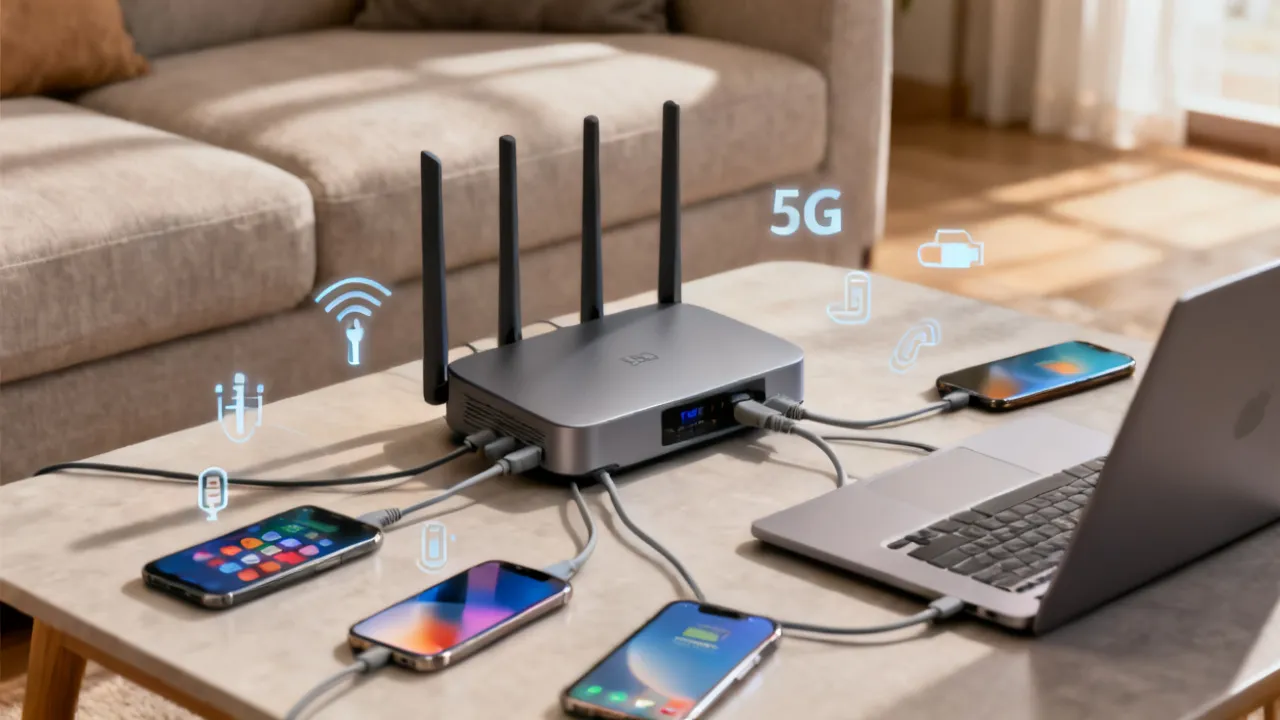
Top ISP Options: Compare Prices and Speeds
This guide helps you compare Xfinity Internet, AT&T Fiber, Spectrum Internet, T-Mobile 5G Home Internet, Astound Broadband, and Verizon Fios so you can choose an internet plan that fits your household needs and budget. It also outlines practical steps to cut monthly costs, explains how to evaluate speed, equipment fees, and promotions, and provides an objective international price-range overview for better planning.

Comparing Top Internet Providers
This guide offers insights into selecting the top Internet service providers by evaluating packages, prices, and extras. Companies like Xfinity, AT&T Fiber, Spectrum, T-Mobile 5G, Astound Broadband, and Verizon Fios offer varied plans catering to different needs. Rs Sul Telecom emerges as a significant player in this domain, emphasizing the growing competition and diverse offerings in the telecommunication sector.

Navigating Internet Service Providers
This guide delves into the intricacies of selecting the right Internet service provider. Linnet Telecom is a rising entity in this domain, offering diverse connectivity solutions. The article compares various providers, highlighting plans, pricing, and key features, and offers insights for cost-effective internet access. Additionally, it examines regional price variations and provider-specific nuances.

Navigating Affordable Internet Plans
Discover optimal solutions for cheap wifi as we explore various internet service providers offering competitive pricing and unique features. Access to affordable wifi is crucial in today's digital world, where connectivity options vary widely. This guide provides insights on accessing reliable internet services without breaking the bank, highlighting key plans that cater to budget-conscious consumers.

Understanding Rs Sul Telecom's Role in Internet Provision
This guide delves into Rs Sul Telecom's role in the burgeoning internet sector. As a significant entity in telecommunications, Rs Sul Telecom provides diverse services contributing to global connectivity. The company offers innovative solutions and competitive pricing, ensuring consumers have access to valuable internet services. An in-depth look at various internet plans worldwide supplements this analysis.

Exploring Internet Service Options
This guide offers an in-depth analysis of various internet service providers (ISPs) and their respective offerings, emphasizing the importance of choosing the right plan for your needs. With Minas Net as a pivotal entity, the article delves into the intricacies of internet connectivity, analyzing major providers like Xfinity, AT&T Fiber, and Spectrum, among others, to help individuals and businesses make informed decisions.